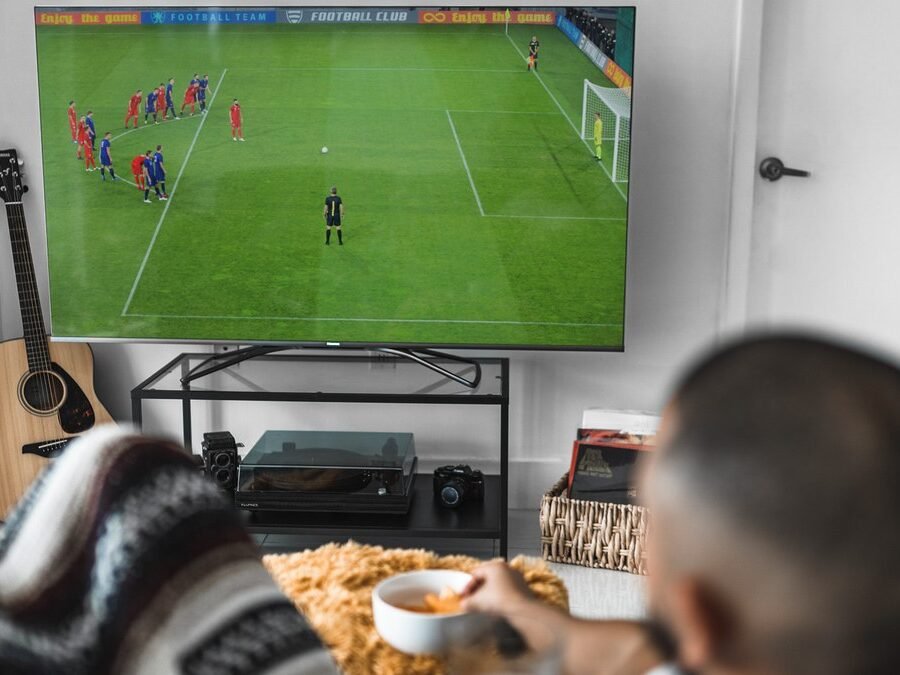
You’re a sports fan, you cut cable to save money, and now the big game is on and you’re scrambling. If you’re asking how can I watch live sports without cable, you’re dealing with the most fragmented, frustrating corner of the streaming world — broadcast rights are split across a dozen services, blackout rules are Byzantine, and the “cheap” options add up fast. But I’ve navigated this maze for years as a cord-cutting sports fan, and there are clear paths through it depending on which sports you follow.
First, the honest truth: watching every game of every sport without cable costs almost as much as cable did. The savings come from being strategic — paying for the sports you actually watch instead of the 200-channel bundle. A focused sports fan can absolutely watch their teams for $30–60/month. The completist who wants everything will pay cable prices. Know which one you are.
How Can I Watch Live Sports Without Cable? Start With Free Options
Before spending a dime, grab what you can get free. A digital antenna ($25–40 one-time) pulls in local broadcast networks — ABC, CBS, NBC, Fox — in full HD, often better quality than cable provided. This covers NFL Sunday games, the World Series, the NBA Finals, March Madness (CBS/TBS split — antenna gets the CBS games), the Olympics, and tons of college football and basketball. I was shocked how much sports I watched the month I tested antenna-only; for casual fans, it might be enough.
Many leagues offer free streaming for select content: the NFL streams local games free on mobile via the NFL app, MLB offers a free game daily, and most leagues have free highlights, condensed games, and analysis shows. It’s not full access, but it supplements everything below. Also check free ad-supported services — services like Tubi, Pluto TV, and The Roku Channel increasingly carry live sports, including some NFL games and international soccer.
The Sport-by-Sport Breakdown
NFL
Football is the easiest major sport to watch without cable. Between the antenna (Sunday afternoon games, Sunday Night Football on NBC, Monday Night Football on ABC/ESPN simulcasts), NFL+ ($6.99/month — live local and primetime games on mobile, plus NFL Network), and Amazon’s Thursday Night Football (free with Prime), most fans can see nearly every game that matters. YouTube TV or similar is only needed if you want NFL RedZone or out-of-market Sunday games (that’s what Sunday Ticket is for — now on YouTube, pricey but comprehensive).
NBA
League Pass ($14.99/month or $99/season) covers out-of-market games, but national games are on ESPN, TNT, and ABC — meaning you need a live TV streamer or antenna-plus-ESPN combo for those. The blackout rules are the real annoyance: your local team’s games are blacked out on League Pass, forcing you toward a regional sports network. For most fans, a live TV streaming service during basketball season is the simplest solution.
MLB
MLB.TV ($24.99/month or $149/season) is the best value in sports streaming — nearly every out-of-market game, excellent app, radio feeds included. Same blackout frustration for local teams, though. National games (ESPN Sunday Night, Fox Saturdays, TBS) need antenna or a live streamer. Baseball’s long season makes the full-season package genuinely economical per game.
NHL, Soccer, and everything else
ESPN+ ($10.99/month) is a stealth sports powerhouse: NHL (hundreds of games), international soccer (La Liga, Bundesliga, FA Cup), UFC Fight Nights, college sports, and more. For soccer specifically, add Peacock (Premier League), Paramount+ (Champions League, Serie A), or Apple TV’s MLS Season Pass. College sports fans should check conference networks — many are on ESPN+ now.
Live TV Streaming Services: The Cable Replacements
If you want the full cable-sports experience (ESPN, regional sports networks, TNT, NFL Network), a live TV streamer is the answer — at cable-like prices. YouTube TV ($72.99/month) is the gold standard: comprehensive sports coverage, unlimited DVR, clean interface. Hulu + Live TV ($76.99/month) bundles ESPN+ and Disney+. Fubo ($74.99/month) leans into sports with beIN Sports and international coverage. Sling TV ($40/month) is the budget option — fewer channels, but ESPN and TNT in the base package.
The math matters: YouTube TV at $73/month year-round is $876/year — real money. But subscribe only during your sport’s season (September–February for NFL/NBA/NHL fans), and it’s ~$440 for six months of everything. Seasonal subscribing is the cord-cutter’s superpower. I run YouTube TV from September through March, then drop to antenna + ESPN+ for the summer. My annual sports spending is under $600 for comprehensive coverage.
Beating blackouts (legally and practically)
Blackout rules exist to protect local broadcast deals, and they’re the top complaint of streaming sports fans. Legal workarounds: watch on the channel that holds local rights (often available via antenna or a cheaper service), attend a sports bar for blacked-out games (the original streaming workaround), or use the league’s radio broadcast (often free and genuinely enjoyable — baseball on radio is a delight). I’ll note that VPNs are widely discussed for this purpose, but using them to evade blackouts violates most services’ terms.
Make game day better with tips for more fun at-home sports watching and streaming services worth paying for. For how broadcast rights shape what you can watch, the Wikipedia overview of US sports broadcasting contracts is eye-opening.
One more approach that deserves mention: the sports bar strategy. For big games you’d otherwise need an expensive package to watch, a $20 food-and-drink tab at a local sports bar buys you every game on every screen, surrounded by fellow fans. Over a season, replacing even half your at-home big-game viewing with sports bar trips can save hundreds compared to premium packages — and the atmosphere beats your living room. I know fans who watch the entire NFL season this way: antenna at home for local games, sports bar for everything else. Their total annual sports spending is under $300, and they insist the communal experience is the real upgrade.
So how can you watch live sports without cable? Start with a $30 antenna for broadcast games, add league-specific streaming (MLB.TV, NFL+, ESPN+) for your main sports, and use a live TV streamer seasonally if you need ESPN and regional networks. Total cost for a focused fan: $30–60/month during the season, near zero in the offseason. The cable bundle is dead; long live the strategic subscription.