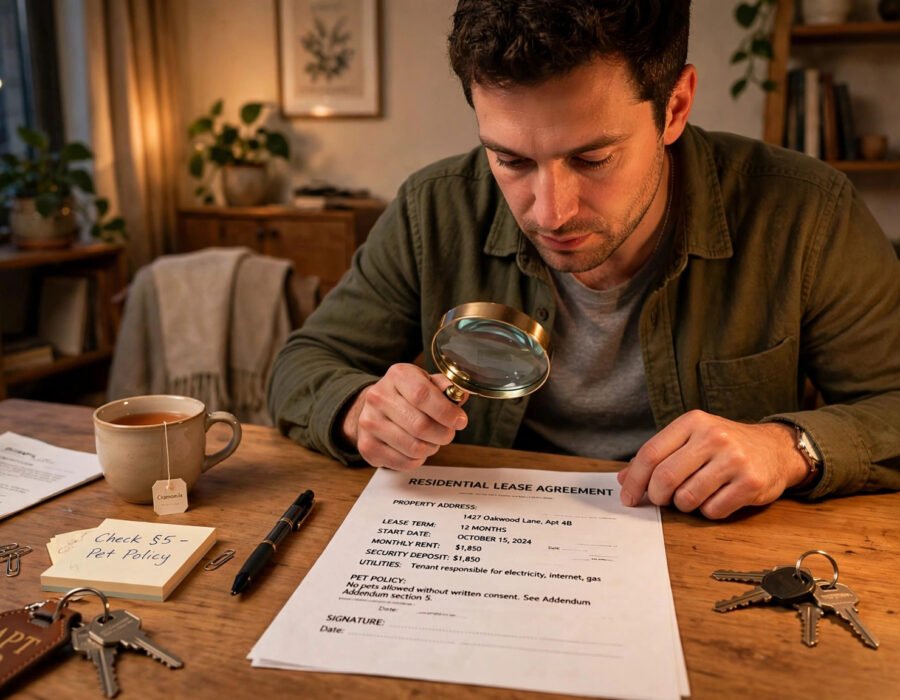
In Texas, a bad landlord isn’t just an annoyance — the state’s famously landlord-friendly laws mean a shady property manager has more room to make your life miserable than in almost any other state. And once you’ve signed that lease, you’re locked in for twelve months of “we’ll get to it” maintenance requests and surprise fees. The good news: bad landlords leak warning signs everywhere before you sign. This guide shows Texas renters exactly what to check, what to ask, and when to walk away — before the pen hits the paper.
Why Spotting a Bad Landlord Matters More in Texas
Texas law gives landlords significant advantages: no state-mandated cap on security deposits, no required interest on them, relatively fast eviction timelines, and broad latitude on lease terms. That doesn’t mean landlords can do anything — HUD’s tenant resources and the Texas Property Code still protect renters on habitability, security deposits, and retaliation — but it does mean the lease you sign carries extra weight. A fair landlord with a clear lease is fine. A bad landlord with a Texas-legal lease is a year of your life you don’t get back.
Red Flag #1: They Won’t Put Things in Writing
The single most reliable predictor of a bad landlord is verbal-only dealing. “Don’t worry, we’ll fix the AC before you move in.” “Yeah, pets are fine.” “We never raise rent mid-lease.” If it matters to you and it’s not in the lease, it doesn’t exist.
A good landlord hands you a written lease and answers questions patiently. A bad one rushes you, says “it’s all standard,” or gets irritated when you read the document. Read every page. In Texas, leases commonly run 10–20 pages, and the devil lives in the addenda: pet policies, maintenance responsibilities, early-termination penalties, and automatic renewal clauses.
Red Flag #2: The Property Tells the Truth
Tour the actual unit — not the model, the actual unit. Then look for what landlords can’t easily fake:
- Deferred maintenance everywhere. Peeling paint, stained ceilings, wobbly fixtures, and a “we’ll fix that” list longer than your arm. If the unit looks rough when they’re trying to impress you, imagine month eight.
- No deadbolts or working smoke detectors. Texas law requires specific security devices and smoke alarms. Their absence isn’t cosmetic — it’s a legal violation and a character tell.
- Water damage or mold. Check under sinks, around windows, and in bathroom corners. Texas humidity makes mold a recurring issue, and landlords who ignore it now will ignore your requests later.
- The common areas. Trash overflowing, broken gates, burned-out hallway lights — these show how the landlord treats the property when nobody’s watching.
If you’re comparing rentals to buying, our guide on increasing your home’s value before selling shows the maintenance standards a responsible property owner actually keeps — use it as your benchmark for what “cared for” looks like.
Red Flag #3: Evasive Answers to Direct Questions
Before signing, ask these five questions and watch the reaction as much as the answer:
- Who handles maintenance requests, and what’s the typical response time?
- What’s the process for emergency repairs — burst pipe at 2 AM?
- Have there been pest treatments in the last year? How often?
- What fees exist beyond rent — and which are refundable?
- Under what conditions can you enter my unit, and how much notice do you give?
Good landlords answer directly, often with specifics (“our maintenance team responds within 48 hours; emergencies go to this number”). Bad landlords get vague, defensive, or annoyed. Texas law requires at least 24 hours’ notice before entry except in emergencies — a landlord who bristles at the question is telling you about month six. Neighbor dynamics matter too — handling difficult neighbors politely is much easier when your landlord isn’t part of the problem.
Red Flag #4: The Paper Trail Is Dirty
Do ten minutes of homework before you commit:
- Search the landlord or management company online. Google the name plus “reviews,” “complaints,” and “lawsuit.” Check the Better Business Bureau and local tenant forums. One angry review is noise; a pattern is data.
- Check court records. Many Texas counties have free online justice-of-the-peace court searches. A landlord who files evictions constantly — or has been sued by tenants repeatedly — is showing you their business model.
- Ask current tenants. Knock on a neighbor’s door or catch someone in the parking lot. “How’s maintenance here?” gets honest answers that no tour ever will. Tenants have zero incentive to lie to you.
- Verify ownership. County appraisal district websites show who owns the property. If the “landlord” can’t prove they have the right to lease it, walk away immediately.
Red Flag #5: The Lease Itself Is a Weapon
Texas leases can legally include terms that would be void in other states, so read with suspicion. Watch for:
- Waivers of your rights. Tenants can’t legally waive certain Texas Property Code protections, but bad landlords include the waivers anyway, betting you won’t know.
- Extreme late fees or “convenience” fees. Fees for paying rent online, fees for paying by check, fees for the privilege of being charged fees. Compare against the Consumer Financial Protection Bureau’s renter resources on what’s normal.
- Automatic lease renewal with short opt-out windows. A clause that renews your lease unless you give 90 days’ notice — delivered by certified mail to an address they rarely check — is a trap, not a policy.
- Vague maintenance language. “Tenant responsible for all repairs under $200” can turn every service call into your bill. Push for specifics.
When to Walk Away
Walk away when you see any combination of: refusal to put promises in writing, a unit in visibly poor condition, evasive answers about maintenance, a dirty legal record, or a lease full of traps. There is always another apartment. There is never another year of your life. Texas’s rental market in 2026 remains competitive in Austin and Dallas but softer in Houston and San Antonio — use that leverage, and never let urgency override evidence. A landlord rushing you to sign today is giving you the most honest signal of all.
Conclusion
Spotting a bad landlord before signing a lease in Texas comes down to five checks: demand everything in writing, read what the property itself tells you, ask direct questions and watch the reactions, research the paper trail, and read the lease like the legal weapon it can be. Texas law gives landlords room to operate — which makes your pre-signing diligence the single most important tenant protection you have. Do the homework, trust the red flags, and remember that the best lease negotiation is the one where you walk away from the wrong landlord.
Frequently Asked Questions
What rights do Texas tenants have against bad landlords?
Texas tenants have rights to habitable living conditions, working locks and smoke detectors, timely return of security deposits (within 30 days of move-out), protection against retaliation for complaints, and at least 24 hours’ notice before landlord entry. The Texas Property Code, Chapter 92, covers most of these protections.
Can a Texas landlord enter my apartment without notice?
Except in genuine emergencies, landlords must give at least 24 hours’ notice before entering. A lease can specify the notice method, but it can’t eliminate the requirement entirely. Frequent unannounced entries are a serious red flag.
How do I check if a Texas landlord has been sued?
Search your county’s justice-of-the-peace or county court records online — most Texas counties offer free case searches. Also Google the landlord or management company name with “lawsuit,” “eviction,” and “complaints,” and check BBB ratings.
Is it normal for Texas leases to be very long?
Yes — 10 to 20 pages with multiple addenda is normal in Texas. Length itself isn’t a red flag, but it means you must read everything, especially addenda on pets, maintenance, fees, and early termination. Never sign a lease you haven’t fully read.
What should I do if I already signed with a bad landlord?
Document everything in writing from day one — maintenance requests, conversations, photos of conditions. Texas tenants can sometimes break a lease legally for unaddressed habitability issues, but the process is specific. Contact a local tenant rights organization or legal aid before acting.