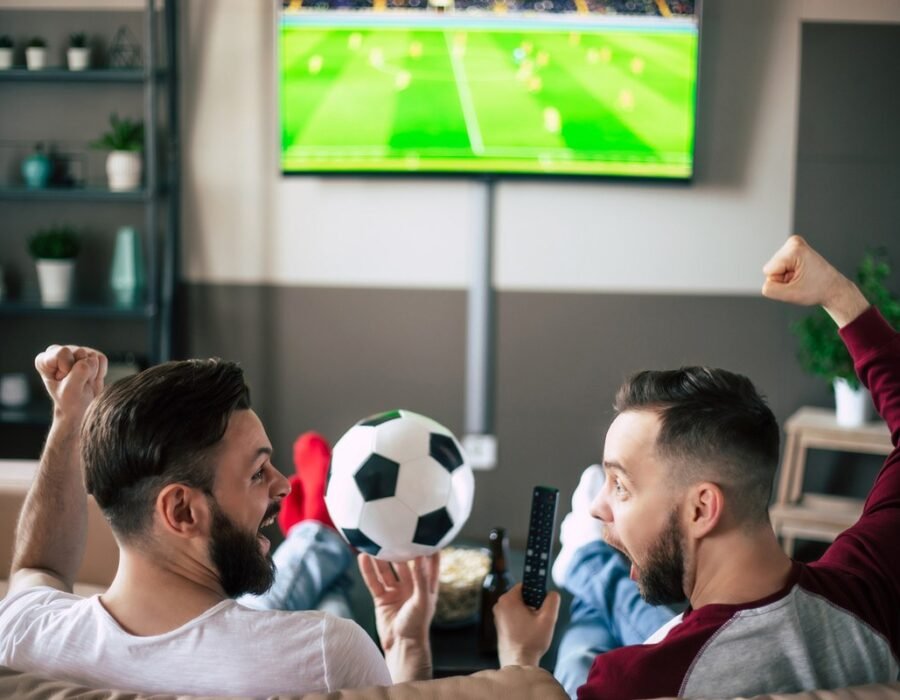
Watching the big game alone on your couch, scrolling your phone during commercial breaks, is fine. But it could be so much better. If you’re asking how can I make watching sports more fun at home, you’re ready to transform passive viewing into an event — the kind of game day that friends talk about and traditions are built on. I’ve hosted everything from intimate playoff watch parties to full Super Bowl productions, and the difference between “watching the game” and “an unforgettable game day” is entirely in the details. Here’s the complete playbook.
The core principle: engagement beats production value. You don’t need a $5,000 TV or catered food. You need reasons for everyone to care about what’s happening on screen, good food at the right moments, and an atmosphere that says “this matters.” A passionate group around a decent TV beats a bored group around a spectacular one every time.
How Can I Make Watching Sports More Fun at Home? Get People Invested
Prop bets and prediction games (the engagement engine)
The single best thing you can do for any group viewing: give everyone a stake in the outcome. You don’t need to gamble real money — prop bets work with pride, snacks, or silly prizes on the line. Before kickoff, have everyone predict: final score, first team to score, total touchdowns, longest play, MVP. Write predictions down (a whiteboard is perfect). Suddenly, a meaningless third-quarter field goal has the whole room screaming — because someone predicted it.
For the Super Bowl specifically, the classic prop-bet sheet (coin toss, first commercial, anthem length, Gatorade color) turns even non-fans into engaged viewers. Squares (the 10×10 grid where you win based on the last digit of each quarter’s score) is the gold standard — $1–5 per square, random assignment, everyone has a chance regardless of football knowledge. I’ve seen people who “don’t care about sports” become the most intense squares players in the room.
Fantasy and pick’em leagues
Season-long investment transforms every game: a fantasy football league with friends makes you care about 2 PM games you’d otherwise ignore (you need your running back to get 15 points). Weekly pick’em pools (pick the winners, most correct wins) are lower-commitment and work for any sport. Survivor pools (pick one winner per week, can’t repeat teams) create season-long tension from a single weekly decision. These cost nothing to run (free platforms: ESPN, Yahoo, Sleeper) and generate months of group-chat trash talk.
The Food: Game Day Fuel Strategy
Game day food has its own cuisine — hearty, shareable, eat-with-one-eye-on-the-TV fare. The classics exist for a reason:
- Wings: the undisputed king. Bake at 425°F on a wire rack for crispy skin without frying, toss in sauce. Make two flavors minimum (buffalo + one wild card).
- The dip spread: queso, guacamole (keep it green with proper anti-browning technique), seven-layer dip, spinach-artichoke. Dips are the ideal game food — communal, customizable, endlessly snackable.
- Sliders: mini burgers, pulled pork, or meatball subs — full sandwiches are awkward; sliders are perfect.
- Chili: feeds a crowd cheaply, stays warm in a slow cooker all game, doubles as a topping for nachos and hot dogs. One-pot chili is the move.
- Nacho bar: sheet-pan nachos with toppings on the side — lets everyone build their own, accommodates dietary needs.
Timing matters: have substantial food ready before kickoff (hungry guests are cranky guests), keep snacks replenished at halftime (the natural break), and save something special for the fourth quarter (dessert, the good dip — it keeps energy up for the finish). For big events, potluck strategy distributes the work.
The Setup and Atmosphere
The viewing setup: biggest screen available, soundbar or speakers on (crowd noise is half the atmosphere — budget home theater tips apply), seating arranged so everyone sees comfortably. Second-screen wisely: have the stats/gamecast up on a tablet for the nerds, but keep phones otherwise pocketed — the game deserves attention, and the prop bets need witnesses.
Decorations for big games: team colors in tablecloths and balloons ($10 at a party store), a printed bracket or prop sheet for everyone, jerseys encouraged. It feels silly until everyone’s wearing colors and the room looks like a fan cave — then it feels electric. For rivalry games and championships, decorations transform the energy.
Manage the mixed-fandom room. Guests rooting for different teams? That’s better — rivalry is entertainment. Set ground rules (good-natured trash talk only, no sore losers), seat rival fans together (proximity breeds fun), and have a neutral activity for anyone who doesn’t care about the game (the prop bets and food keep them engaged). The only bad guest is the one on their phone ignoring everyone.
Kids and non-fans
Don’t force it — give them roles. Kids love: being in charge of the snack table, tracking prop bets on the whiteboard, the halftime show (for the Super Bowl, many kids care more about this than the game), and commercial-rating ballots. Non-fan adults: prop bets, food, the social scene. A good host makes sure everyone has something to enjoy, even if it’s not the sport itself.
Traditions and Rivalry Rituals
The best game days become traditions — and traditions are just repeated details. The annual Super Bowl party at the same house. The specific dip someone always brings. The trophy for the fantasy league winner (make it ridiculous — a golden toilet, a bedazzled football). The pre-game playlist. The victory dance. These small rituals compound over years into the kind of friendships people write about. Start yours this season: pick one game, invite the crew, do it right, and repeat.
For the full sports setup, see watching sports without cable. For the business of sports media, the Wikipedia overview of broadcasting contracts explains what you’re watching.
So how can you make watching sports more fun at home? Give everyone a stake (prop bets, squares, fantasy leagues), feed them strategically (food before kickoff, halftime replenishment, fourth-quarter dessert), set the scene (big screen, sound on, team colors), include the non-fans (roles, bets, food), and build traditions that repeat. The game is the excuse — the people, the food, and the shared screaming at the TV are the point. Do it right, and game day becomes the best day of the week.