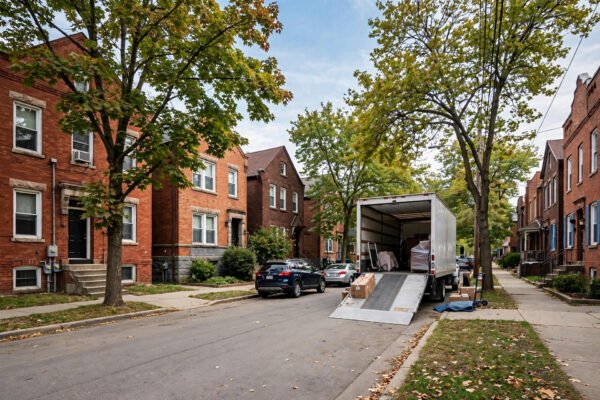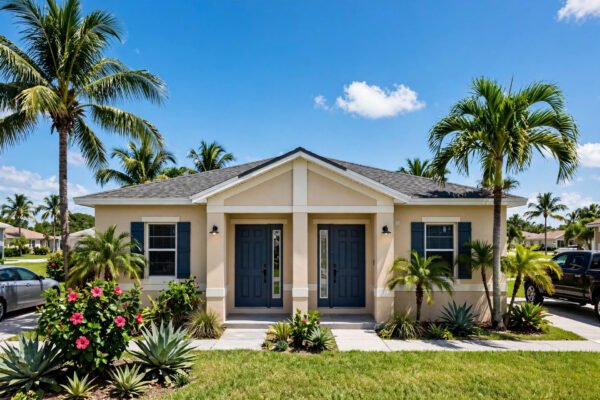
In most of America, 'condo vs. co-op' is a trivia question — co-ops barely exist outside a few metro areas. But in New York City, where co-ops dominate the housing stock, misunderstanding the difference is a five- or six-figure mistake. The two look identical from the sidewalk; legally and financially, they are different species.
This guide explains the ownership structures, the real cost differences, board approval realities, financing quirks, and a decision framework for choosing between them — whether you are buying in Manhattan or just want to understand the concept.
Ownership: What You Actually Own
In a condominium, you own your unit outright — real property, with a deed — plus a shared interest in common areas. You can think of it as owning an apartment the way you own a house: the airspace is yours. In a cooperative, you do not own real estate at all. You own shares in a corporation that owns the building, and those shares come with a proprietary lease giving you the right to occupy a specific unit. You are a shareholder-tenant, not a homeowner in the traditional sense.
This distinction drives everything else. Condo ownership is simple, transferable, and familiar to every lender and title company in America. Co-op ownership is a corporate arrangement: the building's corporation holds the underlying mortgage, pays the property taxes (billed back to you via maintenance), and sets the rules — including who gets to buy in. Same hallway, same doorman, utterly different legal reality.
Costs: Purchase Price, Monthly Charges, Taxes
Co-ops typically sell for 10–30% less than comparable condos — the discount compensates for their restrictions and hassle. But monthly costs flip the comparison: co-op 'maintenance' charges bundle the building's underlying mortgage payment, property taxes, operating costs, and reserves into one bill, often $2,000–$4,000+ in Manhattan. Condo common charges cover only operations and reserves, with property taxes billed separately to you.
The tax picture differs accordingly: co-op shareholders can generally deduct their proportionate share of the building's mortgage interest and property taxes (consult a tax advisor — building financials determine the deductible portion), while condo owners deduct their own mortgage interest and tax bill directly. Total monthly outlay is what matters for your budget: model mortgage + maintenance + taxes for co-ops versus mortgage + common charges + taxes for condos, on the specific buildings you are considering.
You can verify the details at National Association of Realtors.
Boards: The Co-Op Gauntlet
Co-op boards approve or reject buyers — a power condo boards generally lack (condos typically have only a right of first refusal, rarely exercised). The co-op purchase application, the infamous 'board package,' demands financial disclosure that feels invasive: tax returns, bank statements, employment letters, personal and business references, and a detailed financial statement. Then comes the board interview, where you present yourself in person.
Boards evaluate financial strength (common benchmarks: 20–25% down minimum, two years of maintenance and mortgage in liquid reserves post-closing, debt-to-income ratios around 25–30%), and they can reject without giving reasons — a practice that has drawn fair-housing scrutiny. Timeline: 4–12 weeks from application to approval is normal. Condos skip nearly all of this. If your finances are complex (self-employment, foreign income, all-cash from crypto), condos are dramatically simpler — co-op boards distrust what they cannot verify in familiar forms.
Financing, Resale, and Flexibility
Financing differs: co-op loans are technically share loans, not mortgages, offered by fewer lenders at sometimes slightly higher rates; condos use standard mortgages with full lender competition. Down payment norms diverge too — many co-ops require 20–50% down and some demand all-cash, while condos follow standard mortgage minimums. Investors note: co-ops heavily restrict subletting (often 1–2 years maximum, sometimes none) and pied-à-terre use; condos are generally far more rental-friendly.
Renovation rules follow the same pattern: co-op alteration agreements are strict and slow; condo renovations need board notification but face fewer vetoes. Resale: your co-op sale needs board approval of your buyer, adding weeks and uncertainty to every future transaction; condo resales proceed like any real estate sale. The pattern is consistent — co-ops trade flexibility and simplicity for lower purchase prices, while condos charge a premium for freedom.
Which Should You Buy? The Decision Framework
Choose a co-op when: you are buying a primary residence to hold long-term, your finances are clean and documentable, you value the lower purchase price, and you do not need rental flexibility. The co-op discount is real money — on a $800,000 comparable, 20% off is $160,000 — and for stable owner-occupants, the board hassle is a one-time tax for permanent savings.
Choose a condo when: you might rent the unit out, your finances are non-traditional, you value renovation freedom and easy resale, or you simply cannot stomach the board process. Outside New York, the question usually answers itself — co-ops are rare, and condos are the default. Wherever you buy, compare specific buildings, not categories: a well-run co-op beats a dysfunctional condo, and the building's financials (reserves, underlying mortgage, litigation) matter more than the ownership label.
The full background is available at U.S. Dept. of Housing and Urban Development.
Special Assessments: The Hidden Cost Bomb
The condo/co-op cost buyers underestimate most: special assessments — one-time charges for major repairs like roof replacement, facade work, or elevator modernization, ranging from thousands to tens of thousands per unit. Before buying any condo or co-op, ask for the reserve study, recent engineering reports, and the last five years of assessment history. Underfunded reserves plus an aging building equals future assessments with near certainty.
New York buyers should scrutinize Local Law 11 facade inspection cycles (major work follows on predictable schedules) and, for co-ops, the underlying mortgage maturity — refinancing a building mortgage can spike maintenance. Ask the managing agent directly: 'Are any assessments planned or discussed?' Get the answer alongside the financials, not after closing. A cheap purchase price with a 40,000-dollar assessment looming is not cheap.
For official guidance, see Investopedia.
Want to go deeper? Check out making a small apartment feel bigger and budgeting your monthly expenses next.
Condos give you deeded ownership, simpler financing, renovation freedom, and easy resale at a price premium; co-ops give you shares plus a proprietary lease, lower purchase prices, and a board approval gauntlet with strict financial and sublet rules. Neither is universally better — co-ops reward stable, documentable owner-occupants with real discounts, while condos suit investors, the self-employed, and anyone who values flexibility. Compare total monthly costs on specific buildings, scrutinize the building's financials, and choose the structure that fits your life, not just your budget.
Frequently Asked Questions
Is a co-op cheaper than a condo?
Purchase prices are typically 10–30% lower for comparable co-ops, but monthly maintenance often runs higher since it bundles the building's underlying mortgage and taxes. Compare total monthly outlay on specific buildings, not just sticker prices.
Can a co-op board reject my purchase?
Yes. Co-op boards approve or reject buyers based on financial review and an interview, and can decline without stating reasons. Condo boards generally cannot reject buyers — they typically hold only a rarely-used right of first refusal.
Can I rent out a co-op apartment?
Usually with heavy restrictions — many co-ops limit subletting to 1–2 years total or prohibit it, and some ban pied-à-terre use. Condos are far more rental-friendly. Check the specific building's policy before buying as an investor.
Do I need a bigger down payment for a co-op?
Often yes. Many co-ops require 20–50% down (some require all cash), versus standard mortgage minimums for condos. Co-op financing also uses specialized share loans from fewer lenders.