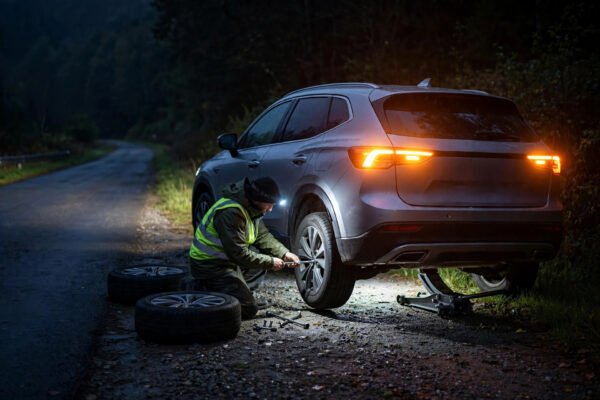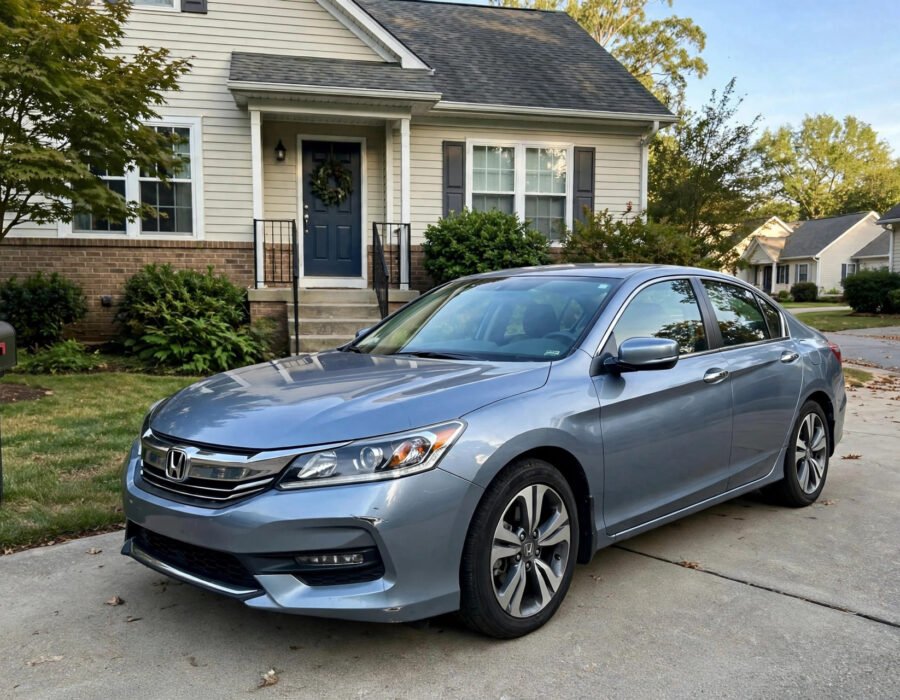
Eight thousand dollars is the sweet spot of the used-car market — enough to escape the true beaters, not enough for anything shiny. For American families needing dependable transportation without a car payment, the question is whether this price point buys reliability or just cheaper problems. The answer: it buys reliability, but only if you shop like an investigator, not a bargain hunter.
Here is what 8,000 dollars actually gets in today's market, the models with the best track records, the inspection process that separates gems from money pits, and the total-cost math families must run before buying.
What $8,000 Buys in Today's Market
At this price, you are shopping roughly 8 to 14-year-old vehicles with 80,000 to 150,000 miles — the depreciation sweet spot where cars have lost 60 to 80 percent of their value but retain most of their useful life. The reliable end of this market: well-maintained Toyota Corollas, Honda Civics, Mazda3s, Toyota Camrys, Honda CR-Vs, and similar reputation-backed models. The dangerous end: cheap European luxury cars, high-mileage complex SUVs, and anything with a salvage title.
Market reality check: post-2021 used-car price inflation has eased but not vanished, so 8,000 dollars buys slightly less car than it did in 2019. Private-party sellers typically price 10 to 20 percent below dealers for comparable cars — worth the extra diligence. And budget the full 8,000 as purchase-plus-immediate-needs, not purchase alone: plan 500 to 1,000 dollars for immediate maintenance (tires, brakes, fluids) on any used car, because even good ones need catch-up care.
The Most Reliable Models Under $8,000
The short list, backed by Consumer Reports reliability data and long-term owner surveys: Toyota Corolla (2009–2016), Honda Civic (2009–2015), Mazda3 (2010–2016), Toyota Camry (2009–2014), Honda Accord (2009–2014), Honda CR-V (2009–2014), Toyota RAV4 (2009–2013), and the often-overlooked Pontiac Vibe/Toyota Matrix twins (Toyota mechanicals, bargain prices). These share traits: simple proven drivetrains, huge parts availability, and any-mechanic-can-fix-it simplicity.
Models to avoid at this price: German luxury cars (repair costs exceed the car's value quickly), Nissan vehicles with CVT transmissions from the problematic years, Chrysler/Dodge products with spotty records, and any car with undisclosed accident history. For families specifically: prioritize crash-test ratings (IIHS Top Safety Pick history), rear-seat space for car seats, and cargo capacity — a reliable car your family cannot fit in is not reliable transportation.
The full background is available at Consumer Reports.
The Inspection Process That Prevents Lemons
Never buy without a pre-purchase inspection by an independent mechanic — 100 to 200 dollars that saves thousands. This is non-negotiable at this price point, where hidden problems are common. The inspection should cover: frame and accident damage, engine compression and leaks, transmission behavior, suspension, brakes, tires, electrical systems, and rust (critical in salt-belt states).
Your own checks before paying for the inspection: vehicle history report (accidents, title issues, odometer rollbacks — 25 to 40 dollars), cold-start the engine (problems hide when warm), drive at highway speed (vibrations, pulling, transmission slipping), check every electronic feature, look under the oil cap for milky residue (head gasket warning), and inspect for mismatched paint panels. Walk away from: salvage titles, flood history, sellers who refuse inspections, and deals that feel rushed. There is always another Corolla.
Total Cost: Beyond the Sticker Price
Families must budget the real first-year cost. Purchase: up to 8,000. Immediate maintenance: 500 to 1,000. Insurance: older cars allow liability-only coverage, often 50 to 100 dollars monthly versus 150-plus for financed new cars requiring full coverage — this insurance saving alone can exceed 1,000 dollars yearly. Registration and taxes: a few hundred. Contingency fund: keep 1,000 dollars reserved, because an 8,000 dollar car will eventually need something.
Compare honestly against alternatives: a 25,000 dollar new-ish car financed costs roughly 5,000 to 6,000 dollars yearly in payments plus higher insurance — over five years, the 8,000 dollar car's total cost is often half. The tradeoff is convenience risk: older cars need more attention and can strand you. For families with a second vehicle or flexible schedules, the math strongly favors the cheap reliable car; for single-car families with zero flexibility, the reliability premium of a newer car may justify itself.
Negotiating and Closing the Deal
Negotiate with data: check KBB and Edmunds values for the exact trim, mileage, and condition — private sellers often price on sentiment. Use inspection findings as leverage: every needed repair is a documented discount argument. Cash (cashier's check) gives negotiating power with private sellers who value certainty. Typical negotiation room: 5 to 15 percent off asking on private sales.
Paperwork diligence: verify the title is clean and in the seller's name, confirm no liens, complete a bill of sale with VIN, mileage, and as-is terms, and handle title transfer at the DMV promptly. Never pay cash without a paper trail; never buy from someone who 'lost the title' but promises to sort it later. Meet at the seller's home (verifies identity and address) or a public place with the mechanic nearby. The deal is done when the title is in your name — everything before that is negotiation.
For official guidance, see Edmunds.
Insurance Savings With Older Cars
The hidden financial win of an 8,000-dollar car is insurance flexibility. Without a lender requiring full coverage, most families can carry liability plus uninsured-motorist coverage only — often 50 to 100 dollars monthly versus 150 to 250 for financed vehicles. Over five years, that gap alone can exceed 6,000 dollars in savings.
Shop quotes before buying: rates vary enormously by model, and some cheap cars are surprisingly expensive to insure. Raise deductibles if you carry comprehensive, maintain continuous coverage for loyalty discounts, and ask about low-mileage or defensive-driver discounts. Get three quotes minimum — the spread between insurers for the same older car is routinely 40 percent or more.
Learn more from Kelley Blue Book.
For more on this topic, see renting a car for a week and budgeting your monthly expenses.
Buying a reliable used car under 8,000 dollars is worth it for American families who shop with discipline: target proven models like Corollas, Civics, and CR-Vs; get an independent pre-purchase inspection every time; budget 500 to 1,000 dollars for immediate maintenance; and carry liability-only insurance for major yearly savings. The 8,000 dollar reliable car is not a compromise — it is one of the highest-value purchases a family can make, freeing thousands yearly versus financed alternatives. The only losing move is rushing: patience and inspection are what separate the gem from the money pit.
Frequently Asked Questions
What is the most reliable used car under $8000?
Toyota Corolla and Honda Civic (roughly 2009–2016) top most reliability lists at this price, with the Mazda3, Toyota Camry, and Honda CR-V close behind. Prioritize documented maintenance history over low mileage alone.
Should I get a pre-purchase inspection?
Always. A 100 to 200 dollar independent inspection is the single best money spent in used-car buying — it routinely uncovers frame damage, engine issues, or flood history that vehicle history reports miss.
How many miles is too many for a used car?
For proven reliable models, 120,000 to 150,000 miles with good maintenance history is fine — these cars routinely reach 200,000-plus miles. Maintenance records matter more than the odometer reading.
Is it better to buy from a dealer or private seller?
Private sellers typically price 10 to 20 percent lower, but dealers offer more recourse and sometimes warranties. Either way, get the independent inspection — the seller type matters less than the car's actual condition.