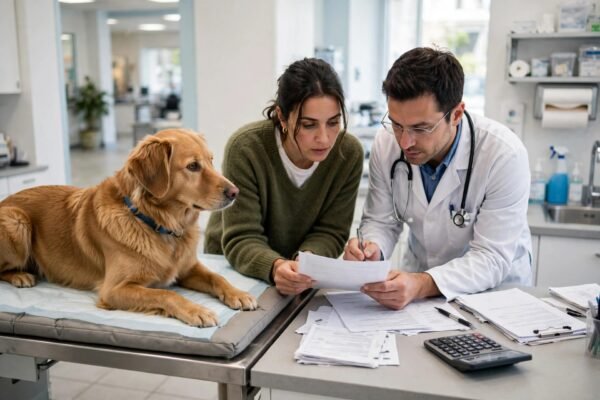
In Texas, fireworks are not a once-a-year event — they are a season. Between July 4th, New Year's, local celebrations, and the year-round availability of fireworks in unincorporated areas, Texas pets face repeated noise terror. The question of 'how often' to help has a clear answer: not just on fireworks night, but in a year-round program that makes each event progressively less terrifying.
This guide covers the desensitization schedule that actually works, the July 4th battle plan, veterinary options for severe cases, and the Texas-specific legal landscape every pet owner should know.
Understanding Fireworks Anxiety: What Is Happening
Fireworks trigger a genuine panic response, not misbehavior. Dogs hear frequencies up to 65,000 Hz (humans top out around 20,000), so explosions are physically louder and more disorienting; the unpredictable flashes add visual startle. Signs range from panting, pacing, and hiding to destructive escape attempts — and July 4th is consistently the peak day for lost pets at Texas shelters, as panicked dogs bolt through fences and doors.
Cats typically freeze or hide rather than flee, but their stress is equally real — suppressed appetite, over-grooming, and litter box avoidance after fireworks nights are common. The critical insight: anxiety worsens with repeated unmitigated exposure. Each terrifying fireworks night without intervention makes the next one worse, because the brain strengthens the fear association. This is why 'how often' matters — intervention must be consistent and proactive, not a once-a-year scramble.
The Year-Round Desensitization Program
Desensitization plus counter-conditioning is the evidence-based core: expose the pet to recorded fireworks sounds at very low volume while pairing them with high-value treats and play, gradually increasing volume over weeks. Start 2 to 3 months before fireworks season. Sessions: 5 to 10 minutes, 3 to 4 times weekly. The rule: the pet must stay relaxed — if stress signs appear, the volume is too high; back down.
Free resources: YouTube and Spotify have graduated fireworks desensitization tracks. Pair the program with a 'safe space' — a crate or interior room the pet chooses voluntarily, never forced — furnished with familiar bedding. Practice going to the safe space with treats year-round so it is a comfort habit, not a panic novelty. Pets that complete a full desensitization cycle typically show markedly reduced reactions; it is the closest thing to a cure, and it costs nothing but consistency.
For the authoritative take, visit ASPCA.
The Event-Night Battle Plan
On fireworks nights, execute the protocol. Daytime: long exercise session to burn anxious energy — a tired dog copes better. Evening: feed early, secure the safe space with familiar items, close windows and curtains, and run background noise (TV, music, or a white-noise machine) to mask booms. Stay home if at all possible; your calm presence is the strongest anxiolytic available.
Safety lockdown: ensure collars, tags, and microchip registration are current before the holiday — this is the single highest-value 10 minutes, because panicked escape is the top risk. Walk dogs before dark on a secure leash (double-leash anxious dogs), and keep cats fully indoors. Do not punish fear behaviors — scolding a panicking animal increases panic. Calm matter-of-fact companionship, treat-dispensing toys for distraction, and pressure wraps (Thundershirts help some dogs) round out the plan.
Veterinary Options for Severe Cases
For pets whose anxiety overwhelms behavioral methods, veterinary medicine helps — but timing matters. Situational anti-anxiety medications like trazodone or sileo (an FDA-approved noise-aversion gel for dogs) must be prescribed in advance and often need a trial dose before the event to calibrate. Do not wait until July 3rd to call the vet; clinics are slammed and some medications need days to trial.
Discuss with your vet: daily anti-anxiety medication for the fireworks season for severe cases, situational meds for event nights, and the plan for pets with concurrent conditions (heart issues plus panic is a real risk in senior dogs). Avoid acepromazine as a sole solution — it sedates without reducing fear, leaving the animal terrified but unable to react, which behaviorists consider inhumane as a standalone. The modern approach: behavior program year-round, medication as support, vet guidance throughout.
Texas Fireworks Law: What Pet Owners Should Know
Texas law permits fireworks sales and use in unincorporated areas during designated periods (around July 4th and New Year's, plus others), while most incorporated cities ban or restrict them — but enforcement varies wildly, and 'banned' rarely means 'absent.' This means Texas pet owners cannot rely on legal quiet; the practical assumption is fireworks will happen near you during holiday windows regardless of city ordinances.
What you can do: know your county and city rules (check both — they differ), report dangerous or illegal use to local non-emergency lines rather than confronting neighbors, and join or support local efforts for designated fireworks zones or quiet-fireworks alternatives. Some Texas communities are adopting drone shows and silent fireworks for public events — worth advocating at city council. But plan your pet's protection around reality, not ordinances: assume noise, prepare accordingly, and let legal improvements be a bonus.
You can verify the details at American Veterinary Medical Association.
Cats and Fireworks: The Quieter Crisis
Cats suffer fireworks differently than dogs — they freeze and hide rather than flee, so owners underestimate their distress. The signs are subtle: hiding for hours, refusing food, over-grooming in the days after, inappropriate elimination from stress. Because cats hide their fear, Texas cat owners should assume distress during fireworks periods and act proactively rather than waiting for obvious symptoms.
The cat protocol: keep cats fully indoors during fireworks windows (a spooked cat that bolts outdoors may never return), create hiding options in advance (boxes, closet access, covered beds — let the cat choose), use feline pheromone diffusers (Feliway) in the safe room starting a week before, and maintain normal routines. Never drag a hiding cat out for comfort — presence nearby is enough. Post-fireworks, watch for appetite and litter-box changes lasting more than a couple of days, which warrant a vet call.
The full background is available at American Kennel Club.
Keep exploring with introducing a new pet to the home and finding pet-friendly hotels for road trips.
Helping your Texas pet cope with fireworks anxiety is not a once-a-year task — it is a year-round program of desensitization sessions, a well-rehearsed event-night protocol, current ID and microchip as escape insurance, and veterinary support for severe cases. Texas's frequent fireworks make this program more necessary, not less possible: each prepared season makes the next easier. Start the sound training now, build the safe space this week, and call the vet before the holiday rush. Your pet's terror is treatable — consistency is the treatment.
Frequently Asked Questions
How often should I do fireworks desensitization training?
Three to four short sessions (5 to 10 minutes) per week for 2 to 3 months before fireworks season, using recorded sounds at gradually increasing volume paired with treats. Year-round maintenance sessions keep the progress.
What medication helps dogs with fireworks anxiety?
Veterinarians commonly prescribe trazodone or sileo (FDA-approved for canine noise aversion) for situational use. Discuss options weeks before fireworks season — some need trial dosing. Avoid relying on acepromazine alone, which sedates without reducing fear.
Why do so many pets go missing on July 4th?
Panic overrides training — terrified dogs bolt through fences, doors, and leashes. July 4th is the peak intake day at many shelters. Current collar tags and registered microchips are the critical recovery tools.
Are fireworks legal in Texas?
Texas allows fireworks in unincorporated areas during designated holiday periods; most cities restrict or ban them, but enforcement varies. Assume fireworks will occur near you during holiday windows regardless, and prepare your pet accordingly.