
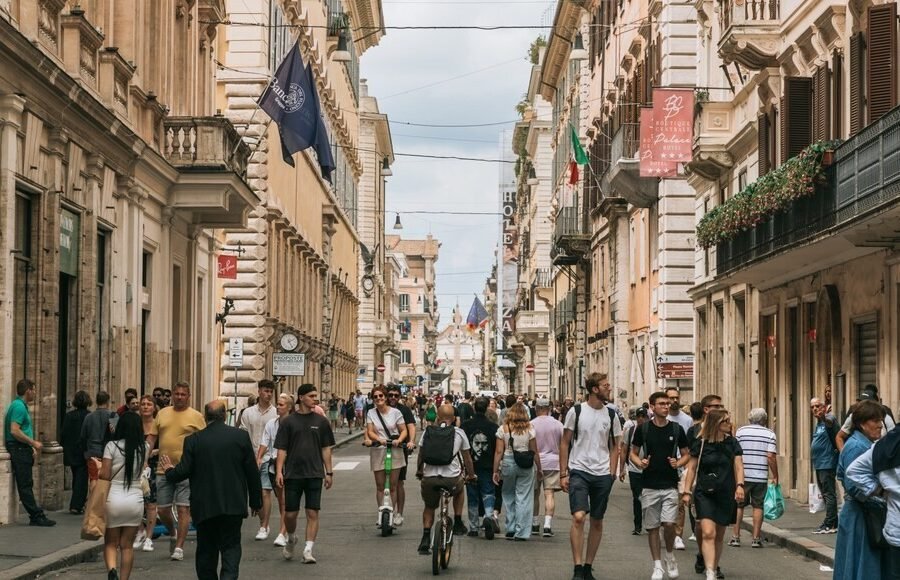
Figuring out how do I avoid tourist traps in popular cities is one of the most useful travel skills you can build. I’ve been caught in my share of them — the $28 plate of mediocre pasta two blocks from the Trevi Fountain in Rome, the “authentic” flamenco show in Barcelona that was really just a dinner theater with a markup. The good news? Sidestepping tourist traps isn’t about luck. It’s about knowing a few patterns and trusting your instincts a little more.
A tourist trap, at its core, is any business that survives on one-time visitors rather than repeat customers. That changes everything about how it operates. When a restaurant knows you’ll never come back, there’s no incentive to serve great food — only to get you in the door. Once you see the economics, you start spotting the warning signs everywhere.
How Do I Avoid Tourist Traps in Popular Cities? Start With Location
The single biggest predictor of a tourist trap is proximity to a famous landmark. Restaurants, cafes, and shops within a two or three block radius of major attractions pay enormous rents, and they cover those rents with high prices aimed at visitors who don’t know better. Walk ten minutes in any direction and prices often drop 30 to 50 percent while quality goes up.
This doesn’t mean you should never eat near a landmark — sometimes you’re hungry and that’s what’s there. But make it the exception, not the rule. When I visited Paris, I made a simple rule: no meals within sight of a monument. Some of my best meals of the trip came from tiny bistros in the 11th arrondissement, where the menu was only in French and the waiter had to mime half the dishes.
Warning Signs You’re Looking at a Tourist Trap
After years of traveling, I’ve put together a mental checklist. If a place hits three or more of these, I keep walking:
- Someone is outside trying to pull you in. Good restaurants don’t need barkers. If a host is waving a menu at you on the sidewalk, that’s the business telling you its food can’t sell itself.
- Photos of the food on the menu. In most countries with strong food cultures, photographing dishes for the menu is a red flag. Locals know what the dishes are; the pictures are for visitors who don’t.
- The menu is in five or more languages. A translated menu is fine. A menu in English, French, German, Japanese, Chinese, and Russian is a business built entirely on foot traffic from tour buses.
- It’s on the ground floor of a major attraction. Museum cafes, restaurants inside famous markets aimed at visitors, and anything with “Old Town” in the name at triple the normal price.
- No locals inside. Peek through the window. If every table is holding a camera or a guidebook and nobody looks like they live within 50 miles, trust what you see.
- The “tourist menu” or fixed-price special. Sometimes these are fine, but often they’re a way to serve smaller portions of the cheapest dishes at an inflated bundled price.
Do Your Homework Before You Go
A little research beats wandering hopefully. Before a trip, I spend an evening reading food blogs written by locals or long-term expats — not listicles, but actual neighborhood guides. Reddit’s city-specific subreddits are goldmines; search for “tourist trap” plus the city name and you’ll find threads full of specific warnings and alternatives.
Google Maps reviews help too, but read them skeptically. I filter for reviews in the local language — if a restaurant in Lisbon has hundreds of five-star reviews but they’re all in English, that’s telling. A place with reviews in Portuguese from people who clearly eat there regularly is a much better bet. For broader trip planning, Lonely Planet’s destination guides still offer solid neighborhood-level advice on where locals actually go.
Eat and Shop Where the Locals Go
The best strategy is also the simplest: follow the locals. A few practical ways to do that:
- Ask your hotel host or Airbnb host where they eat — not where they send tourists, but where they actually go. Phrase it exactly like that and watch the answer change.
- Walk residential streets at mealtimes and look for busy places full of local workers. A packed lunch spot at 1 p.m. on a weekday is almost never a trap.
- Learn five food words in the local language. Being able to read even part of a menu opens up the places that don’t bother translating.
- Visit markets in the morning. Local food markets are where residents shop. You’ll eat well for little money, and vendors will often tell you their favorite nearby spots.
For US travel specifically, the National Park Service site is genuinely useful for planning around gateway towns — the towns right outside popular parks are trap-heavy, and the NPS pages often note which nearby communities have real local character versus pure tourist infrastructure.
Handling Tours, Taxis, and Shopping
Restaurants get the most attention, but traps come in other flavors. For tours, book directly with small local operators rather than through your hotel concierge or a kiosk at the attraction — the markup through middlemen can be 40 percent or more, and the quality is often worse. Check whether the guide is licensed where licenses exist; in many European cities, licensed guides have passed real exams.
For taxis and rideshares, agree on the price or confirm the meter before you get in, especially at airports and train stations. In cities where ride-hailing apps operate, use them — the price is fixed upfront and the route is tracked. If a driver tells you your hotel “is closed” or “moved” and offers an alternative, that’s one of the oldest scams in the book. Your hotel is fine.
Shopping traps cluster around souvenirs. The same “handmade” magnet is sold in twenty shops on the same street, all made in the same factory. If you want something real, look for artisan workshops slightly off the main drag, or buy directly from makers at local craft markets. You’ll pay a fair price for something actually made nearby — and you’ll remember the story behind it.
The Mindset That Saves You Money
Here’s what I’ve learned: avoiding tourist traps isn’t about being suspicious of everything. It’s about slowing down. Traps thrive on urgency — the feeling that you need to eat NOW, book NOW, buy NOW because you’re only here for three days. The moment you give yourself permission to walk ten minutes, wait an hour, or come back tomorrow, most traps lose their power over you.
Build slack into your itinerary. The travelers who get trapped are usually the ones sprinting between landmarks with no buffer. The ones who linger, wander side streets, and ask questions end up with better food, better prices, and better stories.
If you’re planning the broader trip, it also helps to understand why some flights are so much cheaper with layovers — saving on airfare gives you more budget to spend on the experiences that actually matter. And if you’ve got time between connections, learning how to make a long layover enjoyable can turn a travel headache into a bonus mini-adventure.
The Bottom Line
Learning how do I avoid tourist traps in popular cities comes down to a few habits: walk a few blocks from landmarks, be wary of barkers and photo menus, follow the locals, and do a little research before you go. You won’t dodge every trap — I’ve been traveling for years and still occasionally overpay for a bad coffee with a great view. But the more you practice, the more second nature it becomes, and the more of your travel budget goes toward experiences worth remembering.



1 Comment