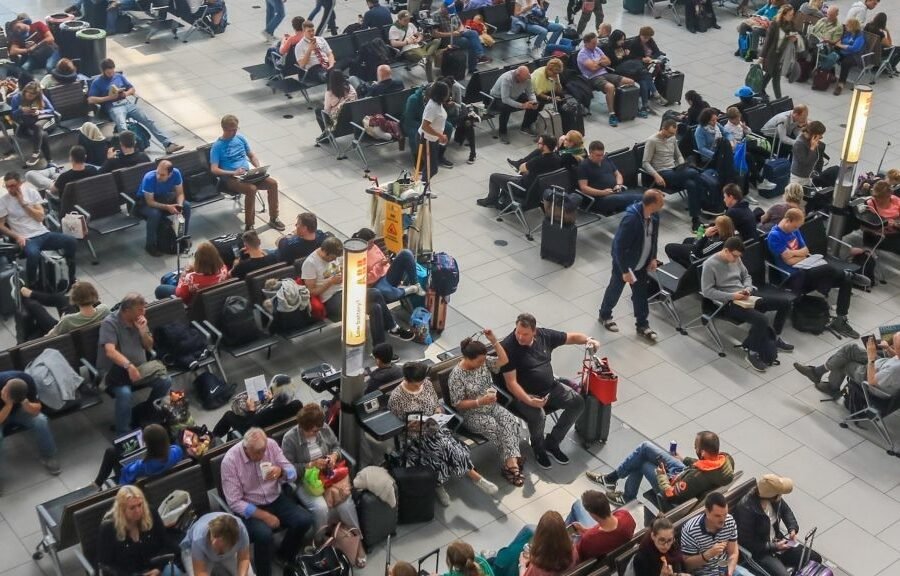
Learning how can I make a long layover enjoyable has saved my sanity more times than I can count. I’ve spent 9 hours in Chicago O’Hare, 7 in Dallas, and one memorable 11-hour stretch in London Heathrow. The difference between a miserable layover and a genuinely pleasant one isn’t luck — it’s preparation. Here’s everything I’ve figured out.
First, reframe the layover. Most people treat it as dead time to endure. But a 5+ hour layover is actually a gift: uninterrupted hours with no obligations. You can rest, explore, work, or even leave the airport. The key is deciding in advance which one you want.
How Can I Make a Long Layover Enjoyable? Decide: Stay or Go
The biggest decision is whether to leave the airport. My rule: if the layover is 6+ hours domestic or 7+ hours international, and the city center is under 45 minutes away, go explore. If it’s shorter or the airport is far from anything, settle in.
Before leaving, check three things:
- Visa/entry requirements. Some countries require a transit visa even to leave the airport. Check before you fly, not at the immigration desk.
- Baggage. On domestic connections, your checked bag goes through automatically. International varies — confirm with the airline whether you need to recheck.
- Return timing. Be back 2 hours before domestic departures, 3 for international. Set a phone alarm for when you must head back, then subtract 30 minutes as a buffer.
Many airports now offer free or cheap transit tours for long layovers — Singapore Changi, Istanbul, and Seoul Incheon all have them. Check the airport’s website before you fly; it’s the easiest sightseeing you’ll ever do. The TSA website has current guidance on re-entering security smoothly when you come back.
Kit Yourself Out: The Layover Survival Pack
I never fly without a layover kit in my personal item. It lives in my backpack permanently:
- Portable charger and cables. Outlets are fought over like prime real estate. A charged power bank means freedom.
- Noise-canceling earbuds or headphones. The single highest-ROI travel purchase I’ve ever made. Airport noise disappears.
- An empty water bottle. Fill it after security. Hydration plus no $5 water bottles.
- Snacks. Protein bars, nuts, dried fruit. Airport food is overpriced and layovers make you weirdly hungry.
- A light layer. Airports are either freezing or sweltering, never comfortable. A packable jacket solves it.
- Entertainment pre-downloaded. Airport Wi-Fi is a gamble. Download shows, podcasts, books, and offline maps before you leave home.
Find Your Spot: Airport Real Estate Matters
Not all terminal locations are equal. My hierarchy from best to worst:
- Airline lounges. If you have access (credit card, status, or a day pass $30-60), this is the answer. Quiet, comfortable seats, free food and drinks, clean bathrooms, reliable Wi-Fi. For a 6+ hour layover, a day pass often pays for itself versus buying two airport meals.
- Yoga/meditation rooms. Many large airports have them now. Quiet, dim, empty. Perfect for decompressing.
- Less-crowded gates. Walk to the far end of the terminal, away from the central hub. Gates for flights departing in 3+ hours are usually empty.
- Restaurants with outlets. Camp at a table, order coffee, charge everything. Nobody minds if you linger with headphones on.
Apps like LoungeBuddy show day-pass options, and the airport’s own map (download it offline) reveals chapels, observation decks, and art installations you can wander to. Some airports are destinations in themselves — Changi’s butterfly garden, Denver’s public art, San Francisco’s aviation museum branch.
Use the Time Productively (or Don’t)
A long layover is one of the few places modern life gives you truly unscheduled hours. Options:
- Sleep strategically. A 90-minute nap (one full sleep cycle) leaves you refreshed; a 30-minute nap leaves you groggy. Set multiple alarms. “Sleep pods” at airports like JFK and Atlanta rent by the hour.
- Get work done. Airport Wi-Fi plus noise-canceling headphones is a surprisingly good office. I’ve written entire articles during layovers.
- Exercise. Walk the full length of every terminal. Some airports (Baltimore, San Francisco) even mark walking routes with distances. Your body will thank you before the next cramped flight.
- People-watch and journal. Airports are humanity in cross-section. Bring a notebook. Some of my best writing ideas came from gate areas.
If you’re connecting internationally and curious about the stopover city, that’s also prime time to research how to avoid tourist traps at your destination — a little reading now saves money later.
Eat Well Without Overpaying
Airport food has a bad reputation, but it’s improved a lot. The trick is knowing where to look. Sit-down restaurants past security are often outposts of genuine local favorites — Tortas Frontera by Rick Bayliss in Chicago O’Hare, for example, serves real food at semi-reasonable prices.
Avoid the grab-and-go chains near the busiest gates (highest markup, lowest quality). Walk 5 minutes to a quieter concourse and prices drop. And if you have lounge access, eat there — the food is included and usually better than the food court.
Overnight Layovers: A Special Case
If your layover stretches overnight, you have three options. Airport hotels (connected to the terminal, pricey but unbeatable for short nights), nearby hotels with shuttles (cheaper, but factor in shuttle time), or sleeping in the terminal (free, uncomfortable, but doable with the right gear — eye mask, earplugs, inflatable pillow).
Check whether the airline owes you a hotel. For international itineraries with forced overnight connections, some carriers (especially Middle Eastern and Asian airlines) provide free hotel rooms. It never hurts to ask at the transfer desk. The US Department of Transportation’s air consumer protection page outlines what airlines owe you during extended delays, which is worth knowing.
Keep exploring: for more on this topic, see booking holiday flights at the right time and staying safe while traveling solo, plus airport lounge access programs.
The Bottom Line
How can I make a long layover enjoyable? Pack the right kit, pick your strategy (explore or settle in), claim good terminal real estate, and treat the hours as a gift rather than a punishment. The travelers having the worst time are always the ones who didn’t plan — hunched over a dead phone at a crowded gate. With a little preparation, you’ll be the person napping peacefully in the yoga room or eating well in the lounge, actually grateful for the break between flights.