Florida humidity, sunscreen layering, and a T-zone that seems to produce oil on an industrial schedule — blackheads thrive in the Sunshine State. Those tiny dark dots on your nose and chin aren’t dirt (a persistent myth), and scrubbing them raw only makes things worse: damaged skin barrier, more oil production, and blackheads that return angrier than before. This guide explains how long it realistically takes to get rid of blackheads without damaging your skin in Florida’s uniquely challenging climate.
You’ll learn what blackheads actually are, a gentle routine that clears them in weeks (not overnight), Florida-specific adjustments for heat and humidity, the treatments worth trying versus the ones to skip, and when to see a dermatologist.
What Blackheads Actually Are (and Aren’t)
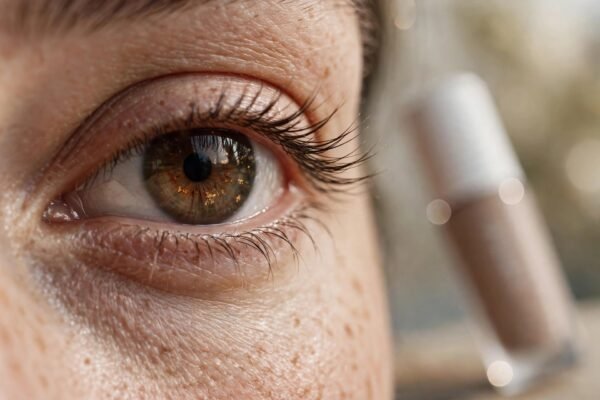
A blackhead is a clogged pore where the plug of oil and dead skin cells is exposed to air — the dark color is oxidation, not dirt. That’s why no amount of washing removes them; you’re dealing with chemistry, not cleanliness. Blackheads form when excess sebum mixes with dead skin that isn’t shedding properly, creating a plug. Florida’s heat and humidity increase sweat and oil production, which is why blackheads often worsen here in summer. Stress plays a role too — learn why stress causes breakouts to understand the cortisol-oil connection.
Timeline honesty: no legitimate treatment removes blackheads overnight. With a consistent routine, you’ll see noticeable improvement in 2–4 weeks and significant clearing in 6–8 weeks. Anyone promising instant results is selling either irritation or fiction — there are no overnight fixes in dermatology. Skin cell turnover takes roughly 28 days — you’re working with biology’s schedule, not Amazon Prime’s.
The cardinal rule: never squeeze aggressively, use metal extractors on unprepared skin, or apply pore strips regularly. These methods stretch pores, break capillaries, and cause inflammation that triggers more oil production — the exact opposite of what you want. The American Academy of Dermatology explicitly warns against aggressive physical extraction for these reasons.
The Gentle Routine That Actually Works
Step 1: Cleanse smart (twice daily). Use a gentle gel or foaming cleanser with salicylic acid (a beta-hydroxy acid that dissolves oil inside pores — it’s oil-soluble, which is why it works where other acids don’t). In Florida’s humidity, you might need cleansing twice daily; in drier winter months, once may suffice. Lukewarm water only — hot water strips the barrier.
Step 2: Exfoliate chemically, not physically (2–3x weekly). A leave-on BHA product with 2% salicylic acid is the gold standard for blackheads. Start twice weekly, build to every other day as tolerated. Skip harsh scrubs with rough particles — they create micro-tears that worsen everything.
Step 3: Consider retinoids (nightly, gradually). Adapalene 0.1% (available OTC as Differin) normalizes skin cell turnover, preventing the dead-cell buildup that forms plugs. Start twice weekly, increase slowly; expect mild flaking for 2–3 weeks (the “retinization” period). This is the single most effective long-term blackhead treatment available without a prescription.
Step 4: Moisturize — yes, even oily skin. Skipping moisturizer signals your skin to produce more oil. Use a lightweight, non-comedogenic gel moisturizer. In Florida humidity, this might be all you need; the “skip moisturizer” advice is a fast track to rebound oiliness.
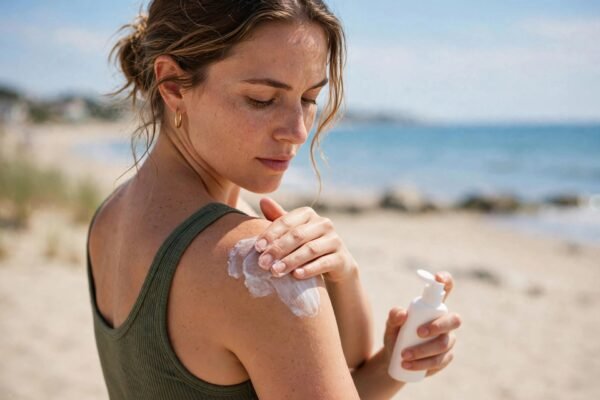
Step 5: Sunscreen every morning. Non-negotiable in Florida, and doubly important when using acids or retinoids (both increase sun sensitivity). Choose oil-free, non-comedogenic formulas. Unprotected sun exposure also oxidizes sebum faster — literally darkening blackheads.
The consistency contract: The routine above only works if you follow it daily for at least six weeks before judging results. Most people quit in week three — right before visible change begins. Set a phone reminder, keep products visible on the counter (not buried in a drawer), and take a weekly photo in the same lighting. The photos reveal gradual progress your mirror misses, and seeing change is what carries you through to week eight.
Florida-Specific Adjustments
Humidity strategy: In summer, switch to lighter layers — a hydrating toner plus gel moisturizer instead of heavy creams. Keep blotting papers handy; pressing (not rubbing) absorbs excess oil without disturbing sunscreen. Consider a niacinamide serum (4–5%), which regulates sebum production and is well-tolerated in heat.
Sweat management: Post-workout or post-beach, rinse your face promptly — dried sweat mixed with sunscreen and oil is a pore-clogging cocktail. Keep micellar water wipes in your gym bag for when a full cleanse isn’t possible.
Mask and helmet acne (“maskne”): Florida’s outdoor lifestyle means more time in helmets, hats, and sunglasses — all of which trap heat and friction against blackhead-prone zones. Clean hat liners and sunglass nose pads regularly; choose breathable fabrics.
Water quality: Much of Florida has hard water, which can leave mineral residue that irritates skin. If your skin feels tight and filmy after washing, a gentle chelating cleanser or a final rinse with micellar water helps. This pairs with broader seasonal routine adjustments — just as wardrobes shift with climate, so should skincare.
Treatments Worth Trying vs. Hype to Skip
Worth it: Professional extractions by a licensed esthetician (monthly at most — they prep skin properly with steam and use correct technique); clay masks weekly (kaolin or bentonite absorb excess oil temporarily); the “oil cleansing method” paradox — massaging with a cleansing oil for 60 seconds can dissolve sebum plugs gently.
Skip: DIY baking soda or lemon scrubs (wrong pH, causes chemical burns); pore strips as a routine (they remove surface plugs but stretch pores over time); at-home microdermabrasion devices (too aggressive for beginners); and any “blackhead vacuum” gadget (dermatologists universally pan these for causing bruising and broken capillaries).
Prescription territory: If 8–12 weeks of consistent OTC treatment shows minimal improvement, see a dermatologist. Prescription tretinoin, stronger retinoids, or professional chemical peels resolve stubborn cases that drugstore products can’t touch. There’s no prize for suffering through ineffective routines — the FDA’s cosmetics guidance reminds consumers that persistent skin conditions deserve professional evaluation, not endless product experiments.
Frequently Asked Questions
How long does it take to get rid of blackheads?
Expect visible improvement in 2–4 weeks and significant clearing in 6–8 weeks with consistent use of salicylic acid and/or adapalene. Deep, long-standing blackheads take longer — skin turnover can’t be rushed.
Do pore strips permanently remove blackheads?
No. They remove the oxidized surface plug but leave the pore lining intact, so blackheads reform within days. Regular use can enlarge pores over time. They’re a cosmetic quick-fix, not a treatment.
Why are my blackheads worse in Florida summer?
Heat and humidity increase sebum and sweat production, creating more pore-clogging material. More sunscreen layering (necessary!) also contributes. Adjust to lighter products and cleanse promptly after sweating.
Can diet affect blackheads?
The evidence is modest but real: high-glycemic diets and dairy correlate with increased sebum production in some people. It’s worth experimenting, but topical treatment matters far more than diet for blackheads specifically.
The Bottom Line
Clearing blackheads without damaging your skin takes 6–8 weeks of consistent, gentle treatment: salicylic acid to dissolve plugs, adapalene to prevent new ones, lightweight moisture, and daily sunscreen — adjusted for Florida’s heat with lighter layers and prompt post-sweat cleansing. Skip the squeezing, skip the gimmicks, and give biology time to work. Your pores will thank you by simply… being less noticeable, which is exactly the goal.