
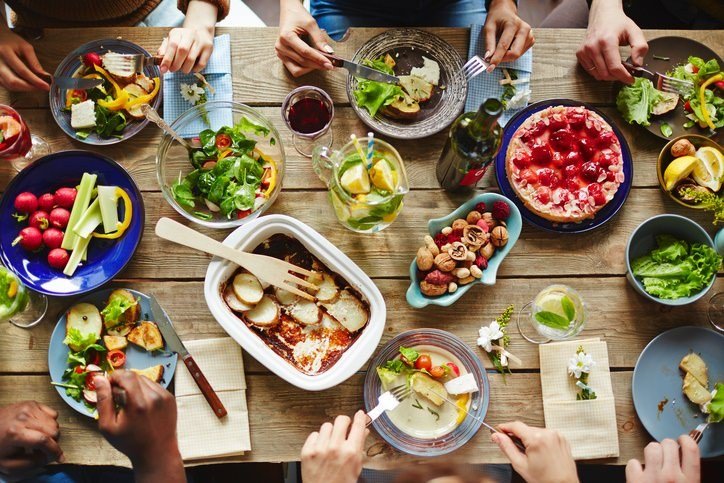
You want to host a gathering. You want great food, great people, and a full table. You do not want a $300 grocery bill and three days of cooking. If you’re asking how can I host a potluck without spending too much, you’re describing the potluck’s entire reason for existing — the world’s oldest crowd-funded dinner party, where everyone contributes and no one goes broke. I’ve hosted and attended dozens of potlucks, from chaotic office parties to legendary Friendsgivings, and the difference between a magical potluck and a stressful one is entirely in the hosting. Here’s how to do it right while spending almost nothing.
The economics are the point: a traditional dinner party for 12 costs the host $150–300. A potluck for 12 costs the host $20–40 (you provide the main or the venue basics; guests bring the rest). That’s a 90% cost reduction with more food variety. But the savings only materialize if you organize well — an unmanaged potluck gets seven desserts and no main course. Organization is the host’s contribution, and it’s free.
How Can I Host a Potluck Without Spending Too Much? The Coordination System
Assign categories, not dishes
The number one potluck failure: everyone brings what they want, and you end up with five pasta salads. The fix: assign categories and let guests choose within them. The classic split for 10–12 guests: 1–2 mains, 2–3 sides, 1–2 salads, 1–2 desserts, drinks/ice, bread/rolls. As host, you take the main (it’s the anchor — a big-batch chili, pulled pork, lasagna, or taco bar fillings) or you take the venue basics (plates, napkins, drinks, ice) if someone else wants to cook the main.
Use a shared sign-up sheet — Google Sheets, SignUpGenius (free), or even a group text thread. List the categories with slots; guests claim theirs. The sheet prevents duplicates, shows gaps (“we still need a salad and drinks”), and lets guests see what others are bringing (which inspires better contributions — nobody wants to bring chips when someone else is making homemade tamales). Send the sheet link with the invitation; nudge stragglers a week before.
Set expectations clearly (kindly)
“Bring a dish to share” is too vague — it produces anxiety (“how much? what kind?”) and uneven results. Instead: “Bring a side dish that serves 8–10, ready to serve.” Specific, achievable, no guesswork. Mention practical details: whether there’s oven space for reheating (usually limited — emphasize room-temperature-friendly dishes), whether to bring serving utensils (yes, labeled with their name), and any dietary notes for the group (nut allergies, vegetarian guests — collect this in advance and share it).
The budget-friendly guest guidance: some guests stress about potluck costs too. Reassure them: “homemade beats expensive — a $5 bag of rice made into pilaf feeds everyone.” Suggest budget-friendly crowd dishes in the invite: pasta salads, bean dishes, roasted vegetables, homemade bread, fruit salad. Nobody should spend more than $10–15 on their contribution. The potluck is egalitarian by design — a college student’s rice and beans sits proudly next to a foodie’s braised short ribs.
What the Host Provides (The Short, Cheap List)
Your hosting costs stay minimal if you’re strategic. The essentials:
- The main dish OR the paper goods: pick one lane. A big-batch main (chili, pulled pork, baked ziti — all under $25 for 12 servings) or plates, napkins, cups, utensils, and drinks ($20–30 at a warehouse store). Not both — that’s the potluck deal.
- Drinks and ice: if you’re doing paper goods, add these. A couple of 12-packs of soda, a case of water, and two bags of ice. Or make it BYOB with you providing mixers and ice — even cheaper.
- The setup: tables, seating, trash bags, a labeled “to-go” station (see below). These cost nothing if you own them or borrow.
- Coffee and a simple dessert backup: a pot of coffee and a tray of grocery-store cookies ($8) as insurance. If dessert slots go unfilled, you’re covered.
Borrow, don’t buy. Need extra chairs? A folding table? Serving dishes? Ask in the invitation: “I need to borrow two card tables and a dozen chairs — can anyone bring them?” Guests are happy to contribute equipment, and it keeps your costs at zero. The potluck ethos extends beyond food.
Themes That Make Potlucks Legendary
A theme turns a potluck from “random food” into an “event” — and themes actually reduce costs by focusing contributions:
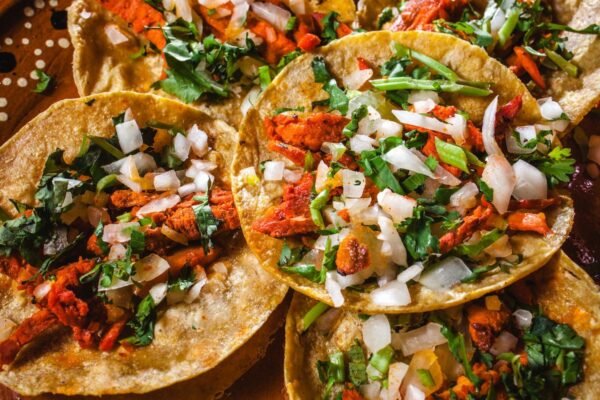
- Taco bar: you provide seasoned meat and tortillas; guests bring toppings (each topping is cheap — diced onion, cilantro, lime, cheese, salsa). Restaurant-style taco techniques apply.
- Soup/stew night: everyone brings a pot of soup; you provide bread and bowls. Infinite variety, everyone stays warm, total cost per person under $10.
- Breakfast for dinner: casseroles, quiches, pancakes (griddle station!), fruit salad. Breakfast food is the cheapest crowd food that exists.
- International night: each guest brings a dish from a different cuisine. Educational, delicious, and naturally varied.
- Chili cook-off: everyone brings chili; the group votes. Competitive, hilarious, and chili is among the cheapest foods to make in bulk.
- Stone soup: you provide the broth base; every guest brings one ingredient. Magical for kids, deeply communal, costs everyone almost nothing.
Day-Of Logistics
Set up a flow: food on one table (mains first, then sides, salads, bread, desserts at the end — the order matters for plate architecture), drinks separate (avoids bottlenecks), trash/recycling clearly marked. Label everything: tent cards with dish names (and the cook’s name — people love credit). Mark common allergens. Stagger nothing: potlucks are buffets; everything goes out at once. Keep hot foods hot (slow cookers are ideal — ask guests to bring dishes in theirs) and cold foods cold (nest bowls in ice).
The to-go station: put out containers and bags near the end of the meal and insist guests take leftovers. This is potluck culture at its finest — nobody wants 8 pounds of leftover potato salad, and guests love the care package. Dollar-store containers ($1 for a multi-pack) are the host’s best $5 investment. It also means less food waste and less cleanup for you.
Cleanup crew: recruit 2–3 guests in advance (“can you stay 20 minutes late to help clean?”). Many hands make it 15 minutes. The host who tries to clean alone after hosting will resent the next potluck — don’t be that host. And send a thank-you message the next day with a photo of the spread; it closes the loop and guarantees the next one.
Potlucks pair with other budget entertaining — homemade ice cream for dessert duty (yours or a guest’s), and nutrition label skills for the health-conscious contributors. For food safety at group events, the FoodSafety.gov guidelines cover the two-hour rule every host should know.
So how can you host a potluck without spending too much? Assign categories via a shared sign-up sheet, take the main dish or the paper goods (not both), borrow equipment, pick a theme to focus contributions, set up a logical buffet flow, and send everyone home with leftovers. Total host cost: $20–40. Total food: a feast. Total dishes you cooked: one. The potluck isn’t just the cheapest way to feed a crowd — it’s the most fun. The variety, the community, the discovery of your friend’s secret-recipe casserole — no caterer can replicate it. Send the invites.


3 Comments