Grocery store herbs cost $3–4 a pop, wilt in days, and you always need just a tablespoon when they sell you a whole forest. Starting your own supply is one of the easiest wins in home gardening, which is why so many people ask what is the easiest way to start a small herb garden. I’ve grown herbs on windowsills, balconies, and in backyard beds for years, and I can tell you: herbs are the most forgiving plants you’ll ever grow, the cheapest garden to start, and the highest-value crop per square foot. A $3 basil plant can produce $50 worth of basil over a summer.
Here’s why herbs are the perfect first garden: they’re hard to kill, they grow fast, they thrive in containers, most are pest-resistant (their strong scents repel many insects), and you harvest continuously rather than waiting months for one payoff. Unlike tomatoes that demand staking and babying, herbs basically ask for sun, occasional water, and regular haircuts. Let’s get you growing.
What Is the Easiest Way to Start a Small Herb Garden? The Absolute Simplest Path
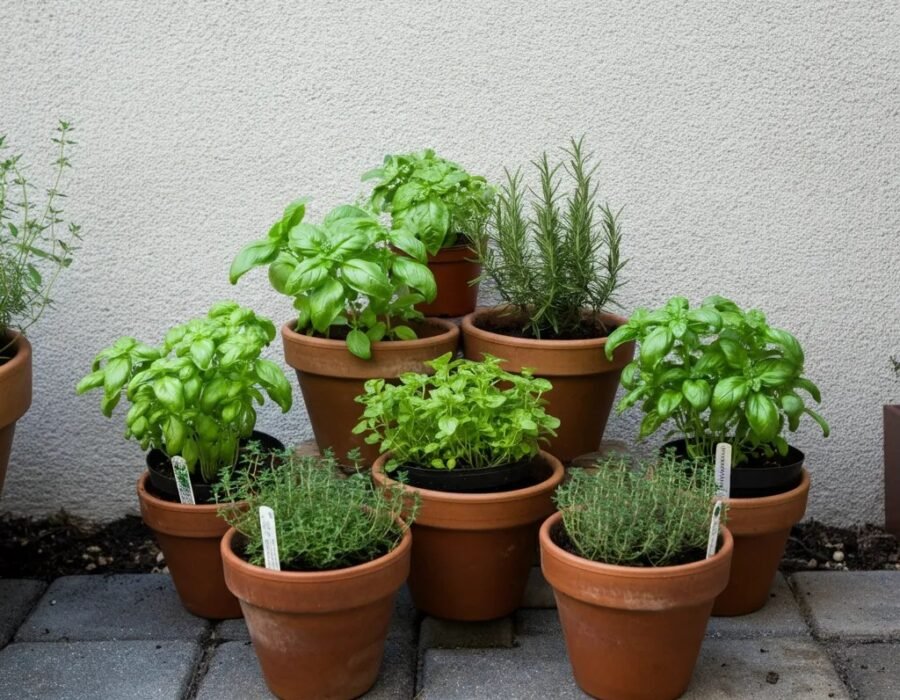
The easiest possible start: buy three small herb plants from the grocery store or garden center (basil, mint, and chives are my recommended trio), put each in its own pot with drainage holes filled with basic potting mix, set them in your sunniest window or outdoor spot, and water when the top inch of soil is dry. That’s it. You’re an herb gardener. Total cost: under $15. Total time: 20 minutes.
Buying starter plants instead of seeds is the key beginner shortcut. Seeds are cheaper but slower and fussier — they need consistent moisture, warmth, and patience. A $3 starter plant gives you harvestable herbs immediately and skips the fragile seedling stage entirely. There’s no shame in starting with plants; even experienced gardeners buy starters for herbs. You can graduate to seeds later if you catch the gardening bug (you will).
One pot per herb — this matters more than beginners expect. Different herbs have different water needs (mint is thirsty, rosemary likes it dry), and mint in particular is a garden thug that will strangle everything planted with it. Individual pots let you customize care and prevent bullying. They also let you move plants around to chase sun or dodge frost. A collection of pots is more flexible and more forgiving than one big shared planter.
Choosing Your Herbs: The Beginner’s Lineup
Tier 1: Nearly unkillable
- Mint: grows in anything, anywhere, with almost no care. The only way to kill mint is underwatering in extreme heat. Keep it in its own pot (it spreads aggressively via underground runners). Endless mojitos, teas, and garnishes.
- Chives: perennial in most climates — plant once, harvest for years. Snip with scissors; they regrow like magic. The purple flowers are edible and beautiful. Tolerates cold, heat, and neglect.
- Parsley: technically biennial, grown as an annual. Slow to start from seed (buy a plant), then produces steadily for months. Flat-leaf has better flavor; curly is prettier. Both are workhorses.
Tier 2: Easy with basic care
- Basil: the most rewarding herb to grow — nothing beats fresh basil. Loves heat and sun, hates cold (don’t plant outside until nights are reliably above 50°F). Pinch the growing tips regularly to keep it bushy; never let it flower (flowering turns leaves bitter). If it does flower, pinch the flowers off immediately.
- Cilantro: fast-growing but bolts (flowers and turns bitter) in heat. Grow it in spring and fall, or in partial shade during summer. Sow seeds every 2–3 weeks for continuous supply — it’s a cut-and-come-again crop that rewards succession planting.
- Dill: grows fast from seed, tolerates poor soil, self-seeds freely. Great for pickling, fish, and salads. Let one plant go to seed and you’ll have dill forever.
Tier 3: Slightly pickier (but worth it)
- Rosemary: perennial in warm climates (zone 7+), an annual elsewhere. Needs excellent drainage and hates wet feet — use sandy soil and don’t overwater. Bring potted rosemary indoors for winter in cold climates.
- Thyme: similar needs to rosemary — sun, drainage, restraint with water. Once established, it’s tough as nails and lasts for years.
Location, Soil, and Water: The Only Three Things That Matter
Light: most herbs want 6+ hours of direct sun. A south-facing window or sunny patio is ideal. No sunny spot? Mint, parsley, and chives tolerate partial shade (4–6 hours) better than most. Be honest about your light — it’s the one thing you can’t fake, and choosing shade-tolerant herbs for a shady spot beats watching sun-lovers slowly die.
Soil: regular potting mix from any garden center works perfectly. Don’t use garden soil in containers — it compacts and drains poorly. Herbs aren’t heavy feeders, so you don’t need fancy soil or much fertilizer. A light feeding with diluted liquid fertilizer once a month during growing season is plenty; over-fertilizing actually reduces the essential oils that give herbs their flavor.
Water: the number one herb killer is overwatering, not underwatering. Water when the top inch of soil feels dry, then water thoroughly until it drains from the bottom. Always use pots with drainage holes — no exceptions. Herbs in containers dry out faster than in-ground plants, so check daily in summer heat. A simple routine: poke your finger in the soil each morning; dry means water, damp means wait.
Harvesting: The More You Take, the More You Get
This is the beautiful paradox of herbs: regular harvesting makes them produce more, not less. Pinching and cutting stimulates bushy new growth. The beginner mistake is being too timid — harvesting a few leaves here and there while the plant gets leggy. Be bold: for basil, pinch stems down to just above a leaf pair; for chives, cut whole bunches an inch from the base; for mint and parsley, harvest outer stems first.
Never harvest more than one-third of the plant at once — that’s the rule that keeps plants vigorous. And harvest in the morning after the dew dries, when essential oils are most concentrated. If you have more than you can use fresh (a good problem), freeze the surplus in oil or as compound butter for months of flavor.
Your herb garden is the start of a bigger growing adventure — put your harvest to work with restaurant-style tacos at home — fresh cilantro makes all the difference. For region-specific growing advice, your local USDA cooperative extension offers free, expert guidance.
So what is the easiest way to start a small herb garden? Buy three starter plants (basil, mint, chives), pot them individually in potting mix with drainage, put them in your sunniest spot, water when the top inch dries out, and harvest boldly. Fifteen dollars and twenty minutes gets you a perpetual supply of fresh herbs that pays for itself within a month. Start this weekend — your cooking is about to get noticeably better.