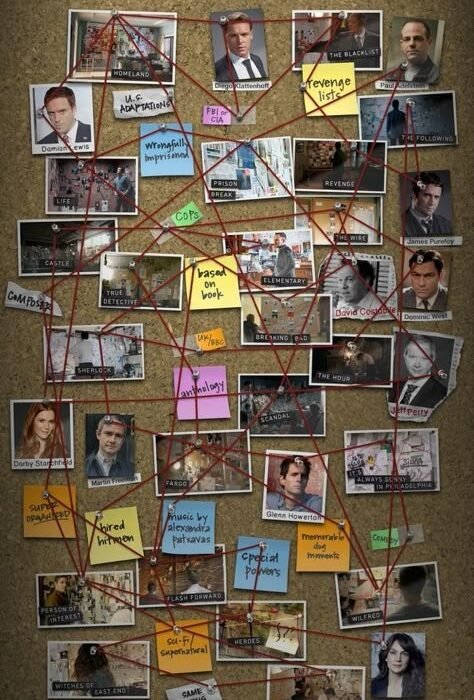
There are 500+ scripted shows released every year. New seasons drop with no warning, shows move between platforms, and everyone’s talking about something you haven’t heard of. If you’re asking what is the best way to keep up with new show releases, you’re facing the defining problem of the streaming era: infinite content, finite attention, and no central guide. I’ve built a system over years that keeps me effortlessly current — I never miss the shows I care about, I discover great new ones regularly, and I spend maybe 15 minutes a week on it. Here’s the complete setup.
The core problem: there is no TV Guide for streaming. Broadcast TV had schedules; streaming has algorithms that surface what they want you to see, not what’s actually good or new. Relying on Netflix’s homepage to “keep up” means seeing Netflix’s priorities, not the television landscape. You need your own intelligence system. Let’s build it.
What Is the Best Way to Keep Up With New Show Releases? The Tracking Layer
Use a dedicated tracking app
This is the foundation — a single place that knows what you watch and tells you when new episodes drop:
- TV Time: the most popular tracker — mark shows as watched, get notifications for new episodes, see what friends are watching. The social features (reactions, comments per episode) replicate the watercooler. Free with ads.
- JustWatch: essential for the streaming era — tells you where every show and movie is streaming, tracks price changes, and notifies you when something on your watchlist becomes available. Answers “where can I watch X?” instantly. Indispensable.
- Letterboxd (for films) and Serializd (for TV): diary-style tracking with social features. Less about notifications, more about curated discovery through people with great taste.
- Hobi / TeeVee / SeriesGuide: solid alternatives with calendar views showing exactly what’s airing each day — the closest thing to a streaming TV Guide.
Pick one tracker and commit — the value compounds as your watch history grows. Enable notifications for new episodes of followed shows. Check the “upcoming” calendar weekly (Sunday evening works — plan your viewing week). This single habit eliminates 80% of “wait, that came out already?” moments.
Build the release calendar habit
Once a week, spend 10 minutes scanning what’s coming: your tracker’s upcoming calendar, JustWatch’s “new” section filtered to your services, and one editorial source (see below). Add interesting shows to your watchlist immediately — the watchlist is your external memory, and “I’ll remember to watch that” is a lie your brain tells you. I do this Sunday nights with tea; it’s become a pleasant ritual rather than a chore.
The Discovery Layer: Editorial Sources Worth Following
Algorithms show you what platforms want to promote. Human editors show you what’s actually good. Curate 3–4 of these:
- Newsletters: “The Ankler” (industry), “What I’m Watching” style personal newsletters, Decider’s daily picks, Vulture’s streaming guides. A good TV newsletter in your inbox is the highest-ROI discovery tool — 2 minutes of reading, weeks of viewing.
- Publications: Vulture (best mainstream TV coverage), The Ringer (smart cultural takes), AV Club (reviews with personality), IndieWire (prestige/industry angle). You don’t need to read everything — skim headlines weekly.
- Podcasts: “The Watch” (The Ringer), “TV Talk Machine,” prestige-TV recap podcasts. Listening to critics discuss shows helps you decide what’s worth your time — and recap podcasts are the watercooler for shows you watch.
- Reddit: r/television for news, show-specific subreddits for deep dives. The episode discussion threads are the modern watercooler — sort by “best” after watching to avoid spoilers.
- Social follows: curate a Twitter/Threads/Bluesky list of TV critics and culturally-attuned friends. Their real-time reactions (“everyone needs to watch X”) are the fastest discovery signal.
The Social Layer: The Watercooler Rebuilt
Television has always been social — the “did you see last night’s episode?” conversation is half the pleasure. Rebuild it intentionally: the group chat (a dedicated chat for each show you’re watching with friends — theories, reactions, memes), watch party schedules (virtual watch parties for distant friends), and the “no spoilers” pact (agree on viewing pace for shared shows — nothing kills a friendship like a spoiled finale).
Manage the spoiler economy: mute keywords on social media for shows you’re behind on (every platform has mute filters — use them aggressively). Watch priority shows promptly if you care about the discourse. And accept that some spoilage is inevitable — studies suggest spoilers don’t actually ruin enjoyment as much as we fear (knowing the twist lets you appreciate the craft).
The Triage System: Deciding What’s Worth Your Time
You can’t watch everything — so decide fast and without guilt:
- The 2-episode rule: give a new show two episodes (three for slow-burn prestige). If you’re not engaged, drop it. Life’s too short, and the watchlist is infinite.
- Trust the consensus, not the hype: a show with 95%+ on Rotten Tomatoes and friends recommending it is a safe bet. A show with massive marketing but mixed reviews is a skip until the dust settles.
- Know your taste: track what you actually finish vs. abandon — patterns emerge. If you abandon every dark Scandinavian crime drama but finish every workplace comedy, stop starting Scandinavian crime dramas.
- Season 2 test: for returning shows, check reviews of the new season before diving back in — sophomore slumps are real, and your time is better spent on shows at their peak.
- The “cultural literacy” exception: some shows are worth watching to participate in the conversation (the Succession phenomenon). Budget 1–2 of these per year — they’re social investments.
Manage the services themselves with streaming service strategy and subscription rotation. For the industry producing all this content, the Wikipedia overview of streaming television provides context.
So what is the best way to keep up with new show releases? A tracking app with notifications (TV Time + JustWatch), a weekly 10-minute release-calendar scan, 3–4 human editorial sources (newsletters, critics, podcasts), a social layer for the watercooler (group chats, watch parties, spoiler management), and a ruthless triage system (2-episode rule, consensus over hype, know your taste). Fifteen minutes a week, and you’ll never again say “wait, that came out already?” — you’ll be the friend who knew first.