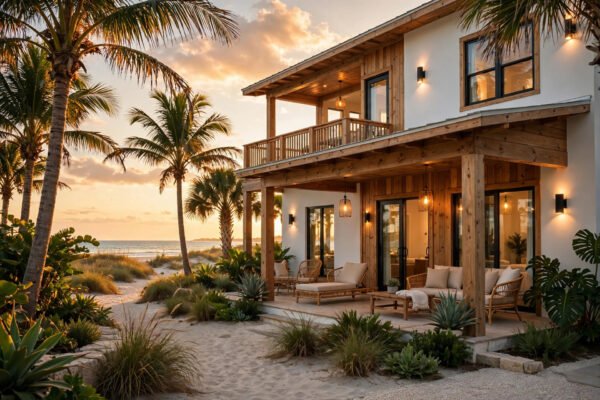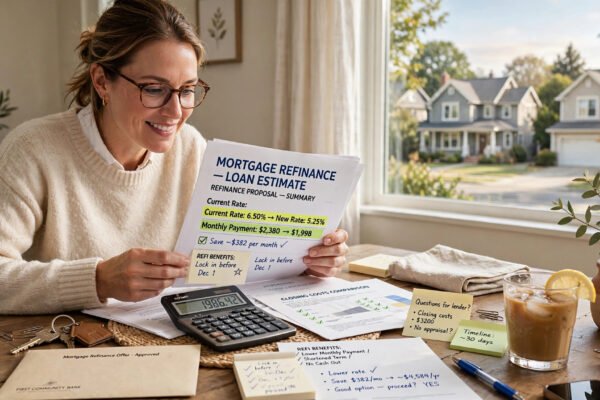
Somewhere between scrolling Zillow land listings and watching too many homestead YouTube channels, the idea takes root: buy a piece of Florida land and build your own custom home, exactly the way you want it, probably for less than buying existing. It’s a romantic vision — and occasionally a true one. But building on your own land in Florida involves hurricanes, flood zones, soil that behaves like soup, and a permitting process that humbles even experienced developers. This guide answers honestly whether you can buy land and build a custom home on your own in Florida, and how to do it without disaster.
You’ll learn what “on your own” realistically means (spoiler: not literally alone), how to evaluate Florida land before buying, the true cost breakdown, the permitting and code gauntlet, how to hire and manage a builder, and the mistakes that turn dream builds into money pits.
What “On Your Own” Actually Means
Let’s clear this up first: no one — not even licensed contractors — builds a whole house truly solo. “On your own” in this context means acting as your own general contractor or owner-builder: you buy the land, hire the architect and trades, pull permits, and manage the project, instead of buying from a production builder. Florida allows owner-builder permitting, which exempts you from needing a general contractor’s license for your own residence — but it comes with serious strings attached.
The owner-builder route means assuming a general contractor’s legal responsibilities: scheduling subcontractors, ensuring code compliance, carrying insurance, and liability for jobsite injuries. You also generally can’t sell the home within one year of completion without violating the owner-builder exemption. Most first-timers underestimate the management load: coordinating 20–30 trades across 6–12 months is a full-time job.
The realistic paths: full owner-builder (maximum savings of 15–25%, maximum risk and time), hiring a custom home builder (you own the land, they manage everything — the safest beginner route), or hybrid (builder handles structure and major systems, you manage finishes and landscaping). For most first-timers, the hybrid or full-builder route is the wise choice. Your “own” contribution is the vision, the land, and the decisions — not the nail gun.
Evaluating Florida Land: The Due Diligence That Matters
Land is where Florida builds succeed or fail, and cheap land is often cheap for reasons. Before making an offer, investigate: flood zone designation (FEMA maps — building in a high-risk zone means elevated construction requirements and flood insurance that can cost $3,000–$10,000/year); soil conditions (much of Florida sits on sand, muck, or limestone — get a geotechnical survey; bad soil can add $20,000–$50,000 in foundation work); wetlands and environmental restrictions (the Army Corps of Engineers and water management districts regulate aggressively — building near wetlands triggers expensive mitigation); zoning and setbacks (verify what you can actually build: minimum square footage, height limits, setback requirements); utilities access (extending power, water, or sewer to a rural lot can cost $15,000–$50,000+; septic feasibility requires a perc test); and hurricane exposure (coastal wind zones dictate expensive structural requirements).
Get a survey, a title search (Florida has quirky title issues — unresolved heirs’ property, old easements), and an environmental assessment. Budget $2,000–$5,000 for pre-purchase due diligence. It feels expensive until you compare it to buying an unbuildable $80,000 lot. The FEMA flood map service center lets you check any parcel’s flood designation free — do this before you even tour.
Also confirm access: landlocked parcels without legal road access are surprisingly common in rural Florida, and easement disputes are the stuff of decade-long lawsuits. If there’s no recorded access easement, walk away no matter how pretty the oaks are.
The True Cost: Land + Build + Everything Else
Florida custom home construction in 2026 typically runs $200–$400+ per square foot depending on region and finishes — so a 2,200 sq ft home costs $440,000–$880,000 to build, before land. Land prices vary enormously: $30,000–$80,000 for rural inland acres, $150,000–$500,000+ for desirable suburban lots, and seven figures near the coasts everyone wants.
The costs beginners forget: site preparation and clearing ($5,000–$30,000), impact fees (Florida counties charge $5,000–$20,000+ per new home for roads, schools, utilities), permit fees, architectural plans ($8,000–$30,000+), engineering, temporary power and facilities during construction, landscaping and driveways ($10,000–$40,000), and a contingency fund of 10–15% (non-negotiable — every build hits surprises). Financing is also pricier: construction loans carry higher rates, require 20–25% down, and disburse in draws tied to inspection milestones.
Total realistic budget formula: land cost + (square footage × $250–$350) + $50,000–$100,000 in soft costs and site work + 15% contingency. If that number exceeds buying an equivalent existing home by more than 15–20%, think hard about whether custom is worth the premium. Understanding what increases home value helps ensure your custom choices build equity rather than just taste.
Permits, Codes, and the Hurricane Factor
Florida has the toughest residential building codes in America — the Florida Building Code was rewritten after Hurricane Andrew and strengthened after every major storm since. This is genuinely good news: Florida homes built to current code survive hurricanes remarkably well. But it means your build faces rigorous structural engineering (wind-load calculations, missile-impact windows or shutters in high-velocity zones, reinforced roof-to-wall connections), multiple inspections at each phase, and zero tolerance for shortcuts.
Plan 2–6 months for permits depending on the county — coastal and environmentally sensitive areas take longer. Submit complete, professional plans the first time — incomplete submissions go to the back of the queue. A permit expediter ($1,500–$3,000) is money well spent in slow counties.
Insurance shapes design decisions: Florida’s insurance crisis means your roof shape, opening protection, and elevation directly determine premiums. A hip roof with impact windows in a low-risk zone might insure for $2,500/year; a gable roof without shutters near the coast could hit $12,000+. Design with your insurance agent, not just your architect — the FEMA building science resources explain mitigation features that cut both risk and premiums.
Hiring and Managing Your Builder
If you’re not going full owner-builder (wise), vet custom builders ruthlessly: verify the Florida certified general contractor license (check it active on the state DBPR site), demand 5+ references from the last two years and actually call them, visit two completed homes, check for complaints and liens, and confirm they carry general liability and workers’ comp. Never hire on price alone — the cheapest bid in custom construction is usually the most expensive mistake.
Insist on a detailed fixed-price or cost-plus contract specifying: exact scope and allowances (allowances for fixtures and finishes are where budget overruns hide — research options early, from choosing between hardwood and laminate flooring to fixture grades — get realistic numbers), payment schedule tied to completed milestones (never pay large sums upfront), timeline with delay provisions, warranty terms (Florida requires minimum warranties), and a clear change-order process (every change in writing, priced before work starts — verbal “sure, we can do that” is how $30,000 appears from nowhere).
Visit the site weekly, photograph everything, and keep all communication in writing. You’re protecting a six-figure investment, not micromanaging. Good builders welcome engaged owners; only shady ones discourage site visits.
Frequently Asked Questions
Is it cheaper to build or buy in Florida in 2026?
Usually buying existing is cheaper — custom builds typically cost 15–30% more than comparable existing homes once land, soft costs, and contingency are included. You build custom for control and exact fit, not for savings.
Can I be my own general contractor in Florida?
Yes, under the owner-builder exemption for your own residence, but you assume full legal responsibility for code compliance, subcontractor management, and jobsite liability — and generally can’t sell within a year. Most beginners should hire a licensed builder instead.
How long does it take to build a custom home in Florida?
Plan 10–16 months from land purchase to move-in: 2–6 months for design and permits, 6–10 months for construction. Weather, inspections, and material lead times all add variability.
What’s the biggest risk building in Florida?
Buying the wrong land — flood zones, bad soil, wetlands restrictions, or no utility access can add six figures or make building impossible. Due diligence on the land matters more than any other single decision.
The Bottom Line
Yes, you can buy land and build a custom home in Florida on your own — but “on your own” should mean owning the vision and the decisions while hiring licensed professionals for the execution. Vet the land obsessively (flood, soil, zoning, utilities), budget honestly with a real contingency, respect the building code as your friend, and manage your builder with written everything. Do that, and the dream home at the end is worth every spreadsheet.