The anti-aging cream aisle is a $60 billion exercise in hope: jars promising to “erase” wrinkles, “turn back time,” and “reverse aging” — language the FDA would flag as drug claims if anyone enforced it. So let’s ask the question honestly: is it worth choosing anti-aging creams, and do any actually work? The answer is a qualified yes — a small number of ingredients have genuine evidence behind them, and everything else is varying degrees of marketing. Here’s how to separate the two.
What “Anti-Aging” Can Realistically Do
Set expectations first. No cream “erases” deep wrinkles — that requires procedures (or acceptance). What topical products can do: improve fine lines, even skin tone, boost hydration (which alone makes skin look years younger), fade dark spots, and — with retinoids — modestly increase collagen production over months. The honest promise of the best creams is “better,” not “younger.”
The Ingredients With Real Evidence
This is the short list that matters — the ingredients with peer-reviewed human data:
- Retinoids (tretinoin, retinol, retinal, adapalene): the gold standard, full stop. Decades of studies show retinoids increase collagen production, accelerate cell turnover, fade hyperpigmentation, and improve fine lines. Tretinoin (prescription) has the strongest evidence; adapalene (OTC, ~$15) is the best value in skincare. Expect 3–6 months for visible change and initial irritation (start 2–3x/week, buffer with moisturizer).
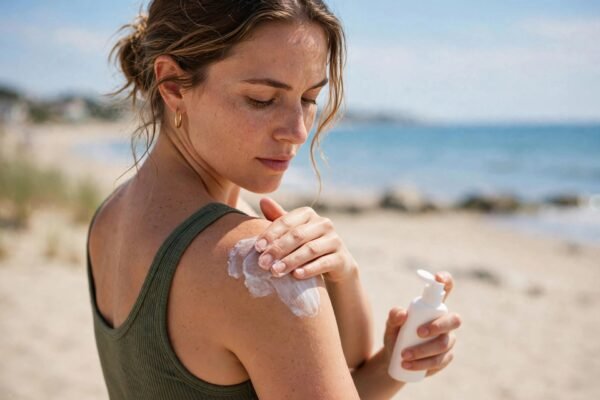
- Sunscreen (SPF 30+ daily): the most effective anti-aging product ever made. An estimated 80% of visible facial aging is photoaging — UV damage. A landmark Australian study showed daily sunscreen users aged measurably less over 4.5 years than discretionary users. Every anti-aging routine without sunscreen is theater.
- Vitamin C (L-ascorbic acid, 10–20%): antioxidant that neutralizes free-radical damage, supports collagen synthesis, and fades dark spots. Look for airtight, opaque packaging (it oxidizes fast) and use in the morning under sunscreen — the combination is synergistic.
- Niacinamide (vitamin B3, 4–5%+): improves barrier function, reduces redness and blotchiness, minimizes pore appearance, and fades hyperpigmentation. One of the best-tolerated actives across skin types.
- Peptides (Matrixyl/palmitoyl pentapeptide and similar): modest evidence for collagen signaling — promising but weaker than retinoids. Reasonable supporting players, not headliners.
- Alpha hydroxy acids (glycolic, lactic): exfoliate, improve texture and tone, modest collagen stimulation at higher concentrations. Good for dullness and uneven texture.
- Hyaluronic acid: superb hydrator that plumps fine lines temporarily — it’s not rebuilding collagen, but hydrated skin looks significantly younger. Worth having, not worth hype pricing.
The Expensive Myths
- “Clinically proven to reduce wrinkles by 87%”: these numbers come from tiny, manufacturer-funded, uncontrolled measurements (often just hydration plumping measured by instruments). Not fraud, exactly — but not meaningful either.
- Stem cells, caviar, gold, diamond dust: luxury ingredients with no plausible mechanism for topical anti-aging. You’re buying the jar.
- Collagen creams: collagen molecules are too large to penetrate skin. They moisturize the surface; they don’t rebuild your dermis. (Ingested collagen has slightly better — still modest — evidence.)
- “Instant wrinkle erasers”: silicate-based films that tighten as they dry — a 4-hour optical illusion, not treatment. Fine for photos; not skincare.
- Price = efficacy: the $300 cream and the $20 cream with the same retinoid concentration do the same thing. Packaging and prestige don’t penetrate skin.
The Worth-It Routine (Under $75)
The evidence-based anti-aging routine costs less than one luxury jar:
AM: gentle cleanser → vitamin C serum (~$15–$25) → moisturizer → SPF 30+ sunscreen (~$12–$18).
PM: cleanser → adapalene or retinol (~$15–$25) 3–5x/week → moisturizer with niacinamide.
Total: ~$50–$75 for months of supply. This routine outperforms any single $200 “miracle” cream because it combines the three interventions with actual evidence: retinoid + antioxidant + sunscreen. The AAD’s anti-aging guidance aligns exactly with this hierarchy.
When Creams Aren’t Enough (Honest Escalation)
For deep wrinkles, significant sun damage, or volume loss, topicals hit their ceiling. The honest escalation ladder: chemical peels and microneedling (moderate improvement, hundreds of dollars), laser resurfacing (significant, thousands), injectables (Botox for dynamic wrinkles, fillers for volume loss), and surgical options. A good dermatologist will tell you when you’ve outgrown the cream aisle — that’s a feature, not a failure, of honest skincare.
Who Should Skip Anti-Aging Actives
Pregnant or trying to conceive (avoid retinoids — teratogenic risk; the FDA flags this clearly), rosacea or eczema flares (introduce actives only when calm, or skip), and anyone whose skin barrier is currently damaged (fix the barrier first — actives on broken skin worsen everything).
Anti-Aging for Men: The Overlooked Basics
Men’s skin ages too — and the routine is even simpler because the evidence doesn’t change by gender. The male-specific wrinkles: marketing insists men need separate products; dermatology says the active ingredients are identical and “for men” labeling is mostly fragrance and packaging. What actually differs: men’s skin is ~25% thicker with more collagen density (which is why men often show aging later), but higher sebum production and daily shaving create different concerns — shaving is a form of physical exfoliation, so men who shave daily often need less additional exfoliation, not more. The men’s essentials: daily SPF 30+ moisturizer (the single product that matters — find one you’ll actually wear; the “best” sunscreen is the used one), a gentle cleanser (not bar soap, which is typically too alkaline), and optionally a nighttime retinoid introduced slowly. Shaving-related aging — irritation, ingrown hairs, and the “5 o’clock shadow” texture — responds to proper technique (sharp razor, shaving with the grain on sensitive areas, moisturizing immediately after) more than to products. Eye cream isn’t gendered either — the skin around the eyes is the thinnest on the face for everyone, and it’s where aging shows first. The barrier for men isn’t knowledge; it’s the misconception that skincare is cosmetic vanity rather than preventive health. Reframe it: sunscreen is skin-cancer prevention that happens to prevent wrinkles, and that’s a health decision, not a beauty one.
Conclusion
Anti-aging creams are worth it when you buy ingredients, not promises: a retinoid, vitamin C, niacinamide, and daily SPF 30+ — total under $75 — deliver essentially all the proven topical anti-aging benefit available. Everything beyond that is diminishing returns wrapped in luxury packaging. Start the proven actives, wear the sunscreen every single day, give it 3–6 months, and judge by photos, not the mirror (daily mirror-checking misses slow change). For the lifestyle side of aging well, managing stress-related skin issues matters as much as any serum — and owning your personal style at every age beats chasing youth every time.
Frequently Asked Questions
Do anti-aging creams actually work?
Some do. Retinoids, vitamin C, niacinamide, and sunscreen have strong human evidence for improving fine lines, tone, and texture. Most other “anti-aging” ingredients have weak or no evidence. No cream erases deep wrinkles.
What is the single best anti-aging product?
Daily SPF 30+ sunscreen — an estimated 80% of visible facial aging is UV-driven photoaging. After sunscreen, a retinoid (tretinoin/adapalene) has the strongest evidence of any topical.
Are expensive anti-aging creams better than cheap ones?
No. Efficacy comes from active ingredients at effective concentrations, not price. A $15 adapalene outperforms a $300 cream without proven actives. You’re usually paying for packaging and marketing.
How long until anti-aging creams show results?
Retinoids: 3–6 months for visible change. Vitamin C: 4–8 weeks for brightness. Hydration plumping: immediate but temporary. Judge by monthly photos, not daily mirror checks.
Can I use retinol in my 30s?
Yes — the 30s are the ideal time to start. Begin 2–3x/week, buffer with moisturizer, use only at night, and wear sunscreen daily (retinoids increase sun sensitivity).
Sources: AAD anti-aging guidance.