BB cream. CC cream. DD cream. EE cream. The alphabet-soup of complexion products has confused makeup buyers for over a decade — and the BB vs. CC distinction is the one that actually matters, because they’re genuinely different products for different needs. The confusion is understandable: the names are cryptic, brands use them inconsistently, and marketing copy treats them as interchangeable. They’re not. Here’s what each one is, who it’s for, and how to choose.
What BB Cream Actually Is
BB = Beauty Balm (or Blemish Balm). Born in Germany as post-procedure coverage, popularized in South Korea, BB creams are the all-in-one multitaskers: moisturizer + primer + light foundation + SPF + skincare ingredients in one tube. Coverage is sheer-to-medium — more than a tinted moisturizer, less than foundation. The finish tends toward dewy/natural. Think of BB cream as “your skin, but better” — evening tone, adding hydration, with sun protection built in.
BB strengths: simplicity (one product replaces 3–4 steps), hydration (good for dry/normal skin), natural finish, and usually decent SPF (though — as with all makeup-SPF — apply enough to count, or layer real sunscreen underneath).
What CC Cream Actually Is
CC = Color Correcting (or Complexion Corrector). CC creams are BB cream’s more targeted sibling: they lead with color correction — neutralizing redness, sallowness, and dark spots — with slightly higher coverage than BB creams and often a more matte finish. The texture is typically lighter-feeling despite the extra coverage, and many include brightening ingredients (vitamin C, niacinamide, licorice root).
CC strengths: redness and discoloration correction (rosacea-adjacent redness, post-acne marks, dullness), oilier skin types (the matte finish controls shine better), and anyone who wants more coverage without full foundation.
BB vs. CC: The Direct Comparison
| BB Cream | CC Cream | |
|---|---|---|
| Primary job | Hydrate + even out | Correct color issues |
| Coverage | Sheer to medium | Medium (slightly more) |
| Finish | Dewy/natural | Natural-matte |
| Best skin types | Dry, normal, sensitive | Oily, combination, redness-prone |
| Key ingredients | Moisturizers, SPF | Color correctors, brighteners |
| Replaces | Moisturizer + foundation + SPF | Primer + color corrector + foundation |
Why It’s So Hard to Understand (The Honest Reasons)
The confusion isn’t your fault:
- No standard definitions. Unlike “sunscreen” (FDA-regulated with testing standards), BB/CC are pure marketing terms. One brand’s “CC cream” is another brand’s tinted moisturizer with a fancier name. Independent testing by consumer labs consistently finds SPF claims on these products overstated relative to real-world use.
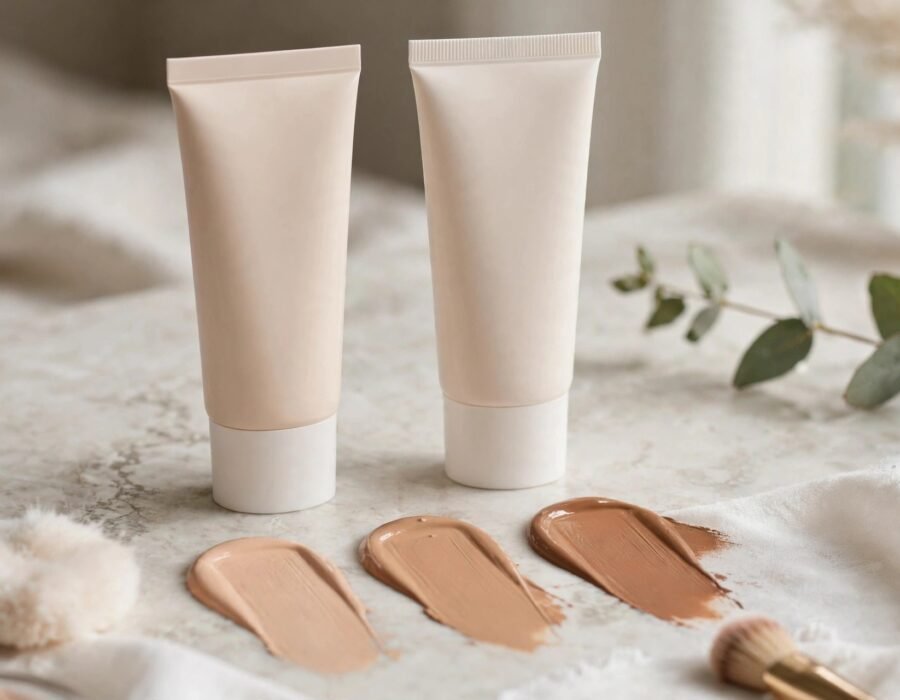
- Shade ranges are terrible. Both categories historically launched with 3–5 shades (“light/medium/dark”), which excluded most skin tones. The situation has improved but still lags foundation ranges — always check the shade lineup before committing to the category.
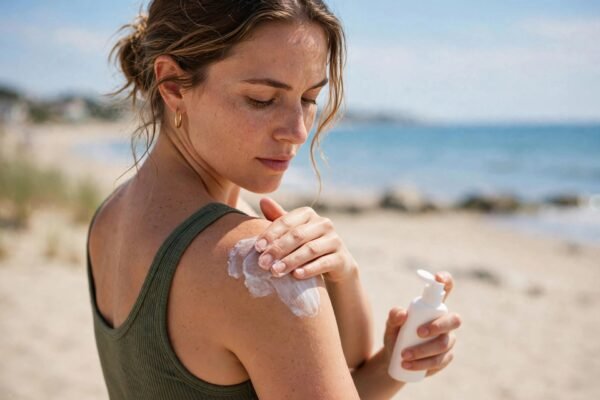
- SPF claims mislead. Both often advertise SPF 30–50, but nobody applies BB/CC at the 2mg/cm² dose sunscreen testing requires. Treat the SPF as a bonus, not your protection — wear real sunscreen underneath.
- Western vs. Korean formulations differ. K-beauty BB/CC creams tend toward skincare-forward formulas with grayish undertones suited to East Asian skin; Western versions run warmer with more coverage. Reviews from your skin-tone community matter more than global bestseller lists.
How to Choose: The Decision Tree
- What’s your main concern? Dryness/dullness → BB. Redness/dark spots/uneven tone → CC.
- What’s your skin type? Dry/normal → BB (hydrating). Oily/combination → CC (mattifying).
- How much coverage? “No-makeup makeup” → BB. Noticeable evening-out without foundation → CC.
- Check the shade range first. If neither offers your shade, the category choice is moot — go with tinted moisturizer or light foundation instead.
- Always layer real SPF underneath regardless of the SPF number on the tube.
Application Tips
Both apply best with fingers (the warmth helps blend) or a damp sponge for sheerer coverage. A little goes far — start with a pea-sized amount; these are concentrated. Set the T-zone with translucent powder if you get shiny by midday (especially with BB’s dewier finish). And remove thoroughly at night — the silicone-heavy formulas in many BB/CC creams need proper cleansing (double cleanse if you’re acne-prone). If breakouts follow a new complexion product, the stress-skin breakout guide helps distinguish product reactions from other triggers.
What About DD and EE Creams?
Briefly: DD (Daily Defense/Dynamic Do-all) creams add anti-aging claims to the BB concept; EE (Extra Exfoliating/Even Effect) creams add exfoliating acids. Both are marginal categories — most “DD creams” are just BB creams with peptides. Don’t overthink the extended alphabet; BB vs. CC is the distinction that matters.
BB/CC vs. Tinted Moisturizer vs. Foundation: The Full Map
BB and CC creams don’t exist in isolation — here’s where they sit in the full complexion landscape. Tinted moisturizer: the sheerest option — basically moisturizer with a hint of pigment. Less coverage and fewer skincare actives than BB cream; best for “literally no-makeup” days and very dry skin that needs maximum hydration. BB cream: the step up — more coverage, more skincare ingredients, usually SPF. The everyday workhorse for normal-to-dry skin. CC cream: the corrective step — more coverage than BB, color-correcting pigments, more matte. Best when redness or discoloration is the main concern. Light/medium foundation: more coverage and vastly better shade ranges than any alphabet cream, but none of the skincare multitasking — you build the routine around it (moisturizer + primer + SPF separately). Best when you need real coverage or an exact shade match. Full-coverage foundation: maximum coverage, no pretense of skincare. For events, photography, or significant discoloration. The decision isn’t which is “best” — it’s which coverage level your skin needs today. Many people own two: a BB or CC cream for daily wear and a foundation for evenings/events. And the hybrid approach works within a single routine: CC cream where you need correction (red cheeks), BB cream or tinted moisturizer everywhere else. The alphabet was never a hierarchy — it’s a toolkit, and most faces need different tools for different zones.
Conclusion
BB cream = hydrating all-in-one with sheer coverage for dry/normal skin. CC cream = color-correcting with slightly more coverage and a matte finish for oily/redness-prone skin. The confusion comes from unregulated marketing terms, poor shade ranges, and misleading SPF claims — not from the products being complicated. Healthline’s dermatologist-reviewed BB vs. CC comparison reaches the same conclusion: choose by your main concern and skin type, verify the shade range, wear real sunscreen underneath, and you’ll wonder why the alphabet ever seemed intimidating. For the full picture, flattering color choices help you pick shades that work in real life and on camera.
Frequently Asked Questions
What is the difference between BB and CC cream?
BB (Beauty Balm) is a hydrating all-in-one with sheer-to-medium coverage and a dewy finish, best for dry/normal skin. CC (Color Correcting) focuses on neutralizing redness and discoloration with slightly more coverage and a matte finish, best for oily/combination skin.
Which is better for oily skin, BB or CC?
CC cream — its more matte finish and color-correcting formula handle oil and redness better. BB creams’ dewier finish can look greasy on oily skin by midday.
Can BB or CC cream replace sunscreen?
No. Despite SPF claims, nobody applies them at the dose sunscreen testing requires. Always wear a dedicated broad-spectrum SPF 30+ underneath.
Can I use BB cream instead of foundation?
If sheer-to-medium coverage suffices, yes — that’s its purpose. For full coverage of significant discoloration or blemishes, you’ll still want foundation or a CC cream layered strategically.
Why do BB creams look gray or ashy on my skin?
Many K-beauty formulations have grayish undertones suited to East Asian skin tones, and shade ranges remain limited. Check swatches on your skin-tone community before buying, or choose Western formulations with broader ranges.
Sources: AAD cosmetics guidance.