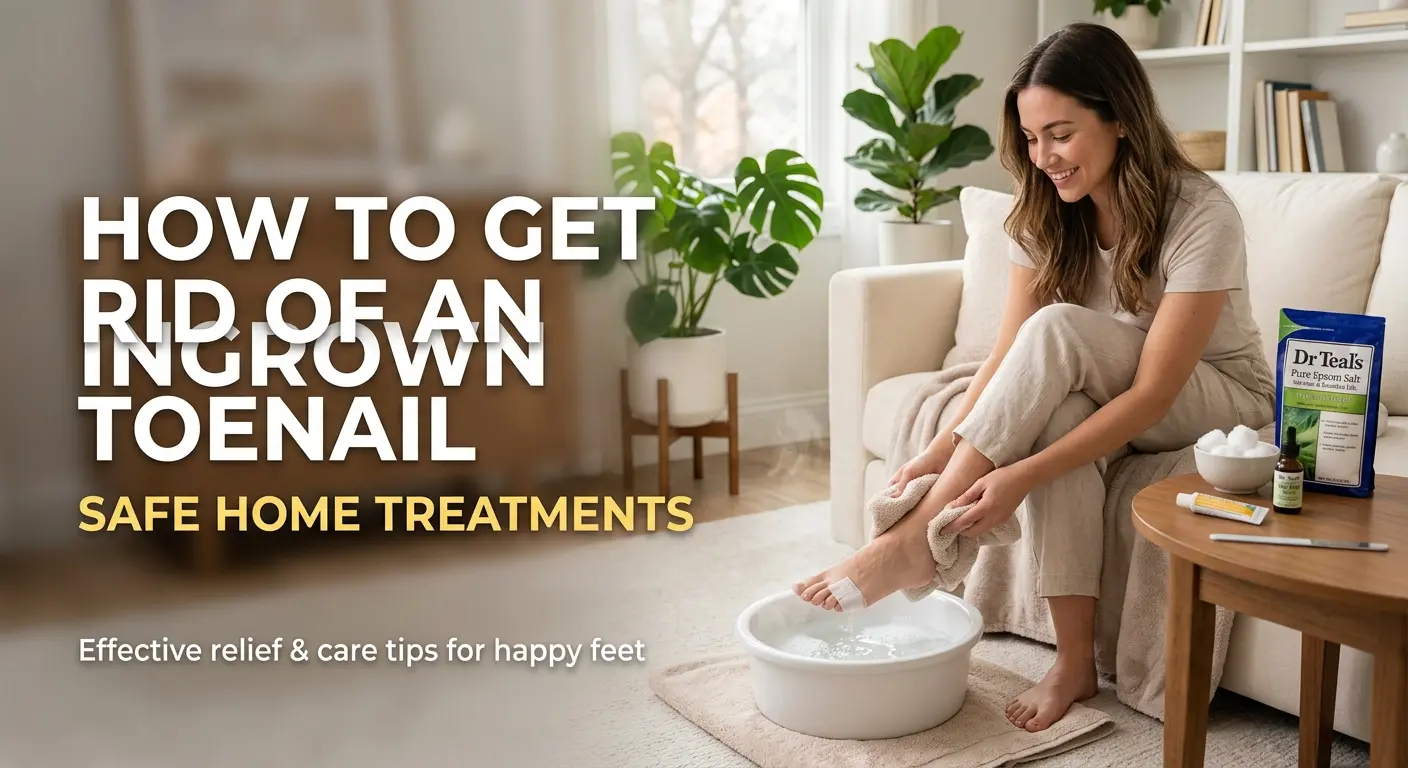
To get rid of an ingrown toenail, soak your affected foot in warm water for 10–20 minutes, up to three or four times daily, gently dry the toe, and wear roomy shoes to reduce pressure. These measures may help relieve mild pain and swelling. However, do not dig into the nail or try to cut out the embedded corner yourself. If you notice pus, spreading redness, severe pain, or fever, seek medical attention. People with diabetes, poor circulation, or reduced sensation in their feet should contact a healthcare professional rather than attempting home treatment.
How to Get Rid of an Ingrown Toenail at Home
An ingrown toenail develops when the edge of a nail presses into or grows into the surrounding skin. It most often affects the big toe and can cause tenderness, redness, swelling, and difficulty wearing shoes.
Readers can also follow related coverage through UK Big Breaking News.
If the problem is mild and there are no signs of infection or other risk factors, the following steps may help you manage the discomfort while the nail grows out.
Step 1: Soak Your Foot in Warm Water

Fill a clean basin with comfortably warm water and soak your affected foot for 10–20 minutes. You can repeat this three or four times a day while symptoms improve.
A warm soak can soften the skin around the nail and ease tenderness. Plain warm water or mild soapy water is sufficient; you do not need expensive products.
After soaking:
- Remove your foot from the water carefully.
- Gently dry the toe with a clean towel.
- Keep the foot dry for the rest of the day.
- Stop soaking if the skin becomes irritated.
Avoid very hot water, especially if you have reduced sensation in your feet.
Step 2: Dry and Protect the Affected Toe
Once the toe is dry, protect the irritated area from friction and pressure. If the skin is tender or rubbing against your shoe, a clean, non-tight dressing can help keep it protected.
Change the dressing if it becomes wet or dirty. Do not wrap the toe so tightly that it creates additional pressure.
Petroleum jelly may help protect irritated skin when appropriate, but it will not remove the ingrown portion of the nail. If you notice pus, increasing warmth, spreading redness, or worsening swelling, arrange medical assessment rather than relying on ointments.
Step 3: Reduce Pressure on the Toenail

Tight footwear can press the nail edge into the surrounding skin, making an already painful toe more uncomfortable.
Choose footwear that gives your toes enough room to move. Open-toed sandals may be comfortable temporarily if they protect the toe adequately and are safe for your surroundings.
You should also:
- Avoid narrow, pointed shoes.
- Choose comfortable socks that do not squeeze the toes.
- Reduce activities that repeatedly strike or compress the affected toe.
- Avoid running or sports that worsen the pain until the toe improves.
Reducing pressure does not always correct the nail’s growth, but it can make everyday movement more comfortable.
Step 4: Manage Ingrown Toenail Pain Safely
For mild discomfort, warm soaks, suitable footwear, and protecting the toe may be enough to help.
An over-the-counter pain reliever such as paracetamol (acetaminophen) or ibuprofen may also help if it is appropriate for you. Follow the product label and ask a pharmacist or healthcare professional if you are unsure whether a medicine is safe, particularly if you take other medications or have existing health conditions.
Pain relief can make walking more comfortable, but it does not correct the nail’s position or treat an established infection.
If pain becomes severe, continues to worsen, or interferes substantially with walking, seek medical advice.
Step 5: Avoid Digging Into the Nail
Do not use scissors, tweezers, needles, or other tools to dig into the skin or cut out the nail corner. Trying to remove the embedded edge yourself can injure the surrounding tissue and worsen the problem.
Some medical guidance describes carefully lifting the edge of a mildly ingrown nail with a tiny piece of cotton or dental floss. However, this is not appropriate for every case. Do not force anything under the nail, particularly if the area is painful, swollen, bleeding, or potentially infected. If you are unsure, have a healthcare professional assess it.
Important: If you have diabetes, poor circulation, nerve damage, or reduced sensation in your feet, do not attempt to manage an ingrown toenail yourself. Seek professional guidance promptly.
Can You Treat an Ingrown Toenail at Home?
Yes, some mild ingrown toenails can improve with home care, especially when there is only minor tenderness and no infection.
The appropriate treatment depends on the severity of the problem.
| Situation | Recommended approach |
|---|---|
| Mild tenderness and slight redness | Gentle warm soaks, dry the toe, and wear roomy shoes if you have no high-risk condition |
| Persistent pain or swelling | Arrange an appointment with a healthcare professional |
| Pus, spreading redness, or worsening pain | Seek prompt medical assessment |
| Fever or feeling hot and shivery with toe symptoms | Seek urgent medical advice |
| Diabetes, poor circulation, or nerve damage | Contact a healthcare professional promptly; avoid self-treatment |
Home treatment is intended to relieve symptoms in suitable mild cases. It should not delay professional care when infection or complications are possible.
What Does an Ingrown Toenail Look Like?
An ingrown toenail usually affects one side of the nail, where the nail edge presses into the surrounding skin. The big toe is the most common location, although other toes can be affected.

Common symptoms include:
- Pain and tenderness: The side of the nail hurts when touched or pressed by footwear.
- Redness: The skin beside the nail looks irritated.
- Swelling: The nail fold may become puffy or inflamed.
- Difficulty wearing shoes: Pressure from footwear makes the toe more painful.
- Possible infection: Pus, increasing warmth, worsening swelling, or spreading redness can indicate infection.
Not every red or painful toe is an ingrown toenail. An injury or another nail or skin condition can cause similar symptoms. A healthcare professional can examine the toe if the cause is unclear or symptoms persist.
What Causes Ingrown Toenails?
Ingrown toenails develop when the nail edge presses into the surrounding skin. Several factors can contribute to the problem.
Cutting Toenails Incorrectly
Cutting toenails too short or rounding the corners can encourage the nail edge to grow into the skin.
For most people, trimming the nails straight across and avoiding excessively short cuts helps reduce the risk.
Wearing Tight Shoes
Shoes with a narrow toe box can squeeze the toes together and place pressure on the nail edges. Poorly fitting socks can contribute to discomfort as well.
Toenail Injuries
Repeated pressure, stubbing a toe, or an injury during sports can damage the nail or surrounding skin and contribute to an ingrown toenail.
Naturally Curved Nails
Some people have toenails that curve more sharply toward the skin. This shape can make ingrown toenails more likely to develop, even with careful nail trimming.
Repeated Nail Trauma
Frequent pressure from running, kicking, or other activities can irritate the nail fold and increase the likelihood of a recurring problem.
Understanding the cause can help you choose better footwear and nail-care habits to reduce future episodes.
What Not to Do When You Have an Ingrown Toenail
Some common home remedies can cause more harm than good if they injure the skin or delay appropriate treatment.
Avoid these mistakes:
- Do not cut deeply into the nail corner. This can injure the skin and make the problem worse.
- Do not pick or tear at the nail. Pulling at the edge can damage the nail fold.
- Do not squeeze pus or swollen skin. This may cause additional injury and will not correct the underlying problem.
- Do not wear tight footwear. Added pressure can increase pain.
- Do not rely on antibiotics without medical advice. A clinician should determine whether an infection needs treatment.
- Do not ignore worsening symptoms. Increasing pain, spreading redness, drainage, or fever needs medical attention.
Avoid using concentrated vinegar, harsh chemicals, or other irritating substances on damaged skin. They are not a substitute for evidence-based care.
If the nail is deeply embedded or the toe appears infected, a clinician can recommend a safer treatment.
When to See a Doctor for an Ingrown Toenail
Not every ingrown toenail requires a procedure, but some symptoms mean you should not continue treating it at home.
Seek prompt medical assessment if you experience:
- Pus or other drainage from the nail fold.
- Increasing redness, warmth, or swelling.
- Severe or worsening pain.
- Redness spreading beyond the immediate nail area.
- Fever, chills, or feeling generally unwell.
If you have diabetes, poor blood circulation, nerve damage, or reduced sensation in your feet, contact a healthcare professional promptly even if the problem looks minor. These conditions can increase the risk of complications and make an injury harder to recognize.
If gentle home care is not helping after a few days, or the ingrown toenail keeps returning, arrange an appointment rather than repeatedly attempting to remove the nail yourself.
How Doctors Treat Ingrown Toenails
Treatment depends on how deeply the nail has grown into the skin, whether infection is present, and whether the problem keeps recurring.
Conservative Treatment
For a mild ingrown toenail, a healthcare professional may recommend soaking, suitable footwear, or carefully separating the nail edge from the skin. Depending on the case, they may use a small splint or another technique to guide the nail as it grows.
Professional assessment is especially useful if the nail edge is difficult to reach or home care has not worked.
Partial Toenail Removal
For a more painful or persistent ingrown toenail, a clinician may numb the toe with a local anesthetic and remove the portion of the nail that is growing into the skin.
This procedure is called a partial nail avulsion. It removes the troublesome edge without necessarily removing the entire nail.
The clinician will provide instructions for cleaning, dressing, and protecting the toe afterward. The removed section may take approximately two to four months to grow back.
Treatment for Recurring Ingrown Toenails
If the same nail repeatedly grows into the skin, a clinician may recommend removing the affected portion of the nail and treating the corresponding nail-producing tissue to reduce recurrence.
The best option depends on the nail’s shape, previous treatments, and the person’s health.
Are Antibiotics Necessary?
Antibiotics are not automatically needed for every ingrown toenail. A healthcare professional can assess whether an infection is present and whether antibiotics or another treatment is appropriate.
A nail procedure may be needed when the nail itself is causing persistent pressure or the condition is severe. Antibiotics alone do not correct an embedded nail edge.
How Long Does an Ingrown Toenail Take to Heal?
Recovery time depends on the severity of the ingrown toenail, the treatment used, and whether infection or other complications are present.
- Mild cases: Symptoms may begin to improve within a few days of appropriate home care, although the nail may take longer to grow beyond the irritated skin.
- Nail-edge lifting or splinting: The nail may need several weeks to grow past the skin edge. Mayo Clinic notes that this process can take approximately two to 12 weeks.
- Partial nail removal: The affected nail section may take approximately two to four months to grow back.
These time frames are not guarantees. Persistent pain, worsening inflammation, drainage, or a toe that is not healing should be assessed by a healthcare professional.
How to Prevent Ingrown Toenails
A few consistent foot-care habits can lower the chance of developing another ingrown toenail.
Trim Toenails Straight Across

Use clean nail clippers and trim the nail straight across. Avoid cutting it too short or rounding the corners deeply into the sides.
If your nails are unusually thick or difficult to trim, ask a healthcare professional for help.
Wear Properly Fitting Shoes
Choose shoes with enough space around the toes. The nail should not be continuously pressed against the sides or front of the shoe.
Replace footwear that has become too tight or causes repeated rubbing.
Keep Feet Clean and Dry
Wash your feet regularly and dry them thoroughly, including around the toes. Clean, dry feet help maintain healthy skin and make it easier to notice changes around the nails.
Avoid Picking at Toenails
Do not tear off nail corners or dig under the nail with sharp tools. If a nail edge is uncomfortable or difficult to trim, seek professional guidance.
Pay Attention to Recurring Problems
If ingrown toenails repeatedly affect the same toe, ask a healthcare professional about the underlying cause and longer-term treatment options. People with diabetes or circulation problems should follow their clinician’s recommended foot-care routine
Frequently Asked Questions
How do you get rid of an ingrown toenail fast?
For a mild ingrown toenail, soak your foot in warm water for 10–20 minutes, dry it carefully, and wear roomy shoes. Avoid cutting into the nail. Seek medical care if symptoms worsen or you notice signs of infection.
Can an ingrown toenail heal on its own?
Some mild ingrown toenails improve as the nail grows beyond the irritated skin. Gentle home care can relieve discomfort, but persistent or severe cases may require professional treatment.
Should you cut out an ingrown toenail?
No. Cutting deeply into the nail corner or digging under the skin can cause injury and worsen the condition. A healthcare professional can safely remove the embedded portion when necessary.
Is salt water good for an ingrown toenail?
Warm water with a little salt is commonly recommended for soaking an ingrown toenail. Plain warm water or mild soapy water can also help soften the surrounding skin and relieve tenderness. Keep the toe dry after soaking.
How do you know if an ingrown toenail is infected?
Signs that may indicate infection include pus, increasing redness, warmth, swelling, and worsening pain. Fever, chills, or redness spreading beyond the nail area are additional warning signs that require prompt medical assessment.
Can you use hydrogen peroxide on an ingrown toenail?
Do not rely on hydrogen peroxide to treat an ingrown toenail. It does not correct the embedded nail edge and may irritate damaged tissue. Gentle cleaning and appropriate medical advice are safer approaches, particularly if the toe appears infected.
Does an ingrown toenail need surgery?
Not always. Mild cases may improve with conservative treatment. For severe, persistent, or recurring cases, a clinician may remove part of the nail, sometimes treating the nail-producing tissue to reduce the likelihood of recurrence.
How long should you soak an ingrown toenail?
For suitable mild cases, a common recommendation is 10–20 minutes per soak, three or four times daily. Dry the toe thoroughly afterward. Stop relying on home treatment if symptoms worsen or fail to improve.
Can you walk with an ingrown toenail?
You may be able to walk if the pain is mild, but pressure from footwear can make symptoms worse. Wear comfortable shoes and reduce activities that aggravate the toe. Severe pain or difficulty walking warrants medical assessment.
What is the best treatment for an infected ingrown toenail?
An infected ingrown toenail should be assessed by a healthcare professional. Treatment depends on the severity of the infection and the nail’s position. Antibiotics may be appropriate in some cases, while an embedded nail may also require a procedure. Do not attempt to drain or cut out the affected area yourself.
Conclusion
The best way to get rid of an ingrown toenail depends on its severity. Mild cases may improve with warm water soaks, careful drying, and footwear that does not press against the toe. Avoid cutting into the nail or trying to remove an embedded corner yourself.
If the toe becomes increasingly painful, swollen, or infected, seek medical attention. People with diabetes, poor circulation, or reduced foot sensation should get professional advice promptly rather than attempting home treatment.
The most important takeaway is simple: relieve pressure, protect the toe, and recognize when professional treatment is needed. Early, appropriate care can help prevent a small nail problem from becoming a more serious one.