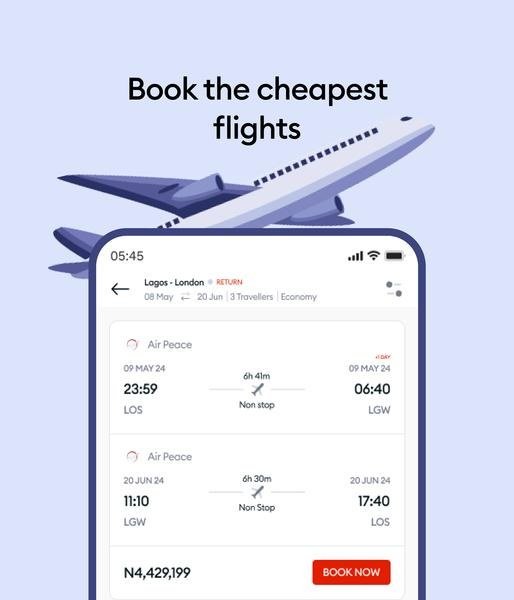
You’ve probably had this experience: you book a flight, then discover the person next to you paid $200 less for the same seat. Or you watch hotel prices bounce around like a stock ticker with no logic you can discern. Travel pricing feels rigged because, in a sense, it is — airlines and hotels use sophisticated AI to charge everyone the maximum they’ll pay. But here’s the thing: you can fight AI with AI. Here’s how AI can help you find cheaper flights and hotels, turning the pricing game back in your favor.
I’ll be straight with you: there’s no magic trick that halves every fare. Anyone promising that is selling something. What AI does is systematically apply the dozens of small optimizations — timing, flexibility, routing, price tracking — that collectively save 20-40% on most trips. It’s not one big hack; it’s the disciplined application of many small edges. That’s exactly what AI is good at.
How AI Finds Cheaper Flights and Hotels: The Tactics
Price prediction and timing. Tools like Google Flights’ price tracking, Hopper’s prediction AI, and Kayak’s price forecasts analyze billions of data points to advise: buy now or wait? Hopper claims 95% accuracy on price predictions, and while that’s marketing-tinged, the directional advice is genuinely useful. The core insight AI delivers: for domestic US flights, the sweet spot is typically 1-3 months out; for international, 2-6 months. But it varies by route — which is why route-specific AI predictions beat generic rules.
Flexible search superpowers. Google Flights’ explore map (“show me everywhere I can fly for under $400 in March”), flexible date grids, and nearby airport comparisons are AI-powered features that surface deals you’d never find manually. The single biggest money-saver in travel: flexibility. Travelers who can shift dates by a few days or consider nearby airports routinely pay 30-50% less. Ask AI chatbots directly: “What are the cheapest weeks to fly from Chicago to Lisbon this spring?” — then verify with actual searches.
Hidden-city and repositioning logic. AI can identify when booking a longer itinerary and skipping the last leg (hidden-city ticketing) or positioning yourself via a cheap separate flight saves money. Caution: hidden-city ticketing violates most airlines’ terms — it works, but know the risks (no checked bags, potential frequent-flyer consequences).
Alert automation. Set price alerts on Google Flights, Hopper, and Skyscanner for your routes months in advance. Let AI monitor while you live your life. When an alert hits your target price, book — hesitation kills deals. This passive monitoring is the highest-ROI travel habit: five minutes of setup, months of AI vigilance.
Mistake fares and deal curation. Services like Going (formerly Scott’s Cheap Flights) use a combination of AI scanning and human curation to surface mistake fares and exceptional deals. The free tier is useful; the paid tier ($49/year) pays for itself with a single international deal alert.
How AI Finds Cheaper Hotels
Price comparison across platforms. Google Hotels, Kayak, and TripAdvisor aggregate prices across booking sites — but the AI layer that matters is price trend analysis: “this hotel is usually $180, now $140 — good deal” versus “this is peak pricing, wait.” Always compare against booking direct: hotels often match or beat aggregator prices when you call, plus you get better cancellation terms and loyalty points.
Neighborhood and timing optimization. Ask AI: “What neighborhoods in [city] offer good value — safe, well-connected, but cheaper than the tourist center?” and “What dates should I avoid due to local events driving up prices?” AI’s synthesis of local knowledge helps you dodge the conference or festival that triples rates.
Alternative accommodation analysis. AI can compare hotels versus vacation rentals versus hostels for your specific trip — factoring in group size, kitchen needs, location, and length of stay. For week+ stays or groups, rentals often win dramatically; for short solo trips, hotels usually do.
Loyalty program strategy. The unsexy secret of cheap hotels: loyalty programs. AI chatbots can explain which program fits your travel patterns and how to maximize points. A free night earned through strategic booking beats any discount code.
The Rules That Actually Save Money
- Book direct when prices are close. Within $10-20 of aggregator prices, book direct — better service, easier changes, loyalty credit.
- Clear cookies / use incognito for searches. The evidence for personalized price inflation is debated, but incognito searching costs nothing and eliminates the possibility.
- Tuesday/Wednesday travel is real. Midweek flights and hotel nights are consistently cheaper. If your schedule allows, this single choice often saves the most.
- Consider the total trip cost. A $50 cheaper flight into a distant airport can cost $80 in ground transport. AI itinerary planning (see our vacation itinerary guide) optimizes the whole trip, not just one component.
- Know your rights. The US Department of Transportation’s air consumer protection page covers refunds, fee disclosures, and your rights during cancellations and delays — essential knowledge when chasing deals across airlines.
A final tip that compounds all the others: flexibility is the ultimate discount. Travelers who can shift dates by even a few days, consider nearby airports, or travel in shoulder season routinely pay 30-50% less than those locked into peak dates. Set up price alerts months before you need to book, and let the AI do the watching while you live your life. When an alert hits your target price, book it — hesitation kills deals. And once your flights are sorted, use the same AI approach for the rest of the trip: our guide to planning a vacation itinerary with AI turns cheap flights into a complete, well-planned getaway. For official consumer protections on airfare — refunds, fee disclosures, and your rights when things go wrong — the US Department of Transportation’s air consumer protection page is essential bookmarking.
The Bottom Line
AI helps you find cheaper flights and hotels through price prediction, flexible search, automated alerts, deal curation, and total-trip optimization. The system: set alerts months ahead, stay flexible on dates and airports, compare direct booking against aggregators, travel midweek when possible, and book when alerts hit your target — don’t hesitate. No single trick halves your costs, but disciplined AI-assisted booking reliably saves 20-40%. The airlines use AI to maximize what you pay; now you’re using AI to minimize it. Fair fight, finally. Set up your first price alert today — future vacation you will be grateful.