You try to send $50 of crypto to a friend. The wallet shows a “gas fee” of $8. You wait an hour, try again — now it’s $3. Next morning it’s $12. What is this sorcery, and why does moving digital money cost real money at all? Gas fees are the most confusing unavoidable cost in crypto — and the best way to understand them before sending coins is simpler than the jargon suggests: you’re bidding for space on a crowded highway.
Here’s the plain-English guide for Americans: what gas is, why it changes, and how to never overpay again.
Gas: Fuel for the Blockchain Highway
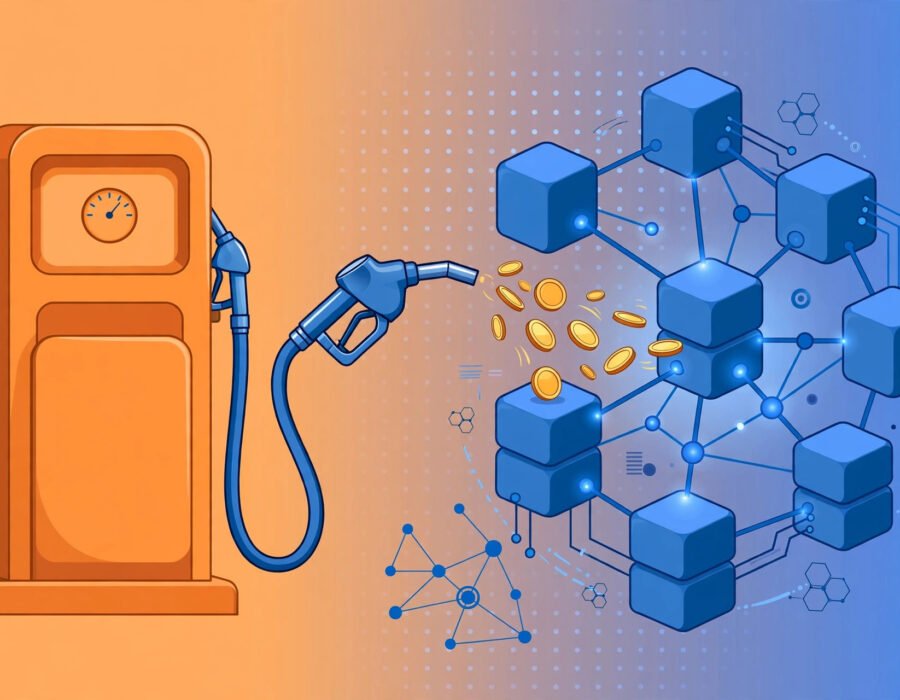
Every crypto transaction needs computational work — validators or miners must process, verify, and permanently record it. Gas is the fee you pay for that work, denominated in the blockchain’s native currency (ETH on Ethereum, SOL on Solana, etc.). The name comes from Ethereum’s early days: like gasoline powering a car, gas powers your transaction’s journey through the network.
Crucially, gas is separate from the amount you’re sending. Sending $10 or $10,000 costs the same gas — you’re paying for computational complexity, not value transferred. A simple transfer is cheap; interacting with a complex DeFi contract costs more because it demands more computation. This is why “the fee was more than the transfer” happens with small amounts — the highway toll doesn’t care that you’re driving a cheap car.
Why Gas Prices Change Constantly
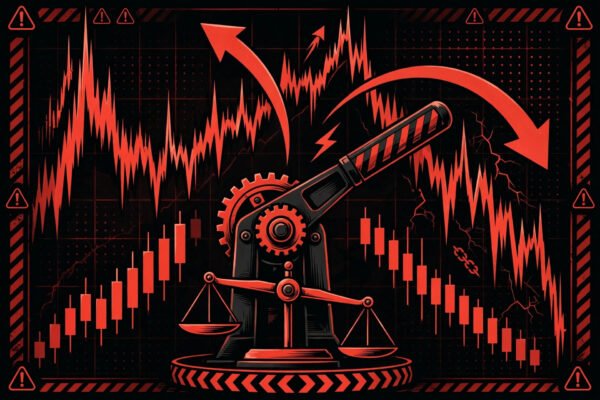
Block space is limited — each block fits only so many transactions — so when demand exceeds supply, users bid against each other. Gas prices are that auction in real time. A quiet Sunday morning: empty highway, pennies per transaction. A hyped NFT mint or market panic: gridlock, with fees spiking 10–50x as everyone bids for the same limited space.
Ethereum’s fee market has two components since its 2021 upgrade: a base fee (set automatically by network congestion, burned/destroyed) and a priority fee or “tip” (your bid to validators to include you sooner). Your wallet estimates both, but wallets often overestimate to ensure inclusion — meaning beginners routinely pay more than necessary. Checking a free gas tracker before transacting shows current prices in plain terms (often quoted in “gwei,” billionths of an ETH) and tells you whether now is cheap or expensive.
The Five Ways Beginners Overpay
One: transacting at peak hours. U.S. weekday afternoons and major market events are the rush hours. Shifting non-urgent transactions to weekends or late nights routinely halves fees. Two: using Ethereum mainnet when a Layer 2 would do. Base, Arbitrum, and Optimism offer the same Ethereum security at a fraction of the cost — if your coins and destination support L2s, mainnet is a luxury tax. Three: accepting the wallet’s default “fast” setting. Wallets default to speedy (expensive) inclusion; the “slow” option often confirms in minutes for far less. Four: failed transactions. Setting gas too low means the transaction fails — and you still pay for the attempt. Five: approval transactions. First-time interactions with a token or app require a separate approval transaction with its own fee; batch your first-time setups rather than approving tokens one by one across days.
The same leak-plugging mindset behind saving money on everyday expenses applies here — gas is a recurring cost, and small optimizations compound across every transaction you ever make.
Estimating Before You Send: The Pre-Flight Check
Before any significant transaction, run this thirty-second check. Open a gas tracker and note the current price tier. In your wallet, compare its suggested fee against the tracker — if the wallet suggests double, manually lower it toward the tracker’s “standard” rate. Consider whether the transaction is urgent: if not, wait for a cheaper window. For large or complex transactions (DeFi interactions, NFT mints), simulate first if your wallet offers it — seeing the exact fee before committing eliminates surprises.
Also verify you’re on the right network before worrying about gas — paying a fee to send coins on the wrong chain is the most expensive gas mistake of all, and it’s unrecoverable. Network first, fee second, send third.
Gas on Different Chains: A Quick Comparison
Not all highways charge the same tolls. Ethereum mainnet: the expensive interstate — secure, congested, $1–20+ per transaction depending on demand. Ethereum L2s (Base, Arbitrum): the express lanes — cents per transaction, Ethereum-grade security. Solana: fractions of a cent, sub-second confirmation — the budget airline of blockchains. Bitcoin: variable, priced by transaction size in bytes and demand — can be dollars during congestion, pennies when quiet.
For Americans moving small amounts, the practical rule is simple: default to the cheapest chain that supports what you’re doing. There’s no prize for paying mainnet fees on a transaction an L2 handles identically.
Security Around Gas: The Scams
Gas confusion is prime scam territory. Fake “gas fee refund” sites, “transaction accelerator” services demanding upfront crypto, and support impersonators claiming your stuck transaction needs a “release fee” — all theft. No legitimate service charges extra to “release” your transaction, and speeding up never requires sending coins to a stranger. Protect the accounts involved: set up two-factor authentication on your accounts and learn how to spot scam text-message links, because gas-related phishing preys on confused beginners exactly when they’re most vulnerable.
Tax Note: Gas Fees Count
Gas fees aren’t just costs — they’re tax-relevant. Fees paid on purchases add to your cost basis (reducing future taxable gains); fees on sales reduce your proceeds. Track them: over a year of active DeFi use, gas can total hundreds or thousands of dollars of basis adjustments. The IRS virtual currency FAQ covers the treatment, and Investor.gov reinforces why cost-tracking is part of every investor’s job.
Conclusion
Crypto gas fees are simply the market price of limited block space — an auction you can win by timing transactions for quiet periods, using Layer 2 networks, overriding wallet defaults, and never paying for failed or wrong-network sends. Check a gas tracker before every significant transaction, treat the fee as part of the total cost, and track it all for taxes. The highway always has tolls; smart drivers just learn when the tolls are cheapest and which roads to take. In 2026, with L2s mature and trackers free, there’s no reason to ever overpay for gas again — except not knowing you could avoid it.
Frequently Asked Questions
Why is my gas fee higher than the amount I’m sending?
Gas pays for computation, not value transferred — a simple transfer costs the same whether it’s $10 or $10,000. On congested networks, that flat toll can exceed small transfers. Use a cheaper network for small amounts.
What is gwei?
A gwei is a billionth of an ETH — the unit gas prices are quoted in. If gas is 20 gwei and your transaction uses 21,000 gas units, the fee is 420,000 gwei, or 0.00042 ETH. Trackers convert this to dollars automatically.
Can I get a refund on a failed transaction’s gas fee?
No. Validators did the computational work of attempting your transaction, so the fee stands even when it fails. This is why setting adequate (not minimal) gas matters — a failed cheap transaction costs more than a successful standard one.
Are gas fees tax-deductible?
They’re generally added to cost basis (for buys) or reduce proceeds (for sells) rather than deducted directly. Keep records — the Consumer Financial Protection Bureau’s Ask CFPB resources can point you to qualified tax guidance.