
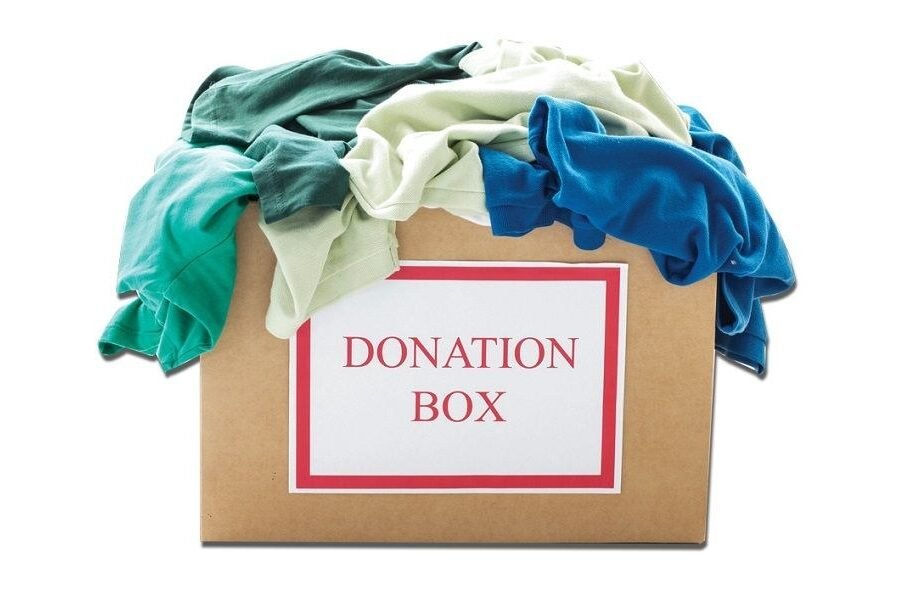
You’ve decluttered. Now you’re staring at six bags of clothes, and the nearest donation bin feels… questionable. If you’re asking how to donate old clothes responsibly, here’s the uncomfortable truth: a lot of donated clothing ends up in landfills — overseas or at home. But done right, your old clothes genuinely help people and stay out of the waste stream. Here’s how to do it responsibly.
The Reality of Clothing Donation
Only about 10–15% of donated clothes are resold in US thrift stores. The rest is: sold to textile recyclers, shipped overseas (where it can undercut local textile economies — a real controversy), or landfilled. This doesn’t mean don’t donate — it means donate thoughtfully, prioritizing channels where clothes actually get worn.
The Priority Order (Best to Last Resort)
- Give directly: friends, family, coworkers, Buy Nothing groups, local mutual-aid networks. The garment goes to a known person who wants it — highest use rate, zero waste.
- Clothing swaps: organized swaps (friends, community) — fun, social, everything finds a wearer.
- Targeted charities: Dress for Success (professional women’s clothing), homeless shelters (practical warm clothes), foster-care organizations. Goodwill and Salvation Army fund job programs from sales — your donation has a second mission.
- Thrift stores generally: fine for good-condition everyday clothes — the 10–15% resale rate still beats the landfill.
- Textile recycling: for worn-out items — H&M’s garment collection, Patagonia’s Worn Wear, local textile recyclers. Fibers become insulation, rags, or new yarn. Never donate rags as “clothing” — recycle them as textiles.
- Compost (natural fibers only): 100% cotton/wool/linen too far gone — cut off hardware, compost the rest.
- Landfill: the last resort for truly unusable synthetics. Be honest about what’s actually done.
Donate Like It Matters (Because It Does)
- Wash everything. Donation sorters handle thousands of items; clean donations get processed faster and respect the workers.
- Only donate wearable clothes. Stained, torn, missing buttons? That’s textile recycling, not donation. (Learn stain removal and basic repairs first — you might save the item.)
- Donate seasonally: coats in fall, not spring — shelters need winter gear before winter.
- Ask what they need: call ahead — shelters often need specific items (socks, underwear, men’s clothes) more than your old bridesmaid dress.
- Get the receipt: donations to registered nonprofits are tax-deductible — itemize roughly, photograph valuable items.
The Bigger Picture: Buy Less, Waste Less
Responsible donation starts with responsible acquisition: buying less fast fashion, choosing quality that lasts, and refreshing without buying. The most responsible donation is the one you never need to make. For the waste data, the EPA’s textile waste statistics quantify the problem.
What Happens After You Donate: The Full Journey
Ever wonder where the bag actually goes? Here’s the typical journey of donated clothing.
Sorting: donations are sorted within days — roughly 10–15% is retail-grade (sold in the thrift store), 30–40% is sold to textile recyclers and graders, and the rest is… complicated. Good condition, current styles, and complete outfits sell fastest.
Domestic resale: the best pieces sell in-store within weeks. Thrift stores price to move — your $100 jeans sell for $12, funding the charity’s programs. This is the outcome you’re picturing, and it’s real for the top fraction.
The global secondhand trade: wearable-but-unsold clothing is baled and shipped overseas — primarily to Africa and Asia. This is controversial: it provides affordable clothing but can undercut local textile industries. Some countries (Rwanda, Uganda) have restricted imports for this reason.
Textile recycling: unwearable items are shredded for insulation, industrial rags, carpet padding, or (increasingly) fiber-to-fiber recycling into new yarn. The technology is improving yearly — true circularity is coming.
The landfill remainder: fast-fashion synthetics too degraded to recycle, contaminated items, and the overflow nobody wants. This is the fraction your thoughtful donation minimizes.
Knowing the journey changes how you donate: quality in, thoughtfully sorted, to the right channel. The bag doesn’t disappear — it travels.
Donation Alternatives: Beyond the Drop-Off Bag
Donation is one exit; here are the others, ranked by impact.
Sell it (Poshmark, eBay, The RealReal): quality pieces earn real money — $20–$200 per item for good brands. The effort is real (photos, listings, shipping), so reserve selling for items worth $25+. Below that, the hourly rate isn’t worth it — donate instead.
Consignment stores: the lazy person’s selling — drop off, they price and sell, you collect 40–60%. Lower returns than selling yourself, zero effort. Best for: designer and premium contemporary pieces in excellent condition.
Textile recycling programs: H&M, Zara, and Madewell take any-brand textiles for recycling (some offer discounts). Marine Layer’s Re-Spun program turns old tees into new ones. For worn-out basics, this beats the donation bin — it skips the sorting lottery and goes straight to fiber.
Animal shelters: old towels, blankets, and t-shirts become bedding and cleaning rags. Call first — needs vary — but shelters are perpetually short of soft goods. Your stained tee’s highest calling.
Compost (natural fibers only): 100% cotton, linen, wool, and silk biodegrade — cut into strips, remove hardware, add to compost. The truly zero-waste exit for natural-fiber rags. (Synthetics never — they’d shed microplastics into your soil.)
The hierarchy: sell the valuable, consign the premium, donate the wearable, recycle the worn, shelter-donate the soft, compost the natural-fiber rags. Every garment has a best exit — the responsible donor matches the item to the channel.
Key Takeaways
- Give directly first (friends, Buy Nothing groups) — highest use rate.
- Targeted charities (Dress for Success, shelters) beat generic bins for impact.
- Textile-recycle the worn-out; never donate rags as clothing.
- Wash everything; donate seasonally; ask what they actually need.
- Get receipts — donations to nonprofits are tax-deductible.
- The best donation is buying less in the first place.
The Bottom Line
Donating old clothes responsibly means prioritizing direct giving and targeted charities, textile-recycling the truly worn, and being honest about condition. Your decluttered bags can genuinely help people — if they go to the right place in the right condition. Donate like someone’s dignity depends on it. Because it does.



1 Comment