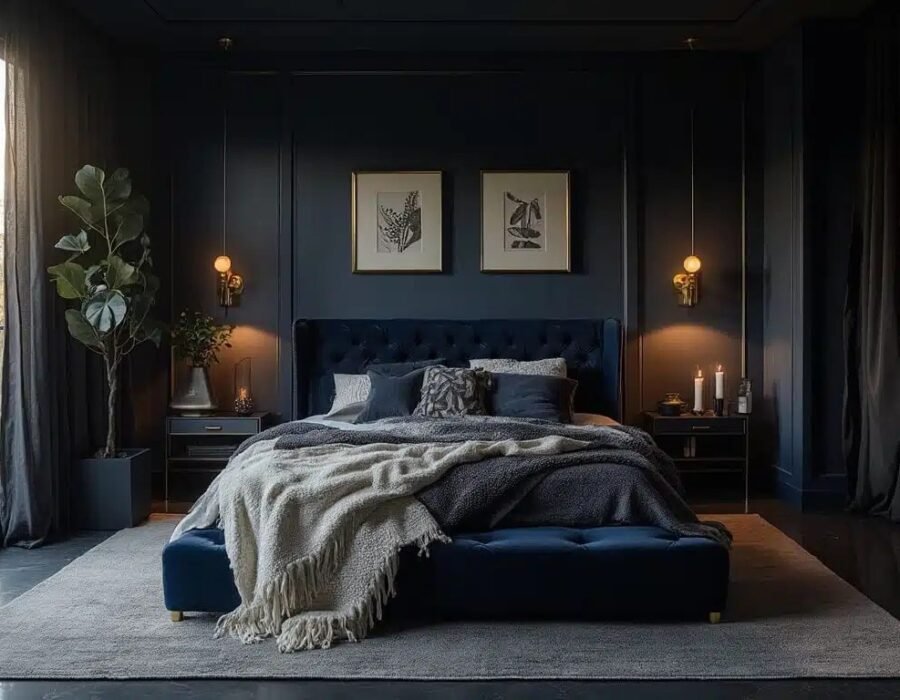
Learning how can I make my bedroom better for sleep transformed my life more than any productivity hack ever did. I used to stare at the ceiling for an hour nightly, then drag through days in a fog. The problem wasn’t insomnia exactly; it was a bedroom working against sleep: too warm, too bright, too noisy, too stimulating. Sleep scientists call this sleep hygiene, and your bedroom is its headquarters.
Your bedroom should be a cave: cool, dark, quiet, and boring. Here’s how to build one, from free fixes to worth-it upgrades.
Temperature: cool your bedroom better for sleep
Your body needs to drop its core temperature to fall asleep, and a cool room helps dramatically. The ideal sleep temperature is 65 to 68°F (18-20°C). Most bedrooms run warmer, especially in summer, fighting your biology all night. Lower the thermostat, use a fan for airflow, or try breathable bedding. Hot sleepers should consider cooling mattress toppers or moisture-wicking sheets.
If you share a bed with a human furnace, dual-zone bedding helps: separate blankets let each sleeper regulate independently. Scandinavian sleep method, two duvets on one bed, isn’t just trendy; it ends the blanket wars and improves both partners’ sleep. Temperature is the highest-impact variable most people ignore.
Darkness: make it truly dark
Light suppresses melatonin, the hormone that initiates sleep, and even dim light disrupts sleep quality. Your bedroom should be dark enough that you can’t see your hand. Blackout curtains are the gold standard; get wraparound rods that prevent light leaks at the edges. For renters, portable blackout shades with suction cups work without drilling.
Eliminate electronic glows: cover LEDs with electrical tape, turn devices face-down, or banish them entirely. A sleep mask is the $12 backup that works anywhere, including travel and bright summer mornings. The CDC’s sleep resources emphasize darkness as a cornerstone of sleep hygiene, and it’s the cheapest fix on this list.
- Blackout curtains with wraparound rods. No light leaks at edges.
- Cover or remove all LED lights. Even tiny glows disrupt melatonin.
- Sleep mask as backup for travel and summer mornings.
- Dim house lights 1 hour before bed to start melatonin production.
Quiet: control the soundscape
You don’t need silence; you need consistent sound. Sudden noises, traffic, neighbors, a partner’s snoring, fragment sleep even when you don’t fully wake. A white noise machine masks intermittent sounds with steady background hum; the classic $30 models outperform phone apps for all-night reliability. Earplugs are the nuclear option: silicone or foam, whichever you tolerate.
Address the source when possible: rugs and curtains absorb echo, weatherstripping quiets windows, and a bedroom on the quiet side of the house beats any gadget. If a partner’s snoring is the issue, that’s a medical conversation worth having; sleep apnea treatment helps you both. Consistent, boring sound all night is the goal.
The bed: mattress, pillows, and bedding
Your mattress should support spinal alignment without pressure points. There’s no universally best type; side sleepers usually need softer, back sleepers medium-firm. Replace mattresses every 7 to 10 years; a sagging mattress causes the morning back pain people blame on age. Pillow height should keep your neck neutral: thinner for back sleepers, thicker for side sleepers.
Bedding matters more than marketing suggests. Breathable natural fibers, cotton, linen, bamboo, regulate temperature better than synthetics. Wash sheets weekly; clean bedding genuinely improves sleep quality. And reserve the bed for sleep and intimacy only. Working or scrolling in bed trains your brain to associate it with wakefulness, the exact opposite of what you want. An evening routine that ends in this optimized bedroom is the complete system.
Tech boundaries: evict the stimulation
The phone by the bed is sleep’s greatest enemy: blue light delays melatonin, notifications fragment rest, and one quick check becomes 45 minutes. Charge it outside the bedroom and use a real alarm clock. This single change improves sleep more than most supplements. If you need the phone for emergencies, enable Do Not Disturb with only favorites allowed through.
Stop screens 30 to 60 minutes before bed. Replace scrolling with reading, stretching, or conversation. The content matters too: stressful news or work email before bed raises cortisol exactly when it should be falling. If you must use devices, enable night mode and keep brightness minimal. Your bedroom should be the most boring room in the house after 10 p.m., and that’s a compliment.
Scent, decluttering, and the psychology of the room
Lavender scent is genuinely associated with improved sleep quality in studies; a diffuser or linen spray adds a sleep cue your brain learns to recognize. Keep the room tidy: visual clutter raises stress, and a chaotic bedroom whispers unfinished business. A five-minute nightly reset, clothes in the hamper, surfaces clear, signals to your brain that the day is done.
Reserve the bedroom as a sanctuary. No work desk if avoidable; no exercise equipment looming; no piles of bills. If space forces multi-use, use a room divider or curtain to separate sleep from work visually. Better mornings start here too: a sleep-optimized bedroom makes early rising dramatically easier because you’re actually rested. And a naturally fresh-smelling room completes the cave: cool, dark, quiet, clean, and calm.
Reassess seasonally, because sleep needs change through the year. Summer demands blackout solutions for early sunrises and cooling strategies for heat waves. Winter needs humidity control and light therapy for dark mornings. Travel kits, a sleep mask, earplugs, and a familiar pillowcase, preserve the cave anywhere. And if you share the bed, have the explicit conversation about temperature, light, and noise preferences; compromises like separate blankets or staggered bedtimes aren’t relationship failures, they’re sleep successes. The best bedroom is the one calibrated to its actual sleepers.
The bottom line
Making your bedroom better for sleep means building a cave: 65-68°F, truly dark with blackout curtains, consistently quiet with white noise, a supportive bed used only for sleep, and phones exiled to another room. Start with temperature, darkness, and the phone ban tonight. Better sleep is the highest-leverage life upgrade there is.