
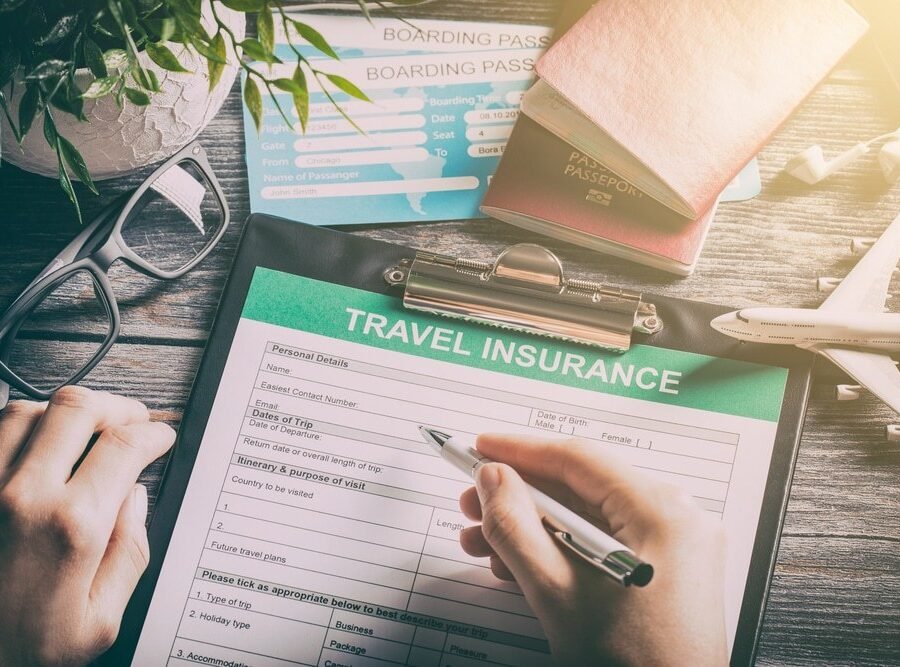
Asking is travel insurance worth it for domestic trips usually gets a sales pitch, not an answer. Insurance companies say always; frugal travelers say never. I’ve bought it for some domestic trips and skipped it for others, and the honest answer is: it depends on the trip’s cost, your health, and what coverage you already have. There’s no universal yes or no.
This guide breaks down when domestic travel insurance pays for itself, when it’s wasted money, what it costs, and the free protections you might already have.
Is travel insurance worth it for domestic trips? When yes, when no
Buy it when the trip is expensive and non-refundable. A $3,000 Alaska cruise-tour with prepaid lodges? Insure it. A $200 weekend road trip with free cancellation? Skip it. The rule of thumb: insure what you can’t afford to lose. If cancelling would hurt financially, the 4-8 percent premium buys real peace of mind.
Also buy for trips with high disruption risk or health concerns. Hurricane season in Florida, winter in the Northeast, elderly travelers, or anyone with a condition that might flare up: these raise the odds you’ll need trip interruption or medical coverage. Adventure activities like skiing or backcountry hiking add injury risk that standard health insurance might not fully cover away from home.
When it’s a waste of money
Skip insurance for cheap, flexible trips. If flights are refundable or changeable, hotels cancel free, and total exposure is under $500, the premium buys little. Also skip if your credit card already covers the main risks; many travel cards include trip cancellation, interruption, and delay protection free. Check your card’s benefits guide before buying duplicate coverage.
Don’t buy for the medical evacuation fantasy on routine trips. Your health insurance covers emergencies domestically, and medical transport within the US rarely needs special coverage. The USA.gov travel resources clarify that domestic travelers have strong existing protections. Insurance makes sense for financial risk, not for imagined catastrophes on a weekend getaway.
- Worth it: expensive non-refundable trips, high disruption risk, health concerns.
- Skip it: cheap flexible trips, full credit card coverage, low financial exposure.
- Cost: typically 4-8% of trip cost. $150-$300 for a $3,000 trip.
- Check first: credit card benefits often duplicate paid policies.
What domestic travel insurance actually covers
Trip cancellation: reimburses prepaid non-refundable costs if you cancel for covered reasons (illness, injury, death in family, sometimes job loss). Trip interruption: covers the extra costs if you must cut a trip short or get delayed, hotels, rebooking fees, meals. Travel delay: pays a daily benefit after 6-12 hour delays. Baggage: covers lost, stolen, or delayed bags beyond airline compensation.
Medical: covers deductibles and out-of-network costs if your health plan leaves gaps while traveling. Read the covered reasons carefully; cancel-for-any-reason is an expensive add-on, not standard. Pre-existing conditions need a waiver purchased within 14-21 days of the initial trip deposit. The fine print determines everything; skim it and you’ll miss the exclusions that matter.
Dealing with lost luggage at the airport is another common scenario where this coverage pays off.
What it costs and where to buy
Comprehensive domestic policies run 4 to 8 percent of the insured trip cost. A $2,000 trip costs $80-$160 to insure; a $5,000 trip runs $200-$400. Medical-only or delay-only policies cost less. Compare on Squaremouth or InsureMyTrip, which show multiple insurers side by side with real policy documents. Buy within 14 days of your first trip payment to access pre-existing condition waivers and cancel-for-any-reason options.
Avoid buying from the airline or cruise line checkout page without comparing; those policies are often overpriced and narrow. Independent insurers compete on coverage and price. And consider annual policies if you travel frequently: $300-$500 yearly covers all trips, often cheaper than per-trip policies for regular travelers. Flight cancellation coverage is one of the most-used benefits; make sure your policy’s delay thresholds match your needs.
Free protections you already have
Before buying, inventory your existing coverage. Premium credit cards (Chase Sapphire, Amex Platinum, Capital One Venture X) include trip cancellation/interruption ($10,000+ per trip), travel delay ($500+ after 6 hours), baggage delay, and rental car coverage. These benefits are free with the card’s annual fee you’re already paying. Read the benefits guide; most cardholders never realize what they have.
Health insurance covers domestic medical emergencies; call to confirm out-of-network rules for your destination state. Homeowners or renters insurance covers stolen belongings away from home, often with better terms than travel baggage coverage. Airlines owe rebooking and refunds for cancellations by federal law. Stack these free protections first, then buy insurance only for the remaining gaps.
How to decide: the 5-minute framework
Ask four questions. One: what’s my total non-refundable exposure? Under $1,000, probably skip. Two: does my credit card already cover cancellation and delay? If yes, skip unless gaps remain. Three: are there heightened risks, health, weather, complex logistics? If yes, lean toward buying. Four: would losing this money cause real hardship? If yes, the premium is worth it regardless.
Run this framework per trip, not as a blanket rule. The weekend road trip gets no policy; the $4,000 prepaid Alaska adventure gets one. That’s not inconsistency; it’s intelligent risk management. Insurance is for risks you can’t comfortably self-insure. Everything else is just expensive peace of mind you can get free from preparation.
Revisit your decision framework yearly as your travel patterns evolve. The occasional traveler and the monthly flyer need different strategies: frequent travelers often benefit from annual policies, while occasional travelers do better with per-trip decisions. Life changes matter too; a new health condition, a baby, or a job with less flexibility all shift the math toward buying coverage. Insurance isn’t a set-and-forget decision. Review it alongside your other annual financial checkups, and adjust as your risk profile changes. The right answer this year might differ next year.
The bottom line
Travel insurance for domestic trips is worth it when the trip is expensive, non-refundable, or high-risk, and not covered by your credit card. It typically costs 4-8 percent of the trip. For cheap flexible trips, skip it and rely on credit card protections plus airline refund rights. Decide per trip with the four-question framework, not by habit.




1 Comment