Someone tells you animated movies are “just for kids,” and you smile politely while thinking about the existential gut-punch of Inside Out’s climax, the moral complexity of Princess Mononoke, and the pure cinematic artistry of Spider-Verse. If you’re asking what are the best animated movies for adults, you’re asking for films that use animation not as a simplification but as a liberation — stories that could only be told this way, with emotional and thematic depth that rivals the best live-action cinema. I’ve watched hundreds of animated films as an adult, and the best ones aren’t “good for cartoons” — they’re among the best films ever made, period.
Let’s establish the premise: animation is a medium, not a genre. Saying “animated movies are for kids” is like saying “books with pictures are for kids” — it confuses the delivery method with the content. The films below tackle grief, war, identity, mortality, love, and the human condition with a sophistication most live-action films never attempt. Some are family-friendly; some are decidedly not. All are essential.
What Are the Best Animated Movies for Adults? The Masterpieces
The canon: start here
Spider-Man: Into the Spider-Verse (2018) — the film that changed animation. A visual revolution (comic-book aesthetics translated to cinema with unprecedented creativity), a genuinely moving coming-of-age story, and proof that superhero films can be art. The sequel, Across the Spider-Verse, pushes further. If you watch one animated film as a skeptical adult, make it this one — it’s the Citizen Kane argument-ender for the medium.
Princess Mononoke (1997) — Miyazaki’s epic about industrialization, nature, and the impossibility of simple moral answers. There are no villains here — only people with valid, conflicting needs. It’s violent, complex, and profoundly adult. The rare “animated film” that plays like great literature.
WALL-E (2008) — Pixar’s near-silent first act is one of cinema’s great achievements: a love story told almost without dialogue, followed by a sharp satire of consumerism and environmental collapse. The fact that it’s “a kids’ movie about a robot” is the disguise; the film is a warning and a romance.
Inside Out (2015) — a film about the necessity of sadness that made millions of adults cry in theaters. Its model of emotional psychology is genuinely insightful — therapists recommend it. The climax (Bing Bong’s sacrifice) is one of the most devastating sequences in modern cinema. “For kids” is a technicality.
Coco (2017) — a meditation on memory, family, and mortality wrapped in a visually stunning adventure. The ending lands like a physical blow. Adults with aging parents find it almost unbearably moving — and that’s the point.
International essentials
Persepolis (2007) — Marjane Satrapi’s autobiographical story of growing up during the Iranian Revolution. Stark black-and-white animation, unflinching political honesty, deeply personal. The rare animated film that’s essential history.
Waltz with Bashir (2008) — an Israeli soldier’s attempt to recover repressed memories of the Lebanon War. Animation becomes the language of trauma and memory — things live-action can’t show. Harrowing, innovative, unforgettable. Decidedly not for kids.
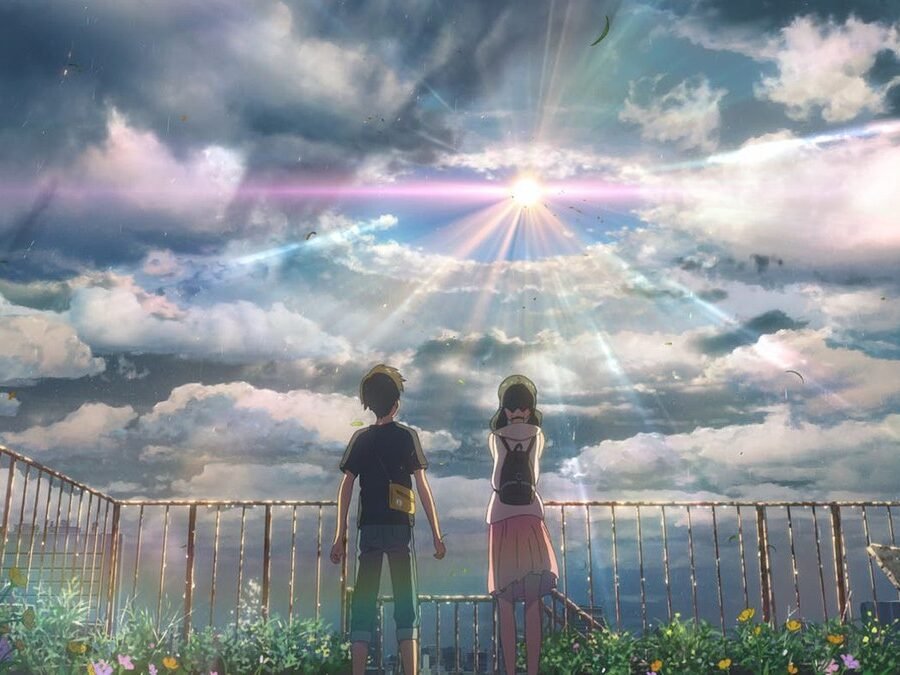
Your Name (2016) — Makoto Shinkai’s body-swap romance that became a global phenomenon. Breathtakingly beautiful, emotionally devastating, and a perfect entry point to anime for skeptics. The time-bending third act is a masterclass in narrative construction.
Wolf Children (2012) / The Boy and the Heron (2023) — Mamoru Hosoda’s meditation on parenthood; Miyazaki’s late-career dreamscape about grief and creation. Both demand adult emotional engagement.
Western animation’s adult wave
The Mitchells vs. the Machines (2021) — the funniest animated film of the decade and a genuinely moving family story. Klaus (2019) — a Christmas film that’s really about kindness as a radical act, with revolutionary 2D lighting. Guillermo del Toro’s Pinocchio (2022) — a dark, anti-fascist retelling that’s pure del Toro: mortality, disobedience, and love. Nimona (2023) — a queer-coded sci-fi adventure about identity and acceptance that major studios were afraid to make.
Anomalisa (2015) — Charlie Kaufman’s stop-motion drama about loneliness and the mundanity of existence. The most “adult” film on this list in every sense — a midlife crisis rendered in puppets, and somehow more human than most live-action dramas.
Where to Go Next: The Deeper Cuts
Once the canon hooks you: Satoshi Kon’s filmography (Perfect Blue, Paprika, Millennium Actress — psychological thrillers that influenced Aronofsky and Nolan), Isao Takahata’s Grave of the Fireflies (the saddest film ever made — approach with caution) and The Tale of the Princess Kaguya (watercolor beauty), Cartoon Saloon’s Irish folklore trilogy (Wolfwalkers especially), and Spider-Verse’s stylistic descendants.
Adult animation series deserve mention: BoJack Horseman (the definitive animated drama — addiction, depression, and Hollywood satire), Arcane (the best video game adaptation ever, animated or otherwise), Primal (dialogue-free prehistoric brutality and beauty), Scavengers Reign (alien-world wonder), and Blue Eye Samurai (a revenge epic that happens to be animated).
Watching animated films as an adult: the approach
- Drop the “kids’ movie” frame: watch for craft, theme, and emotion — the same lenses you’d apply to live-action.
- Start with your interests: sci-fi fan? Akira, Ghost in the Shell. Drama lover? Persepolis, Waltz with Bashir. Comedy? The Mitchells, Isle of Dogs.
- Try anime without prejudice: the medium’s range (from My Neighbor Totoro to Perfect Blue) dwarfs Western animation’s. One bad experience with a random series isn’t representative.
- Watch with subtitles when appropriate: dubs vary wildly in quality; the original language performances are usually definitive.
For family-friendly animation, see family movies, and for sharing older classics with the next generation, introducing kids to classic movies pairs beautifully with an animation education. For the medium’s history, the Wikipedia article on animation covers the art form’s evolution.
One viewing tip: watch the original language with subtitles when possible, especially for anime and European animation. Voice performances are directed as complete artistic choices, and dubs — even good ones — inevitably flatten some nuance. The subtitles fade from awareness within minutes; the performances stay with you.
So what are the best animated movies for adults? Spider-Verse for the revolution, Mononoke for the moral complexity, Inside Out for the emotional intelligence, Persepolis and Waltz with Bashir for the proof that animation handles the heaviest subjects, Your Name for the beauty, Anomalisa for the humanity. Animation isn’t a genre for kids — it’s cinema’s most versatile medium, and its greatest works stand with anything ever filmed. The only thing childish is dismissing them.