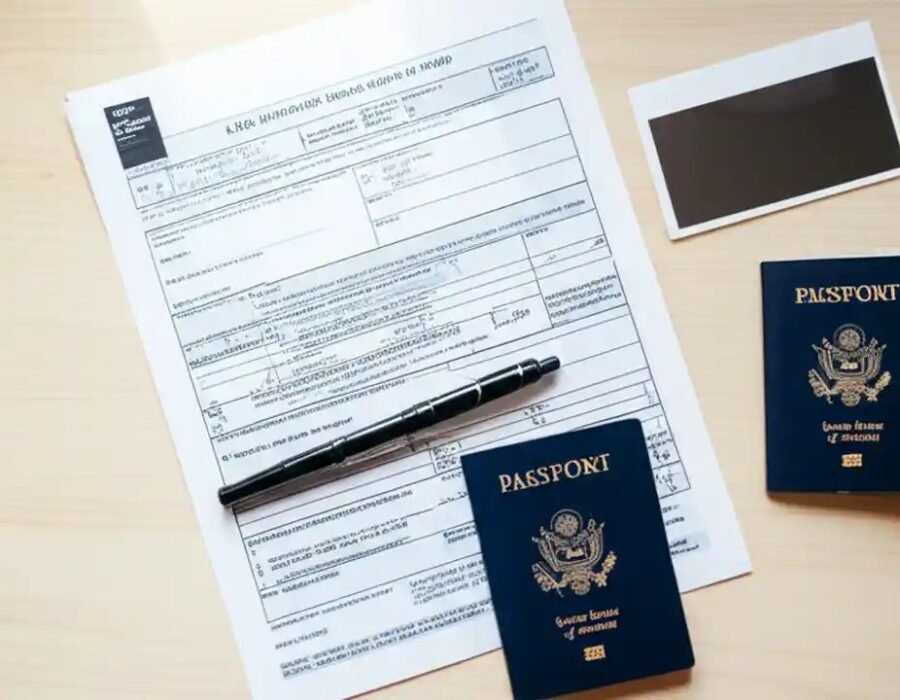
Asking why is my passport taking so long to renew usually means a trip is approaching and the panic is setting in. I once watched my passport sit in processing for 11 weeks while my international flight crept closer. The anxiety was worse than the wait because I didn’t understand what was happening or what I could do. Knowledge fixes both.
Passport delays have specific causes, and most have solutions. Here’s what’s happening, current timelines, and how to speed things up.
Why is your passport taking so long to renew? Current processing times
As of 2026, routine passport processing runs 6-8 weeks, expedited runs 2-3 weeks, not including mailing time each way. These fluctuate with demand; summer and pre-holiday surges slow everything. Your application might also be stuck in specific stages: acceptance facility backlog, transit to processing centers, adjudication queues, or printing and mailing. Each stage adds days.
The State Department publishes current processing times online; check before panicking, as your wait might be normal. Track your application status on their website using your last name, birthdate, and the last four of your Social Security number. Status updates lag reality by days, so in-process might mean further along than shown. Understanding the pipeline reduces the helpless feeling.
Common reasons for individual delays
Beyond general backlogs, specific issues delay individual applications. Incomplete applications: missing signatures, wrong photos, insufficient fees. Photo rejections are extremely common; strict requirements on size, background, and expression trip up many applicants. Name discrepancies between documents trigger manual review. Damaged passports being renewed require extra verification.
Complex cases take longer: first-time adult applications, lost passport replacements, and applications with legal name changes all face additional scrutiny. Errors on the form, even minor ones, can bounce applications back weeks. Double-check everything before submitting; prevention beats correction. If your status shows additional information needed, respond immediately with exactly what’s requested.
- Routine: 6-8 weeks. Expedited: 2-3 weeks. Plus mailing time each way.
- Photo rejections are the #1 avoidable delay. Follow specs exactly.
- Track status online; updates lag reality by several days.
- Respond immediately to any request for additional information.
How to expedite: options when time is short
If your trip is within 14 days, you can get an urgent travel appointment at a passport agency; call the National Passport Information Center to book. Bring proof of travel and all documents; agencies can often print passports same-day or within 72 hours. This is the nuclear option that works when nothing else will.
Expedited service ($60 extra plus overnight delivery fees) cuts processing to 2-3 weeks and can be requested on new applications or added to in-process ones by calling. Overnight both directions to save a week of mailing time. Private expediting companies charge premiums for hand-carrying applications; they’re legitimate but expensive, use only State Department-authorized couriers. For most travelers, standard expediting plus patience suffices.
If you’re renewing for a child under 16, both parents generally must appear in person with the child, a requirement that surprises many families and causes delays when one parent can’t attend. Check the specific consent requirements early and arrange schedules accordingly. Child passports are valid only five years, so family travel planning must account for more frequent renewals. Build passport checks into your annual travel planning ritual.
Applying smart: avoid delays from the start
Apply 6+ months before any planned travel; the 9-month rule (apply 9 months before expiration if traveling) prevents all panic. Use the online renewal system if eligible; it’s faster than mail for straightforward renewals. Get photos done professionally at pharmacies or shipping stores; the $15 prevents the most common rejection cause. Fill forms carefully, sign where required, and include exact fees.
Mail with tracking and consider overnight delivery both ways during busy seasons. Keep copies of everything submitted. And check your passport’s expiration against destination requirements now; many countries require 6 months validity beyond your travel dates. First-time international travel preparation should start with this check.
What to do while you wait
First, verify your timeline against current published processing times; you might be within normal range. If beyond normal, call the National Passport Information Center; have your application details ready. Be politely persistent; agents can flag applications and sometimes expedite. Contact your congressional representative’s office for constituent casework; this surprisingly effective step resolves stuck applications regularly.
Don’t book non-refundable international travel until the passport is in hand, or buy travel insurance covering passport delays if you must book early. Have a backup plan: can the trip shift? Is there a domestic alternative? Managing the wait actively beats anxious refreshing of the status page.
Emergency situations: life-or-death travel
For genuine emergencies, serious illness, injury, or death of an immediate family member abroad, the State Department offers emergency passport services with same-day or next-day turnaround. Call the emergency line, provide documentation of the emergency, and visit a passport agency. These cases jump every queue; the system prioritizes real crises appropriately.
Keep your passport valid proactively to avoid ever needing emergency services for routine travel. Set a calendar reminder for 9 months before expiration. Store the passport securely but accessibly; many delays are actually lost passports discovered too late. The State Department’s passport site has the authoritative current information; check it before relying on any third-party timeline claims.
Teach the passport timeline to your travel companions, especially first-time international travelers who don’t know the system. Group trips fail when one person’s passport isn’t ready; a quick conversation months ahead prevents the crisis. Share the 9-month rule, the expedited options, and the status tracking links. Collective preparation means no one becomes the bottleneck. And keep digital copies of everyone’s passports in the group organizer’s files as backup; it’s the kind of preparation that seems excessive until it’s essential.
The bottom line
Passports take long to renew because of processing backlogs, mailing time, and common avoidable errors like photo rejections. Apply 6+ months early, use expedited service when needed, and know about urgent travel appointments within 14 days of departure. Most delays are predictable and preventable with early action. Small, consistent improvements compound into dramatically better trips over time.