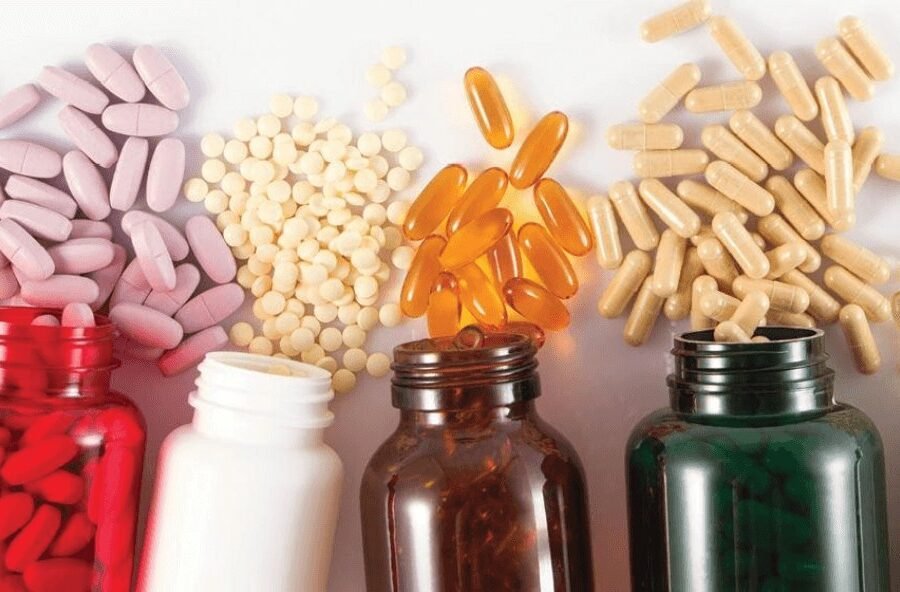
Your kitchen counter looks like a pharmacy: multivitamin, vitamin D, vitamin C, magnesium, fish oil, B-complex. You take them every morning mostly on faith. If you’re asking is it safe to take vitamins every day, here’s the nuanced answer: for most people, a basic daily multivitamin is safe — but “safe” and “useful” aren’t the same thing, and with certain vitamins, daily high doses can genuinely harm you. Let’s sort the safe from the risky.
The Short Answer
A standard daily multivitamin at ~100% Daily Value is safe for most healthy adults. Large trials find no significant benefit for most people — but also no significant harm. It’s nutritional insurance with a low premium — and for the nutrients that matter most in the darker months, boosting your immune system before winter covers vitamin D’s central role. The danger zone isn’t the basic multi; it’s high-dose individual vitamins taken daily for months, especially the fat-soluble ones (A, D, E, K) that accumulate in your body rather than washing out in urine.
Fat-Soluble Vitamins: Where Daily Dosing Gets Risky
- Vitamin A: Chronic excess causes liver damage, bone loss, and birth defects. The real risk comes from retinol supplements (not beta-carotene from carrots) — never megadose without medical supervision, especially if pregnant.
- Vitamin D: Very safe at 1,000–2,000 IU daily; toxicity requires sustained massive doses (10,000+ IU daily for months), causing dangerous calcium buildup. Get tested rather than guessing at high doses.
- Vitamin E: High doses (400+ IU daily) linked in some trials to increased bleeding risk and possibly higher mortality. There’s no reason to megadose E.
- Vitamin K: Low toxicity, but interacts with blood thinners like warfarin — keep intake consistent and tell your doctor.
Water-Soluble: Safer, But Not Unlimited
B vitamins and vitamin C clear through urine, making them more forgiving — but megadoses still have effects: B6 over 100mg daily can cause nerve damage; niacin causes flushing and liver stress at high doses; vitamin C over 2,000mg daily causes diarrhea and may raise kidney stone risk. “Water-soluble” doesn’t mean “infinite dose.”
Who Actually Benefits From Daily Vitamins?
- Vitamin D: indoor workers, northern latitudes, darker skin — deficiency is genuinely common, especially in winter
- B12: vegans, vegetarians, and adults over 50
- Folic acid: women who could become pregnant — prevents neural tube defects
- Iron: only with confirmed deficiency — never supplement blindly
- Prenatal vitamins: during pregnancy, as directed
For most everyone else eating a varied diet, the multi is optional insurance, not a health strategy. Food first — a solid meal plan delivers what pills approximate.
Rules for Safe Daily Use
- Stick near 100% Daily Value unless a doctor advises otherwise.
- More is not better — benefits plateau; risks climb.
- Check for duplicates — a multi plus individual D plus fortified foods can stack into excess.
- Buy third-party tested (USP, NSF seals) — supplement quality varies enormously.
- Tell your doctor everything you take — interactions with medications are common and sometimes serious.
- Take with food (better absorption, less nausea); take iron and calcium at different times (they compete).
For the regulatory picture, the FDA’s supplement guidance explains what’s actually overseen; the science of vitamins covers each one’s role and toxicity thresholds.
How to Read a Supplement Label Like a Skeptic
Supplement labels are marketing documents dressed as science. Here’s how to decode them.
Percent Daily Value (%DV): the most useful number on the label. Near 100% = reasonable daily dose. Over 1,000% = marketing megadose with no added benefit and possible risk — especially for B6, niacin, A, and D. There’s no prize for the highest percentage.
“Proprietary blend”: the biggest red flag in the industry. It lists a total milligrams for a blend without revealing individual doses — which means the effective ingredients are usually underdosed and the cheap fillers do the heavy lifting. If a company won’t tell you the dose, don’t buy the product.
Third-party seals: USP, NSF, or Informed Choice marks mean an independent lab verified contents and purity. Without one, you’re trusting the manufacturer’s word — and independent testing repeatedly finds mislabeled products, from underdosed vitamins to undisclosed ingredients.
“Clinically proven” and “doctor recommended”: meaningless without specifics. Which clinic? Which doctors? Real evidence names the study; marketing names the vibe.
Expiration dates: vitamins degrade — especially once opened and exposed to air, heat, and humidity. That 2019 bottle in the back of the cabinet isn’t dangerous, but it’s probably not potent either. Store in a cool, dry place (not the steamy bathroom), and replace yearly.
The skeptical shopper’s rule: simple formulations, doses near 100% DV, third-party seals, no proprietary blends, no miracle claims. Boring labels are usually the honest ones.
Reading a Supplement Label Like a Skeptic
Supplement labels are marketing documents with a facts panel. Here’s how to read them critically.
Check the % Daily Value first. Anything over 100% DV deserves a question — why the excess? For most vitamins, 100% covers needs; megadoses are the manufacturer’s bet that “more” sells. B12 is the harmless exception (excess is excreted); fat-soluble A, D, E, K are not.
Look for USP or NSF seals. Third-party verification means the bottle contains what’s claimed, in the stated amounts, without contaminants. Without a seal, you’re trusting the manufacturer’s word — and FDA testing has repeatedly found that trust misplaced.
Ignore proprietary blends. “Energy matrix 500mg” listing ten ingredients tells you nothing about doses — usually because the doses are trivial. Transparent labels list every ingredient with its amount. Blends are where pixie-dusting hides.
Watch the “other ingredients.” Fillers, binders, artificial colors, and titanium dioxide add nothing. Shorter inactive lists are generally better.
Expiration dates matter. Potency degrades — fish oil goes rancid, vitamin C oxidizes. That 2019 multivitamin in the back of the cabinet is a placebo with extra steps. Buy smaller bottles you’ll finish; store away from bathroom humidity and heat.
Key Takeaways
- A basic daily multivitamin (~100% DV) is safe for most adults — but not a substitute for good nutrition.
- Fat-soluble vitamins (A, D, E, K) accumulate — never megadose without medical guidance.
- Even water-soluble vitamins have upper limits (B6, niacin, C).
- Targeted supplementation (D, B12, folate) beats shotgun multivitamins for specific needs.
- Test, don’t guess — bloodwork beats marketing for deciding what you need.
The Bottom Line
Is it safe to take vitamins every day? At standard doses, yes — boringly safe. The risk comes from megadoses, stacked duplicates, and the false belief that pills replace food. Keep it simple, keep it near 100% DV, and spend the real effort on sleep, vegetables, and movement. Those outperform the entire supplement aisle.