Every October, my medicine cabinet transforms: vitamin C, zinc, elderberry — the full arsenal appears like clockwork. If you’re asking how to boost your immune system before winter, you’re asking at exactly the right time. Winter brings surging respiratory viruses, shorter days, and slipping defenses. The good news? You don’t need expensive supplements or miracle products. The fundamentals work — if you start them now, while you’re still healthy.
A Reality Check on “Boosting”
Something the supplement industry won’t tell you: you can’t supercharge immunity beyond its healthy baseline, and you wouldn’t want to — overactive immunity causes allergies and autoimmune disease. What you can do is stop running on empty. Think of it as making sure the engine has oil and fuel, not installing a turbocharger. The CDC’s guidance on staying healthy through cold and flu season reinforces these same basics.
Sleep: Your Immune System’s Night Shift
If you change one thing, make it this. During sleep, your body produces infection-fighting cytokines. People sleeping under six hours nightly are far more likely to catch colds when exposed. Aim for 7–9 hours with a consistent schedule — weekends included. I know it’s the hardest advice to follow, and the data is genuinely striking. If falling asleep is the struggle, drug-free ways to fall asleep faster actually work.
Eat for Your Immune System
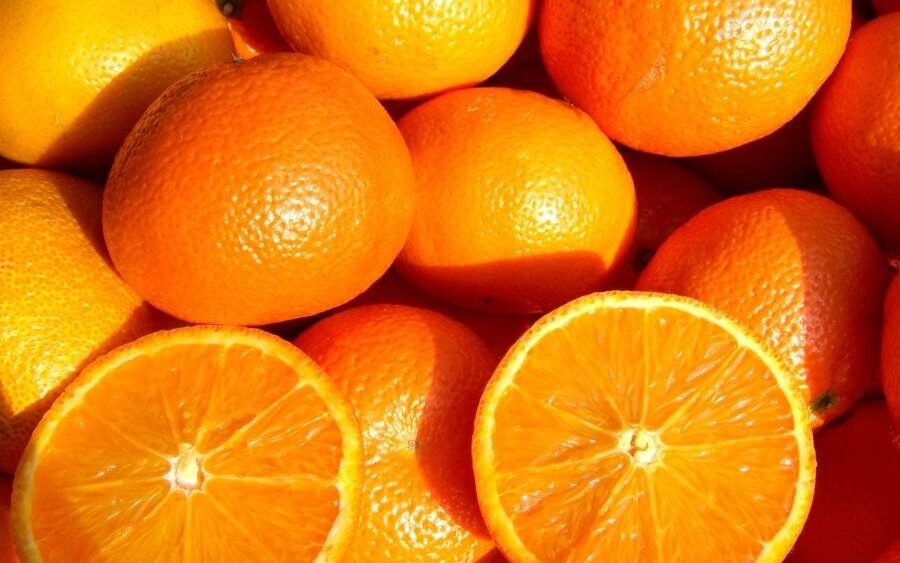
- Vitamin C — citrus, bell peppers, strawberries, broccoli. Supports immune cell function; food beats pills.
- Vitamin D — the big winter gap. Less sun means lower levels November–March, linked to more respiratory infections. Ask your doctor about testing.
- Zinc — meat, shellfish, lentils, chickpeas, pumpkin seeds. Lozenges at the first sign of a cold may shorten it slightly.
- Protein — antibodies are built from it. Skimping weakens immune response.
- Fermented foods — yogurt, kefir, kimchi, sauerkraut. Much of your immune tissue lives in the gut, so improving gut health is an immune strategy in disguise.
Move, Manage Stress, and Nail the Basics
Moderate exercise — brisk walking, cycling, swimming — genuinely lifts immune function by improving circulation of immune cells. Don’t suddenly double your mileage, though; extreme training temporarily suppresses immunity. Chronic stress floods you with cortisol, which suppresses immunity over time — treat stress management as preventive medicine, not luxury.
Then the unsexy essentials that outperform every supplement:
- Wash your hands. Twenty seconds, soap, done — still the single most effective habit.
- Stay hydrated. Mucous membranes defend better when moist.
- Don’t smoke; limit alcohol. Both suppress immunity. If quitting is on your list, quitting without gaining weight is doable with a plan.
- Get your flu shot. The highest-impact single action for most people.
- Ventilate indoor spaces and keep distance from visibly sick people when you can.
What About Supplements, Honestly?
If your diet is solid, most immune supplements add little. The exceptions: vitamin D in winter (genuinely common deficiency) and possibly zinc at cold onset. Elderberry and echinacea have mixed, modest evidence — unlikely to hurt, unlikely to work miracles. Spend the money on good food and a decent humidifier instead. For the science, how the immune system works is a great overview.
Your Winter Illness Survival Kit
Prevention is the strategy; preparation is the backup plan. Even with perfect habits, you’ll catch something eventually — and having supplies ready beats a midnight pharmacy run while feverish. Here’s what to stock before you need it.
The medicine cabinet: a thermometer (know your baseline — fevers are relative), acetaminophen and ibuprofen (alternate per package directions for stubborn fevers), saline nasal spray, honey (for coughs — evidence-backed), throat lozenges, electrolyte drinks or packets, and a basic cold medicine for symptom relief. Check expiration dates now; half the country’s medicine cabinets are full of expired 2019 cold medicine.
The comfort kit: a humidifier (dry winter air worsens congestion and sore throats — clean it weekly to prevent mold), herbal teas, soup ingredients or frozen soup portions, tissues, and lip balm. The humidifier deserves special emphasis: maintaining 40–60% indoor humidity measurably reduces virus survival in the air and keeps your mucous membranes defending properly.
The plan: know your telehealth options before you’re sick — many insurers offer 24/7 virtual urgent care. Know the thresholds for seeking care: difficulty breathing, chest pain, dehydration, fever over 103°F, or symptoms worsening after a week. And have a “I’m sick” protocol: who covers your responsibilities, where you’ll isolate, how you’ll notify work. Deciding this while healthy takes five minutes; deciding it while feverish takes forever.
Stock the kit in October. Future sick-you — foggy, achy, grateful — will thank present healthy-you for the foresight.
The Winter Illness Calendar: What’s Coming When
Not all winter bugs hit at once. Knowing the calendar helps you time your defenses.
October–November: rhinoviruses (common colds) surge as people move indoors and schools settle in. Hand hygiene matters most now — colds spread through hands and surfaces more than air.
December–February: flu season peaks, typically worst in January–February. This is your vaccination window — get the flu shot by Halloween for full protection when it counts. Flu spreads through droplets; crowded indoor gatherings are the risk zone.
November–April: norovirus (stomach flu) season — the cruise-ship-and-daycare nightmare. Alcohol sanitizer doesn’t kill it; soap and water does. Bleach-based cleaners for contaminated surfaces.
December–March: RSV and COVID waves tend to crest mid-winter. Same playbook: ventilation, masks in crowded indoor spaces during peaks, and staying home when symptomatic.
The meta-lesson: “immune boosting” is really about stacking small advantages — sleep, nutrition, vaccines, hygiene, stress — timed to the season. Start in September, not January. By the time flu peaks, your habits should be automatic, not aspirational. Winter doesn’t negotiate; prepare like you mean it.
Key Takeaways
- You can’t “supercharge” immunity — but you can stop undermining it.
- Sleep 7–9 hours: the single highest-leverage immune habit.
- Cover vitamin D, zinc, protein, and fermented foods through diet.
- Exercise moderately, manage stress, wash hands, get the flu shot.
- Supplements are mostly optional except vitamin D in winter — test, don’t guess.
The Bottom Line
Boosting your immune system before winter means giving your body the sleep, nutrition, movement, and low-stress environment it needs to do its job. Start now while you’re healthy, and you’ll face cold season with defenses fully stocked. Future-you, sniffling less in January, says thanks.