
That July electric bill lands like a punch — double the spring amount, triple if you have an old AC. The question why is my electric bill so high in the summer has answers that are part physics, part utility rate tricks, and part fixable waste. I’ve cut my summer bills by 40% through a series of changes, none expensive. Here’s the complete diagnosis, from the obvious to the sneaky.
The fundamental math: air conditioning is typically 50-70% of summer electricity use. Everything else is secondary. But “the AC” breaks down into equipment efficiency, thermostat behavior, rate structures, and house factors — and each has its own fixes.
Why Is My Electric Bill So High in the Summer? The AC Deep Dive
Equipment efficiency
- AC age: a 15-year-old unit (SEER 10-13) uses 40-60% more electricity than a modern SEER 16-20 unit for the same cooling. If your AC is 12+ years old, replacement math often works — especially with current tax credits for heat pumps (check energy.gov).
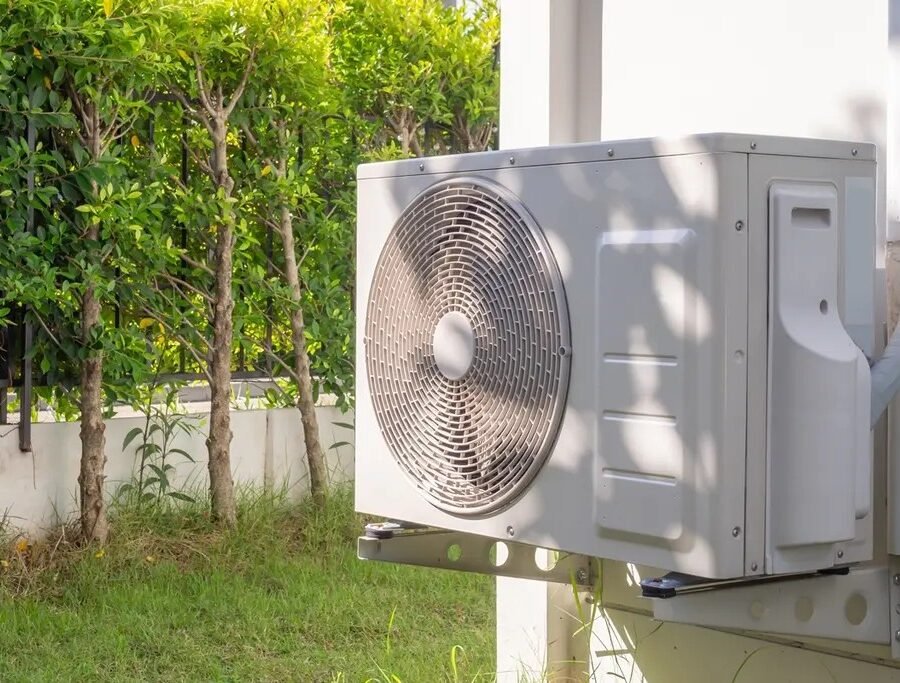
- Dirty filter/coils: a clogged filter alone increases consumption 5-15%. Check monthly in summer. Dirty condenser coils (the outside unit) — hose them gently, keep vegetation 2 feet clear.
- Low refrigerant: 10-20% efficiency loss. Needs a pro (EPA certification required to handle refrigerant).
- Oversized/undersized: counterintuitively, oversized ACs are inefficient — they short-cycle, cooling fast without dehumidifying, then restarting constantly. Proper sizing matters.
Thermostat behavior (the free fixes)
- Every degree below 78°F costs ~3% more. 72°F vs 78°F = ~18% higher bill. The DOE recommends 78°F when home, 85°F when away. I know 78°F sounds warm — but with ceiling fans running, 78°F feels like 74°F.
- Don’t crank to 65°F to “cool faster.” ACs cool at one speed; setting it lower just runs it longer. Set the target temperature, not arctic blast.
- Programmable/smart thermostat: $100-250, saves 10-15% by auto-adjusting when you’re away/asleep. The single best ROI device in the home.
- “Hold” abuse: check that temporary overrides aren’t permanent. I’ve seen bills spike from a houseguest’s week-long 68°F hold that nobody cancelled.
The Rate Structure Trap
This is the sneaky one. Many utilities use tiered or time-of-use rates that punish summer consumption:
- Tiered rates: the first 500 kWh at $0.12, the next 500 at $0.18, everything above at $0.28. Your AC pushes you into the expensive tiers — so the marginal cost of cooling is far higher than your “average rate.” Check your bill’s rate breakdown.
- Time-of-use: peak hours (typically 2-8pm) cost 2-3x off-peak. Running the dishwasher, dryer, and pool pump at night instead of afternoon saves real money.
- Demand charges (some utilities): you’re billed on your peak 15-minute usage. Stagger big appliances — don’t run AC + dryer + oven simultaneously.
- Summer rate schedules: some utilities charge higher rates June-September by default. Know your schedule.
Pull your actual bill and find the rate structure before doing anything else — you might discover that shifting usage timing saves more than any equipment change.
The House Factors
- Poor attic insulation: heat pours through an under-insulated attic. The fix (attic insulation guide) pays for itself in 2-5 years.
- Air leaks: cooled air escaping, hot air infiltrating. The usual suspects: attic hatch, recessed lights, duct leaks (25-40% of cooled air lost in typical ducts!).
- Sun-baked windows: east/west windows are heat cannons in summer. Cellular shades, reflective film ($30/window DIY), or exterior shade screens cut solar gain 60-80%.
- Dark roof: absorbs heat. A lighter roof or reflective coating helps measurably in hot climates.
- Heat-generating habits: oven cooking, incandescent bulbs (each is a tiny heater), gaming PCs, and dryers all add heat the AC must remove. Grill outside, switch to LEDs, run heat appliances at night.
The Priority Action Plan (Cheapest First)
- Thermostat to 78°F + fans: free, saves 10-20%
- Smart thermostat: $150, saves 10-15%
- Change filters, clean condenser: $20, saves 5-15%
- Shift usage off-peak: free, saves 5-15% on TOU rates
- Window treatments (hot sides): $100-300, saves 5-10%
- Seal duct leaks: $200-500 DIY mastic, saves 10-20% of cooling energy
- Attic insulation top-up: $1,000-2,000, saves 15% on cooling
- AC replacement (if 12+ years old): $5,000-12,000, saves 30-50% on cooling portion
Diagnosing Your Specific Bill
Compare kWh (not dollars) month-to-month — dollars confuse rate changes with usage changes. Most utilities show 13-month history on the bill or app. A sudden spike without weather explanation suggests: stuck thermostat override, failing AC component, new energy hog (hot tub? space heater left on? crypto mining?), or a faulty meter (rare, but request a check if usage doubled with no explanation).
Many utilities offer free home energy audits that identify your specific waste — take them up on it. And the DOE Energy Saver site has calculators for every improvement’s payback.
The Vampire Load Audit
Before blaming the AC entirely, do a 10-minute vampire load audit. Walk through with a kill-a-watt meter ($25) or just check: the old plasma TV in the guest room (draws 200W even “off”), the gaming PC left running 24/7 (150-300W), the second fridge in the garage working overtime in summer heat (doubles its consumption), the pool pump running 12 hours instead of 6. I found $35/month in pure waste this way — devices doing nothing useful, consuming power and generating heat the AC then had to remove. It’s a double penalty: the electricity to run them, plus the electricity to cool the heat they produce. Unplug or power-strip the offenders.
The Bottom Line
Why is my electric bill so high in the summer? AC working too hard (thermostat too low, old/inefficient equipment, dirty filters), rate structures punishing peak usage, and house factors (poor insulation, leaky ducts, sun-blasted windows) forcing the AC to compensate. Attack in order: thermostat discipline + fans (free), smart thermostat, maintenance, usage timing, then the building envelope. Most homes can cut 30-40% without major investment — the bill doesn’t have to be a summer horror story.
The Sneaky Non-AC Culprits
After the AC, the next biggest summer offenders hide in plain sight. Pool pumps are the worst — an old single-speed pump running 8+ hours daily can cost $50-100/month alone. A variable-speed pump ($800-1,200 installed) cuts that by 70-80% and often pays for itself in two summers. The garage fridge: that 1998 beer fridge in a 100°F garage works brutally hard — it can add $15-25/month. Either retire it or replace it with an efficient model.
Electric water heaters work harder in summer only if your groundwater is warm — usually they’re flat year-round, but a timer that heats water only before morning and evening use still saves 10-15%. Old dehumidifiers in damp basements run constantly; make sure the humidistat is set to 50%, not 35%, or it never cycles off. And don’t overlook phantom loads — entertainment centers, game consoles, and cable boxes draw power 24/7. Smart power strips ($25-35) kill them automatically. None of these rivals the AC, but together they can easily be $50-80/month of your “mystery” summer spike — found money once you know where to look.


1 Comment