
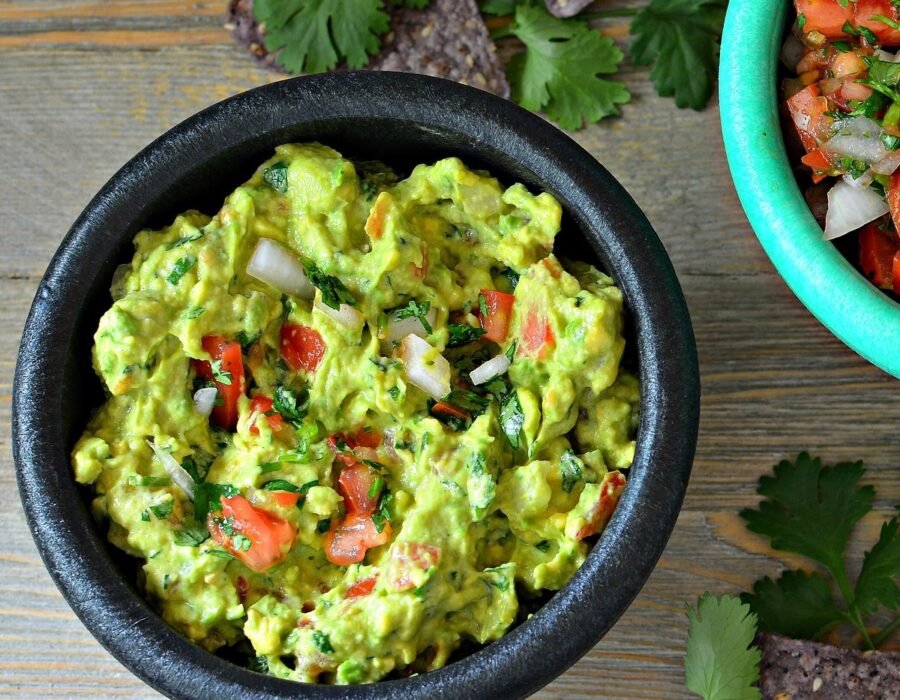
You make a beautiful bowl of guacamole, turn around for two minutes, and it’s already developing that unappetizing brown layer on top. If you’re asking why does my guacamole turn brown so fast, you’re dealing with one of the most aggressive oxidation reactions in the kitchen. Avocado flesh browns faster than almost any other fruit, and guacamole — with all that surface area exposed to air — is basically a race against chemistry. But it’s a race you can win.
Here’s what’s happening: avocados contain an enzyme called polyphenol oxidase. When the flesh is exposed to oxygen, this enzyme triggers a chain reaction that produces brown pigments called melanins. It’s the same process that browns apple slices and banana peels, but avocados are particularly susceptible because of their high enzyme levels and soft texture. Cut avocado starts browning within minutes; mashed avocado, with exponentially more surface area, browns in what feels like seconds.
Why Does My Guacamole Turn Brown So Fast? It’s All About Air Exposure
The single most important factor is air contact. Every part of the guacamole touching air will brown; every part sealed away from air stays green. This is why the top browns first and why guacamole stored properly stays bright green for days. All effective prevention methods work on this one principle: block the air.
The most reliable method is the water seal: smooth the guacamole flat in its container, then pour about half an inch of cold water (or lime juice) over the top, seal with a lid, and refrigerate. The liquid forms an airtight barrier. When you’re ready to serve, just pour off the liquid and stir — the guacamole underneath will be bright green, even after two days. I was skeptical the first time I tried this, but it works astonishingly well. The water doesn’t soak in or dilute anything because you pour it off before serving.
The plastic wrap method is the classic alternative: press plastic wrap directly onto the surface of the guacamole, eliminating every air pocket, then add the lid. The key word is “directly” — wrap floating above the surface does nothing. Press it down so it touches every bit of the guacamole. This keeps guacamole green for 24–48 hours in the fridge.
Does Lime Juice Actually Work?
Yes, but with caveats. Lime or lemon juice helps in two ways: the ascorbic acid (vitamin C) is an antioxidant that slows the browning enzyme, and the acidity lowers the pH, which also inhibits the enzyme. But juice alone won’t save guacamole for long — it’s a delaying tactic, not a solution. A good squeeze of lime buys you maybe an extra hour at serving temperature. Combined with an air barrier, though, it’s excellent insurance.
Here’s my serving-day protocol: make the guacamole with generous lime juice (about one lime per two avocados), serve it in the smallest bowl that fits (less surface area = less browning), and if it’s going to sit out during a party, press plastic wrap onto any leftovers between servings. At room temperature, even well-made guacamole starts turning within 2–3 hours — plan your batch size accordingly and make fresh if the party runs long.
Myths and half-truths, debunked
- The avocado pit trick: leaving the pit in the guacamole only protects the tiny area directly under the pit. The rest browns normally. It’s not useless, but it’s nearly useless. I wish this one would die.
- Onion on top: placing onion slices on the surface releases sulfur compounds that slow browning slightly — but only where the onion touches. Marginal benefit at best.
- Olive oil layer: a thin layer of olive oil does create an air barrier and works reasonably well, but it changes the texture and flavor. The water method is cleaner.
- Milk or sour cream mixed in: some swear by this, but it changes the flavor significantly. If you like it, fine — but it’s a different dish at that point.
Making Guacamole Worth Protecting
Since you’re going to the trouble of keeping it green, make it worth eating. Start with perfectly ripe avocados — they should yield gently to palm pressure. Under-ripe avocados make bland, chunky guacamole no matter what you add; over-ripe ones taste fermented. Two to three avocados make a good party batch.
My formula: mash the avocados with a fork to your preferred texture (I like it chunky — mashed but not pureed), then fold in finely diced white onion, minced jalapeño (seeds removed for mild, kept for heat), chopped cilantro, lime juice, and salt. Taste and adjust — guacamole almost always needs more salt and lime than you think. Diced tomato is traditional in some regions and controversial in others; I add it only if the tomatoes are excellent, since watery tomatoes dilute the flavor.
A few upgrades worth trying: a pinch of cumin for earthy depth, crumbled cotija cheese on top for salty contrast, or pomegranate seeds for color and sweet-tart bursts (gorgeous for holiday parties). For a smoky version, char the jalapeño directly over a gas flame before mincing. And if you’re serving a crowd, consider making it tableside — mashing avocados in front of guests is interactive, impressive, and guarantees maximum freshness.
Storage and Food Safety
Properly sealed guacamole (water method or pressed wrap) keeps 2–3 days in the refrigerator, though the flavor is best in the first 24 hours. After that, even if it still looks okay, the fresh flavors dull. I plan to use leftovers within two days — on toast, in burritos, thinned with a little water as a salad dressing, or just eaten with a spoon standing at the fridge (no judgment).
Don’t leave guacamole at room temperature for more than two hours — the standard food safety rule for perishable foods. At a summer party, nest the serving bowl in a larger bowl of ice to keep it cold and fresh longer. The FoodSafety.gov guidelines cover the two-hour rule in detail.
Avocado mastery extends beyond guacamole — learn how to make bread without yeast for the perfect guacamole delivery vehicle, and one-pot meals for busy weeknights when you need dinner fast. For the chemistry of enzymatic browning, the Wikipedia article on polyphenol oxidase goes deep.
So why does your guacamole turn brown so fast? Oxygen meets enzyme, and mashed avocado has enormous surface area. Block the air with a water seal or pressed plastic wrap, add lime juice for backup, serve in small bowls, and refrigerate promptly. Do that, and your guacamole stays green and gorgeous long enough for everyone to demolish it — which, let’s be honest, is usually the real timeline anyway.

1 Comment