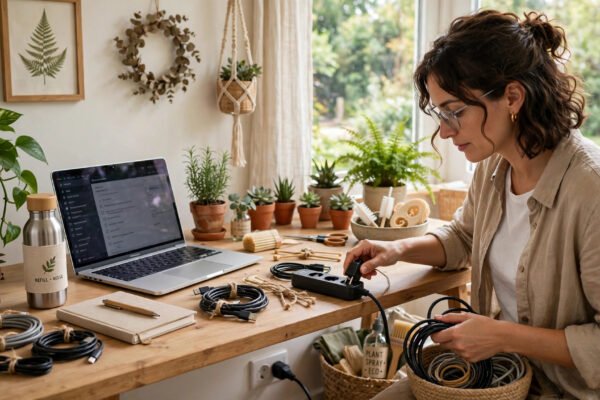
The zero-waste influencers make it look expensive: $40 stainless steel everything, artisanal soap bars, a pantry full of glass jars that probably cost more than the food inside them. For a Colorado family on a real budget, that aesthetic is alienating — and unnecessary. Switching to a reusable lifestyle isn’t about buying premium eco-products; it’s about not buying disposable ones, which saves money by definition. This guide shows how to switch to a reusable lifestyle on a budget in Colorado: the swaps with the fastest payback, the ones to skip, and a phased plan that costs almost nothing upfront.
You’ll learn the budget-first philosophy, the highest-ROI swaps ranked by payback period, Colorado-specific resources that make it cheaper, what not to buy, and a 90-day phased plan.
The Budget-First Philosophy
The core insight: reusables save money only if they replace disposables you’d otherwise buy repeatedly. A $25 reusable water bottle pays for itself in weeks if it replaces $2 daily bottled water; it’s a waste if it joins six other bottles in your cabinet. Every swap should pass the test: “Will I actually use this enough to beat the disposable cost?” If yes, it’s an investment. If maybe, skip it.
The second insight: the cheapest reusable is the one you already own. A mason jar is a coffee cup. A tote bag from a conference is a grocery bag. Old T-shirts are cleaning rags. Before buying any “eco product,” audit what you have — most households can eliminate 50% of disposables with zero purchases. The zero-waste movement’s dirty secret is that buying stuff to stop buying stuff is still buying stuff.
The third: go phased, not all-at-once. Overhauling everything in a weekend costs hundreds and overwhelms everyone; replacing one disposable category per month costs almost nothing and builds lasting habits. The EPA’s waste reduction resources confirm that the highest-impact changes are the boring, repeated ones — not the photogenic ones — and the NRDC’s waste reduction tips align with the same budget-first priorities — not the photogenic ones.
The Swaps, Ranked by Payback Period
Payback in under a month: Reusable water bottle (use one you own; if buying, $10–$15) — replaces bottled water at $1–$2 each. Reusable grocery bags (often free — everyone has a stash; keep them in the car, which is the actual challenge). Reusable coffee cup/mug (many Colorado coffee shops offer $0.25–$0.50 discounts for bring-your-own — the cup pays for itself while saving money per coffee).
Payback in 1–3 months: Cloth napkins and unpaper towels (a $20 set of 12 replaces $8/month in paper towels — plus they work better). Reusable food storage (mason jars, containers you own) replacing plastic wrap and baggies. A safety razor ($30 upfront, blades cost pennies versus $3+ per disposable cartridge — the math is comically favorable). Reusable shopping/produce bags.
Payback in 3–6 months: Menstrual cup or reusable period products ($25–$35 vs. $10–$15/month in disposables — enormous lifetime savings). Cloth diapers (the big one for families: $300–$500 upfront vs. $1,500–$2,500 in disposables per child — Colorado’s hard water is fine for washing with the right detergent). Wool dryer balls ($10 set replaces dryer sheets indefinitely and shortens drying time).
Payback in 6–12 months: Bidet attachment ($30–$50, cuts toilet paper use 75%+, pays for itself fast in larger households). Reusable mop pads, quality food wraps (beeswax wraps for the cheese-and-sandwich crowd).
Skip (poor ROI or lifestyle mismatch): Expensive “zero waste starter kits” (bundled markup on things you own), bamboo toothbrush subscriptions (marginal benefit, subscription cost), premium glass pantry containers bought all at once (use jars you already have), and anything you’ll use twice then abandon. For cutting household costs broadly, saving on everyday expenses covers the wider budget picture these swaps fit into.
Colorado-Specific Advantages
Colorado makes this easier than most states. Water: Most Colorado municipal water is excellent — Denver Water consistently ranks among the best-tasting in the US, which removes the main excuse for bottled water. A $20 pitcher filter handles the rest. Bulk stores: Natural Grocers (Colorado-founded, statewide), Sprouts, and co-ops statewide have extensive bulk sections — bring your own jars and buy exactly what you need, often cheaper per unit than packaged. Thrift infrastructure: Arc, Goodwill, and consignment stores across the Front Range are goldmines for the jars, containers, baskets, and cloth items reusables require — buy secondhand, pay almost nothing.
Compost programs: Denver’s compost collection, plus services like Compost Colorado and Scraps (micro-haulers in various cities), handle food scraps for a few dollars monthly — closing the loop on the waste reusables can’t prevent. Repair culture: Denver’s growing repair café scene and the state’s right-to-repair momentum mean fixing beats replacing more often here.
The altitude caveat: Colorado’s dry air means beeswax wraps dry out faster and wooden reusables need occasional oiling — minor adjustments, not dealbreakers. And wildfire season makes air quality a periodic concern where reusable (not disposable) masks and air filter maintenance matter — check reducing your home carbon footprint for the bigger-picture home sustainability moves.
The 90-Day Phased Plan
Days 1–30 (Kitchen): Audit disposables — list what you throw away most. Implement: water bottle habit, grocery bags in car, cloth napkins/unpaper towels, jars for storage. Cost: $0–$30. Expected savings: $20–$40/month.
Days 31–60 (Bathroom & laundry): Safety razor, wool dryer balls, bar soap/shampoo bars (cheaper per use than bottled), reusable cleaning cloths replacing paper towels. Cost: $30–$60. Expected additional savings: $15–$30/month.
Days 61–90 (Systems): Bulk buying setup (jars, bags, a routine), compost solution, bidet attachment if interested, cloth diapers if applicable. Cost: $30–$100 depending on choices. Expected additional savings: $20–$50/month.
Total 90-day investment: under $150 for most households. Total ongoing savings: $50–$120/month — $600–$1,400/year. The reusable lifestyle doesn’t cost money; it pays money, once you ignore the influencer version and follow the budget version.
Frequently Asked Questions
Is a zero-waste lifestyle actually cheaper?
Yes, when done budget-first (using what you own, buying secondhand, phasing swaps). No, when done as eco-consumerism (buying premium “sustainable” versions of everything at once). The philosophy determines the economics.
What’s the single best first swap?
The reusable water bottle you already own, used consistently — plus grocery bags kept in the car. These two eliminate the highest-volume disposables for $0.
How do I get my family on board?
Don’t preach — make it effortless. Put the reusables where the disposables were, remove the disposables from easy reach, and let convenience do the persuading. Lead with savings (“this saves us $80/month”) over lectures.
What about the water/energy used washing reusables?
Life-cycle analyses consistently show reusables win after modest use counts (a cotton tote beats plastic after ~130 uses; a steel bottle after ~20). Wash efficiently (full dishwasher loads, cold water for clothes) and the math stays favorable.
The Bottom Line
Small consistent swaps compound over time, and tracking your progress each month keeps the momentum going strong. Switching to a reusable lifestyle on a budget in Colorado means: ignore the $40 eco-aesthetic, use what you already own first, phase swaps by payback period (water bottle and bags now, bidet and bulk systems later), exploit Colorado’s advantages (great tap water, bulk stores, thrift infrastructure), and track the savings. Done right, it’s not a sacrifice or a splurge — it’s one of the highest-ROI household changes you can make, paying you back every single month.