You want to sell your New York home for more, and you are willing to put in work — but how long will it take, and which projects actually pay? The honest timeline: meaningful value increases take anywhere from a weekend to six months, and the projects with the best returns are rarely the most dramatic ones. New York's market — from co-op boards to upstate septic systems — adds wrinkles generic advice ignores.
Here is the realistic calendar: what you can do in days, what takes weeks or months, which improvements return the most per dollar in New York specifically, and the expensive mistakes sellers make chasing value.
The Weekend Wins: 1–7 Days
The fastest value gains are cosmetic and cost almost nothing. Deep cleaning, decluttering, and depersonalizing can be done in a weekend and measurably affect buyer perception and offers — NAR data consistently links clean, decluttered presentation to stronger buyer interest. Fresh interior paint in the main living areas (2–3 days with drying time) is the classic quick win: $200–$500 in materials returns an outsized impression of maintenance and modernity.
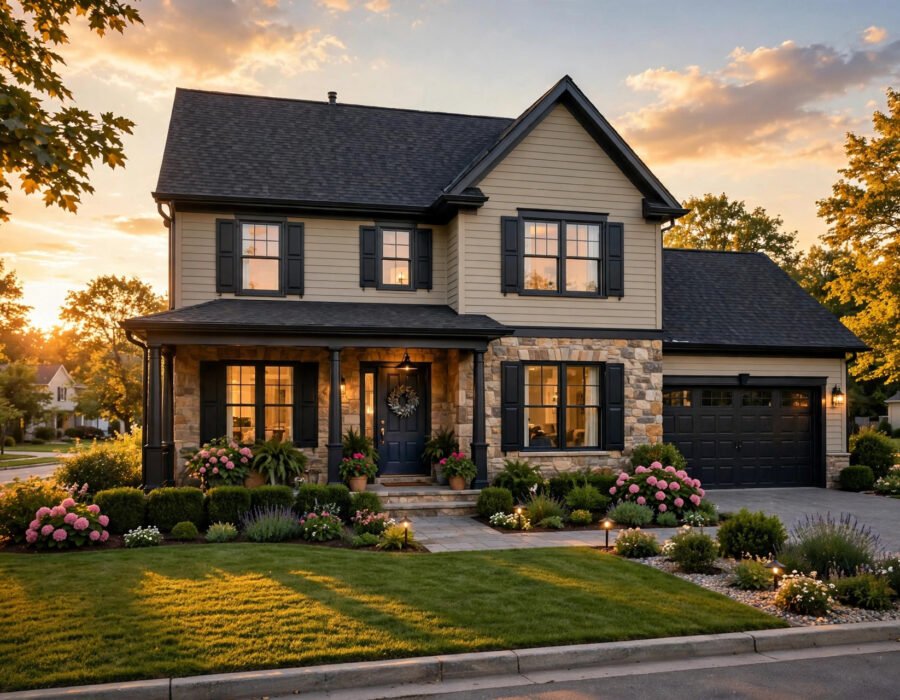
Curb appeal takes a weekend: power-wash the exterior, refresh mulch, trim overgrowth, paint the front door. In New York's competitive downstate markets, where buyers scroll hundreds of listings, the thumbnail photo decides whether they click — and the exterior shot is often first. Minor repairs (dripping faucets, cracked switch plates, sticking doors) take hours and remove the 'deferred maintenance' doubts that make buyers discount their offers preemptively.
The Month-Long Projects: 2–6 Weeks
Kitchen and bathroom refreshes — not renovations — fit here: new cabinet hardware, updated lighting fixtures, regrouting tile, new faucets, refinishing rather than replacing. These 2–4 week projects ($1,000–$5,000) target the two rooms buyers scrutinize most, and refreshes capture much of a remodel's perception value at a fraction of the cost and time. Flooring updates (refinishing hardwoods is huge in New York's older housing stock) typically take 1–2 weeks including scheduling.
Landscaping improvements and minor exterior work fit this window too. The ROI logic: these projects address what buyers see and touch daily. A 1970s bathroom with new fixtures, fresh grout, and modern lighting reads as 'updated' to most buyers; the same bathroom untouched reads as 'project.' In New York City co-ops, check alteration agreements before any work — board approvals can add weeks, so start that paperwork before you pick paint colors.
Learn more from National Association of Realtors.
The Major Projects: 2–6 Months (Usually Skip)
Full kitchen remodels, additions, and major system overhauls take months — and in New York, they rarely pay back at sale. National remodeling cost-vs-value data consistently shows major kitchen remodels returning 50–60 cents on the dollar at resale; luxury bathrooms fare worse. The math only works if you will enjoy the improvement for years before selling, converting it from investment to consumption.
New York-specific drag factors: co-op and condo board approvals add 1–3 months to any significant work; NYC Department of Buildings permits add time and cost; upstate, well/septic work faces health department approvals. If you are selling within a year, the major-project playbook is almost always wrong — you pay full retail for improvements valued at wholesale by buyers. The exception: fixing genuine defects (active leaks, failed systems), which are not value-adds but value-protectors.
What Actually Pays in New York Markets
Ranked by return on effort in New York: (1) Declutter/clean/paint — near-infinite ROI on minimal spend. (2) Hardwood floor refinishing — New York buyers prize original floors; $3–$5/sq ft refinishing transforms perception. (3) Kitchen/bath refreshes as described. (4) Energy improvements with documentation — new buyers value lower utility costs, and New York's energy disclosure expectations are growing. (5) Curb appeal and entry updates.
New York caveats: downstate, co-op board package requirements mean 'value' includes sale-readiness paperwork, not just physical condition. Upstate and suburban, lot and exterior condition weigh heavier. Everywhere in New York, over-improving past neighborhood norms wastes money — appraisers and buyers anchor to comparable sales, so a $80,000 kitchen in a $400,000 neighborhood returns a fraction of its cost. Improve to the neighborhood standard, not beyond it.
The Pre-Sale Calendar: Working Backward
Set your list date, then work backward. Six months out: decide the project list with your agent, get contractor quotes, file any co-op/condo board applications. Three months: complete refreshes and flooring. Six weeks: paint, landscaping, minor repairs. Two weeks: deep clean, staging, photography. One week: pre-listing inspection if your market favors it (common for older upstate homes; it lets you fix or disclose on your terms).
Build 20% schedule buffer — contractors run late, boards deliberate, and paint needs dry days. And get your agent's eyes on the plan before spending: a good listing agent knows exactly which $2,000 your specific buyers will notice and which $10,000 they will ignore. The timeline question has a strategic answer: start early enough to do the cheap high-ROI work properly, and skip everything that needs months unless you are staying.
For the authoritative take, visit U.S. Dept. of Housing and Urban Development.
Curb Appeal on a Tight Timeline
When listing is weeks away, curb appeal triage beats perfection. The 80/20: mow and edge the lawn, refresh mulch in beds (a 50-dollar mulch run transforms photos), trim anything touching the house, power-wash the driveway and entry, and paint the front door a welcoming color. These five tasks take one weekend and dominate first-impression psychology.
New York specifics: downstate buyers judge exteriors hard because outdoor space is precious — a clean patio or small yard photographs as lifestyle. Upstate, the long view matters: clear sightlines, tidy outbuildings, no visible junk. Winter listings: keep walks immaculate (buyers read icy walks as maintenance neglect) and add warm lighting at the entry for gray-day showings. Curb appeal is the cheapest value improvement in real estate — never list without it.
You can verify the details at Bankrate.
Related reading you might enjoy: increasing your home's value before selling and the cost of building a backyard deck.
Increasing your New York home's value before selling takes a weekend for the highest-ROI work (clean, declutter, paint, curb appeal), 2–6 weeks for kitchen and bath refreshes and floor refinishing, and months for major renovations that usually do not pay back at sale. Focus spending on what buyers see and touch, improve to neighborhood norms rather than beyond them, navigate co-op board timelines early, and let your agent veto expensive projects. The sellers who profit most are not the ones who spend most — they are the ones who spend fastest on the right things.
Frequently Asked Questions
What home improvement has the best ROI before selling?
Cosmetic work: deep cleaning, decluttering, and fresh paint deliver the highest return per dollar. Among paid projects, hardwood floor refinishing and minor kitchen/bath refreshes outperform full remodels, which typically return only 50–60 cents on the dollar.
How far in advance should I start pre-sale improvements?
Start planning 3–6 months out for contractor scheduling and any co-op/condo board approvals. Do cosmetic work (paint, landscaping, repairs) in the final 2–6 weeks so everything looks fresh for photos.
Do I need co-op board approval for pre-sale renovations in NYC?
For anything beyond cosmetic work, usually yes — most NYC co-ops require alteration agreements and board approval for plumbing, electrical, or structural changes. Factor 1–3 months for approvals into your timeline.
Should I renovate my kitchen before selling?
Usually not a full renovation — refresh instead (hardware, lighting, fixtures, paint) for a fraction of the cost. Full kitchen remodels rarely return their cost at resale unless you will live with the result for years first.