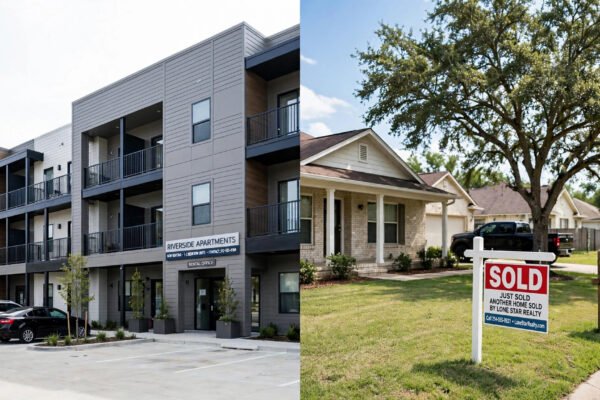
In Texas's fast-moving markets, buyers face a timing puzzle: inspect before you offer and risk losing the house, or offer first and inspect during the option period? Texas has its own answer baked into its contracts — the option period — which reshapes the entire inspection timeline compared to other states.
Here is how long each step actually takes in Texas, what a Texas inspection covers that other states' do not, what it costs, and the pre-offer inspection strategies competitive buyers use without getting burned.
The Texas Timeline: From Call to Report
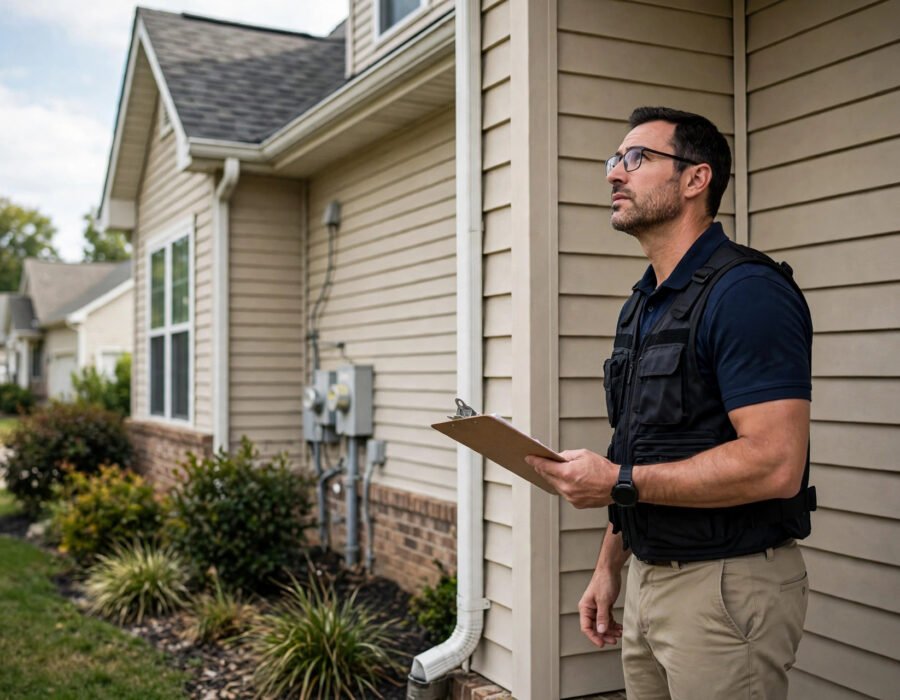
A standard Texas home inspection takes 2–4 hours on-site for a typical single-family home, with the written report delivered within 24 hours — often the same evening. Scheduling is the variable: in normal markets, reputable inspectors book 2–5 days out; in hot Austin, Dallas, or Houston stretches, the best inspectors book 7–10 days out. Total elapsed time from first call to report in hand: typically 3–7 days.
Texas inspectors must be licensed by the Texas Real Estate Commission (TREC), which also mandates the inspection report form — a standardized, detailed document that is more thorough than many states require. Costs run $350–$600 for standard homes, more for large, older, or rural properties with wells and septic systems. For a pre-offer inspection, add urgency: tell the inspector you are pre-offer and many will prioritize the booking.
Texas Contracts: The Option Period Changes Everything
Texas's standard residential contract includes an option period — typically 3–10 days — during which the buyer can terminate for any reason by paying a negotiated option fee ($100–$500 commonly, credited or not depending on negotiation). This is Texas's built-in inspection window, and it is why most Texas buyers inspect after the offer is accepted rather than before: the contract itself protects the inspection right.
This structure answers the timing question strategically. Pre-offer inspections make sense mainly for: auction or as-is sales with no option period, extremely competitive situations where waiving the option period strengthens the offer, or unique properties (old, rural, foundation concerns) where you need information before committing even option money. Otherwise, the standard Texas play — offer with an option period, inspect within it — gives you the information without the pre-offer gamble.
For official guidance, see National Association of Realtors.
What Texas Inspections Cover (State-Specific Items)
Beyond the standard roof, plumbing, electrical, HVAC, and appliance checks, Texas inspections emphasize foundation performance — expansive clay soils across much of Texas make foundation movement the state's signature housing issue. Inspectors document grading and drainage, another Texas-critical item given flash flooding and intense storms. In rural areas, wells and septic systems need specialists beyond the general inspection.
Texas-specific add-ons worth considering: termite/WDI inspection (Texas's climate makes wood-destroying insects a constant threat; many lenders effectively require it), sprinkler system checks, pool equipment inspection, and mold assessment after the state's notorious hail and storm seasons. A pre-offer inspection can be scoped narrower — foundation, roof, and major systems — to answer the go/no-go question faster and cheaper ($250–$400 for limited scope).
Pre-Offer Inspection Strategy for Competitive Markets
If you are inspecting before offering, move in this order. Day one: tour the home and note visible concerns — ceiling stains, sloping floors, old electrical panels, drainage grading. Day one afternoon: call two TREC-licensed inspectors, explain the pre-offer urgency, and book the earliest slot. Day two or three: attend the inspection in person — for pre-offer inspections your presence matters more, because you need to calibrate how worried to be, not just read a report.
Set a decision threshold in advance with your agent: what findings kill the deal versus what becomes negotiation or acceptance? Foundation repairs in Texas run $5,000–$15,000+; a roof replacement $10,000–$25,000; these numbers should be in your head before the report lands. And protect yourself: a pre-offer inspection is sunk cost if you lose the bidding war, so reserve this strategy for houses you would genuinely buy, not every house you tour.
After the Report: Texas Negotiation Realities
Texas sellers are not obligated to repair anything — inspection findings become negotiation leverage, not demands. Common Texas outcomes: seller credits at closing for roof or foundation issues, seller-completed repairs with receipts before closing, or price reductions. Get contractor quotes for major findings during the option period; inspectors identify problems, contractors price them, and you need both numbers to negotiate intelligently.
Know Texas's disclosure context too: sellers must disclose known defects via the Seller's Disclosure Notice, and your inspection findings should be cross-checked against it — undisclosed known issues are a legal matter, not just a negotiation one. If the inspection reveals deal-breakers, the option period lets you walk away losing only the option fee. That is the Texas system's genius: a few hundred dollars buys you the right to full information before full commitment.
Learn more from American Society of Home Inspectors.
New Construction Inspections in Texas
Texas buyers of new construction often skip inspections, assuming the builder's warranty and city code inspections suffice — a costly mistake. Municipal code inspections verify minimum safety compliance, not quality; they do not check whether your foundation was poured correctly or your roof flashed properly. An independent inspection at three stages — pre-pour (foundation), pre-drywall (framing, plumbing, electrical rough-in), and final — catches defects while they are still fixable.
Each phase inspection runs 300 to 500 dollars, and builders in Texas's competitive markets are accustomed to them — a builder who resists independent inspection is telling you something. Document everything with photos, since warranty claims years later depend on evidence. The one-year builder warranty walkthrough deserves its own inspection too: hire your inspector back at month eleven to catch everything before the warranty expires. New does not mean correct; verified means correct.
For the authoritative take, visit Consumer Financial Protection Bureau.
If this was helpful, keep reading: our guide to increasing your home's value before selling and replacing a water heater.
Getting a home inspection before making an offer in Texas typically takes 3–7 days from first call to report, but most Texas buyers do not need to — the state's option period builds the inspection window into the contract itself. Reserve pre-offer inspections for as-is sales, waived option periods, or foundation-suspect properties; otherwise, offer with an option period and inspect within it. Either way, use a TREC-licensed inspector, emphasize foundation and drainage, consider termite and mold add-ons, and arrive at negotiations with contractor-priced numbers, not just findings.
Frequently Asked Questions
How much does a home inspection cost in Texas?
Typically $350–$600 for a standard single-family home, more for large, older, or rural properties. Limited-scope pre-offer inspections run $250–$400. Termite, septic, and mold add-ons cost extra.
What is the option period in a Texas home contract?
A negotiated window (usually 3–10 days) after offer acceptance during which the buyer can terminate for any reason by paying an option fee. It functions as Texas's built-in inspection and due-diligence period.
Are home inspectors licensed in Texas?
Yes. Texas inspectors must be licensed by the Texas Real Estate Commission (TREC), which also mandates a standardized inspection report form — more detailed than many states require.
Should I attend the inspection?
Yes, especially for pre-offer inspections. Being present lets you see issues in context, ask questions, and calibrate severity — a report alone does not convey whether a crack is cosmetic or structural the way standing next to it does.