The bathtub becomes a wrestling ring, the dog shakes like a leaf, and everyone ends up soaked and miserable — you included. Bathing a nervous dog feels hard because it genuinely is hard: you are combining water, confinement, slippery surfaces, strange sounds, and handling, which hits nearly every common canine fear trigger simultaneously. Understanding why it is hard is the first step to making it easier.
This guide breaks down the fear triggers, the force-free techniques that actually reduce stress, the equipment worth buying, a step-by-step low-stress bath protocol, and when the right answer is a professional groomer.
The Fear Triggers: Why Baths Terrify Dogs
A bath stacks aversions. Slippery surfaces remove traction — dogs feel unstable and panic, the same reason they fear slick vet floors. Running water and sprayers create noise and unpredictable sensation. Confinement in a tub removes the flight option, escalating fight-or-flight. Being handled, lifted, and restrained by a stressed owner adds social pressure — dogs read your tension perfectly and mirror it.
Past experiences cement the fear: one forced bath with cold water or water in the ears creates a lasting association, and punishment for struggling teaches the dog that baths predict conflict. Breed and history matter — rescues with unknown pasts, under-socialized puppies, and noise-sensitive breeds start from further back. The key insight: the dog is not being stubborn or bad. The dog is afraid, and afraid dogs cannot learn — they can only survive. Every technique that works starts by lowering fear, not overpowering it.
Force-Free Foundations: Before Water Touches Fur
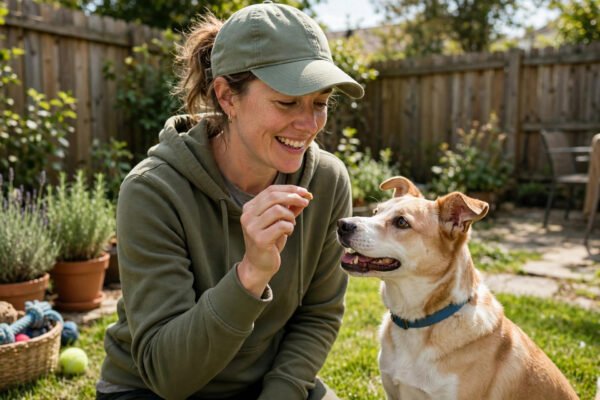
Do the training dry first. Over several days, reward the dog for approaching the bathroom, then the tub, then standing in the dry tub — high-value treats for each step, no water involved. This is desensitization, and it works: you are building a new association (tub equals chicken) to replace the old one (tub equals terror). Rushing this phase is the number-one reason bath training fails.
Add handling practice separately: reward tolerance of paw handling, ear touches, and gentle restraint in non-bath contexts. Teach a 'place' or station behavior on a bath mat — a familiar mat in the tub becomes an anchor of normalcy. Keep sessions under five minutes, end on success, and never lure a terrified dog into the tub and then trap it — betrayal destroys trust faster than any training builds it. A week of dry prep transforms the actual bath day.
For official guidance, see American Kennel Club.
Equipment That Genuinely Reduces Stress
A non-slip mat in the tub is the single most impactful purchase — traction removes the core instability fear, and dogs visibly relax. A handheld sprayer with gentle pressure beats poured pitchers (predictable, controllable) and avoids the terrifying surprise of overhead dumping. Lukewarm water only: test on your inner wrist like baby formula; cold water is a top bath-fear creator.
Lick mats smeared with peanut butter and stuck to the tub wall at nose height give the dog a competing pleasant focus — this simple tool changes more baths than any technique. Use a dog-specific shampoo (human shampoo's pH irritates canine skin), keep cotton balls handy for ears (gently placed, not jammed), and have warm towels ready — chilled wet dogs associate the whole experience with the miserable ending. Total equipment cost: 30 to 50 dollars, reusable for years.
The Low-Stress Bath Protocol
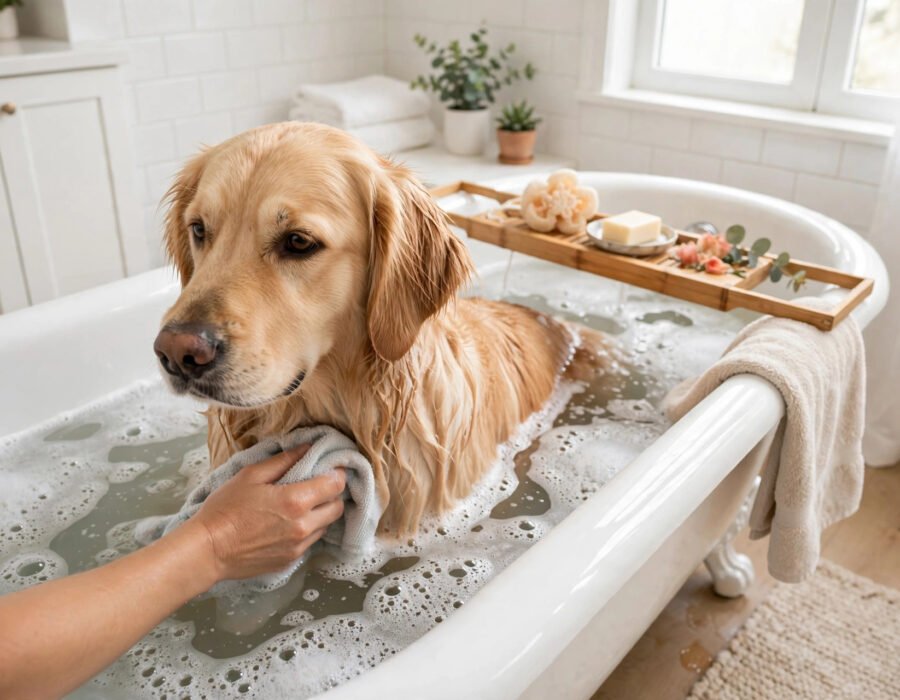
Set up everything before the dog arrives — fumbling for shampoo with a wet nervous dog escalates everyone. Exercise the dog first; a tired dog has less panic energy. Lure (do not drag) the dog to the tub, lick mat already smeared. Start water away from the dog, let it reach lukewarm, then wet from the neck down — never spray the face directly; use a damp cloth for the face.
Work efficiently but unhurried: shampoo, massage (many dogs actually enjoy this part once calm), rinse thoroughly — residue itches and creates negative associations for next time. Talk in a low, boring, continuous voice; sudden silence or high-pitched excitement both spike arousal. Keep the whole bath under 10 to 15 minutes. End with warm towels, enthusiastic calm praise, and a favorite activity — the post-bath experience writes the memory the dog carries to next time.
When to Call a Professional Groomer
Use a groomer when: the dog's fear is severe (panicked escape attempts, snapping, shutdown), you cannot safely handle the dog, the coat needs professional equipment (doodles, double coats, matted fur), or your own stress makes you the problem — dogs mirror handler anxiety, and an owner dreading the bath guarantees a bad bath.
Choose a fear-free or force-free groomer: ask about their handling methods, whether they allow owner presence or trial visits, and how they handle fearful dogs — good groomers describe desensitization, breaks, and consent-based handling, not dominance and restraint. Costs run 40 to 100-plus dollars depending on size and coat, which is cheap compared to a bitten hand or a traumatized dog. And consider the hybrid: groomer for the full bath, you for maintenance brushing and paw wipes between visits.
Learn more from ASPCA.
Drying: The Forgotten Final Step
The bath is not over when the rinsing stops — poor drying creates the miserable ending dogs remember. Towel-dry thoroughly first, pressing (not rubbing, which tangles coats) with absorbent microfiber towels; most dogs need two towel passes. For dogs that tolerate it, a low-heat blow dryer on the cool setting, kept moving and at distance, speeds drying enormously — introduce the dryer gradually with treats, never blasting a nervous dog's face.
Brush during drying for medium and long coats to prevent matting, which turns one bath into a grooming ordeal. In cool weather, keep the dog indoors until fully dry — wet dogs chill fast, and shivering writes a bad final chapter. Finish with the reward: a favorite game, a special treat, the good stuff. Dogs remember sequences, and a bath that ends in play and warmth is a bath the dog dreads less next time.
For the authoritative take, visit American Veterinary Medical Association.
If this was helpful, keep reading: our guide to the best flooring for homes with pets and introducing a new pet to the home.
Bathing a nervous dog is hard because baths combine slippery surfaces, confinement, water noise, and handling — nearly every canine fear trigger at once — usually compounded by past bad experiences and owner tension the dog can read. The fix is not force but preparation: dry desensitization training, a non-slip mat and lick mat, lukewarm water, a calm efficient protocol, and the honesty to use a fear-free groomer when the fear exceeds your setup. Work with the fear instead of against it, and bath day stops being a battle.
Frequently Asked Questions
How do I calm my dog before a bath?
Exercise first, then use desensitization: reward calm behavior near and in the dry tub over several days before adding water. On bath day, keep your own energy low and boring — dogs mirror handler tension.
What is the best tool for bathing a nervous dog?
A non-slip tub mat (removes the core fear of slipping) and a lick mat smeared with peanut butter (gives a pleasant competing focus). Together they change more baths than any handling technique.
Should I bathe my dog in cold or warm water?
Lukewarm — test on your inner wrist. Cold water is one of the most common creators of bath fear, and hot water risks burns. Never spray the face directly; use a damp cloth.
My dog snaps during baths. What should I do?
Stop home bathing and consult a force-free professional groomer or a veterinary behaviorist. Snapping signals fear past the point of safe home handling, and pushing through risks bites and deeper trauma.