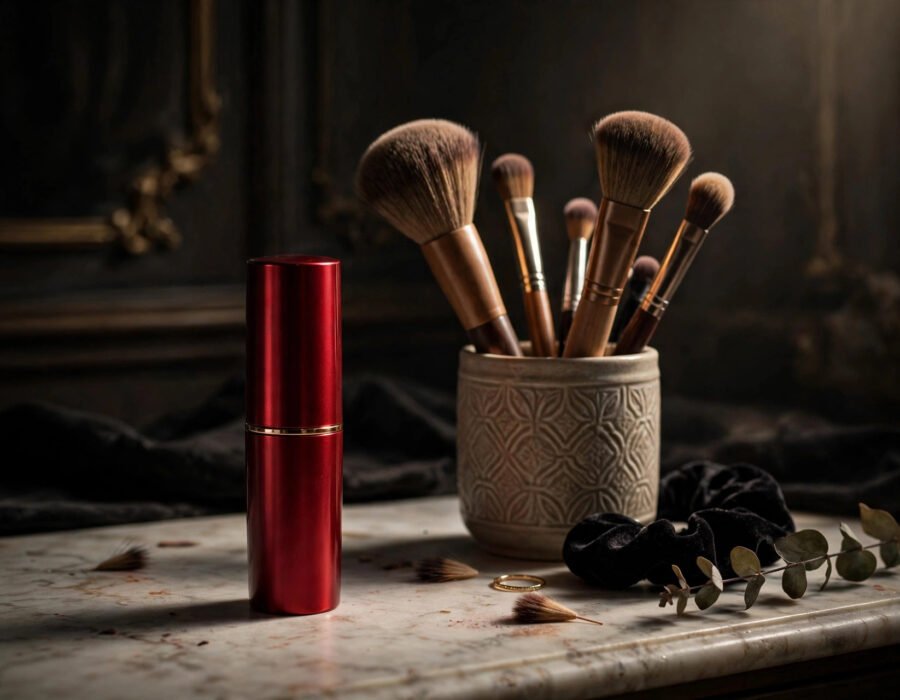
Every makeup lover knows the quest: the perfect red lipstick. It should take 30 focused minutes, but for most people it takes years of wrong purchases — drawers of reds that looked right in the store and wrong everywhere else. In New York, where you can swatch fifty reds within a subway ride, the paradox of choice is extreme. The timeline is short if the method is right.
Here is the 30-minute method: matching red to your undertone, the NYC testing circuit, formulas that matter, and the 'universal red' shortcut for the impatient.
Minutes 0–10: Know Your Undertone
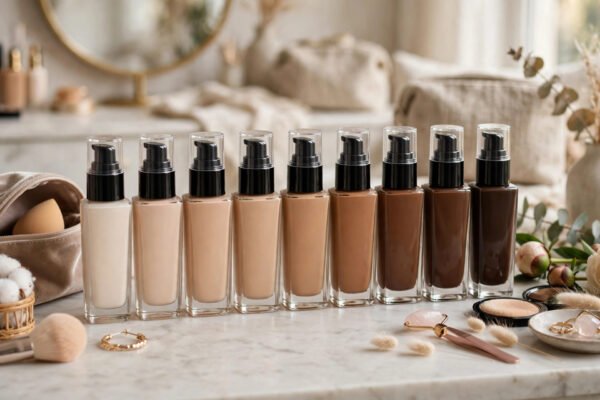
Red lipstick matching is undertone matching. Warm undertones (golden skin, greenish veins) glow in orange-reds, brick reds, and tomato shades — blue-reds can look harsh. Cool undertones (pinkish skin, bluish veins) stun in blue-reds, cherry, and berry-reds — orange-reds can clash. Neutral undertones wear true classic reds beautifully. Deep skin tones carry rich blue-reds and deep brick reds; fair skin often shines in brighter cherry and classic blue-reds.
If you do not know your undertone, do the 2-minute tests: gold versus silver jewelry (which looks better?), the vein check, and the white-paper test. Then pick one candidate red per undertone family to test — three swatches maximum. This ten-minute foundation prevents the classic failure: falling for a gorgeous red that fights your skin. The lipstick does not need to match your skin; it needs to harmonize with it.
Minutes 10–25: The NYC Swatch Circuit
New York's advantage is density: Sephora, Ulta, and department-store beauty floors from Midtown to SoHo let you swatch dozens in one trip. Protocol: apply candidates to clean lips (bring makeup remover wipes — counters provide them), one shade at a time, then walk to the window or outside. Store lighting lies; daylight reveals. Photograph each in daylight — the camera catches undertone clashes your mirror-adapted eyes miss.
Judge on three criteria: does it brighten your face (the right red makes skin look clearer and teeth whiter — blue-reds whiten teeth optically), does it harmonize with your undertone (no orange cast on cool skin, no harsh blue on warm), and do you feel like yourself, amplified? Ask for samples of finalists — NYC counters give them — and wear each for a full day before buying. Fifteen minutes of disciplined swatching beats three years of drawer clutter.
You can verify the details at U.S. Food and Drug Administration.
Minutes 25–30: Formula and Finish
With the shade chosen, pick the formula. Matte liquid lipsticks: longest wear (6 to 10 hours), most drying — exfoliate and balm first. Classic bullet creams: comfortable, 3 to 5 hour wear, the timeless choice. Satin finishes: the modern sweet spot of comfort and polish. Sheer reds and tinted balms: the beginner's red, forgiving and low-maintenance.
NYC-lifestyle matching: commuters who will not reapply need matte liquid or long-wear bullets; those who enjoy the ritual can choose classic creams. Winter demands more moisturizing formulas (Manhattan wind is brutal on matte lips); summer favors lighter stains. Buy one perfect red in the right formula rather than three almost-reds — the drawer of almosts is the most expensive outcome. And check the return policy: most NYC beauty retailers accept gently used returns, removing the risk.
The Universal Red Shortcut
Impatient? The 'universal red' category exists for a reason: certain balanced blue-reds with neutral underpinnings flatter the widest range of skin tones. Makeup artists reach for these on diverse clients because they sit in the undertone middle ground — neither strongly warm nor cool. They will not be anyone's theoretical perfect, but they are everyone's reliable excellent.
How to spot them: classic Hollywood reds, shades described as 'true red' or 'blue-red' from major lines with long market histories — longevity signals broad flattery. Test one universal candidate against your undertone-matched pick; many people find the universal wins on wearability. This shortcut compresses the quest to a single purchase for those who want the result without the research project. There is no shame in it — working makeup artists use this shortcut daily.
Making It Last: Application That Survives NYC
The right red applied wrong still fails. The lasting-red protocol: exfoliate lips gently, apply balm and blot, line lips with a matching lip liner (prevents feathering — crucial past 40 and in winter wind), apply lipstick, blot with tissue, dust translucent powder through the tissue, apply a second layer. This sandwich method extends wear hours.
NYC survival kit: carry the bullet for touch-ups (even long-wear reds need a post-lunch refresh), blot after coffee (the city's fuel), and embrace the confidence factor — the perfect red is 50 percent shade and 50 percent wearing it like you mean it. The 30-minute method gets you the shade; the application gets you through the day. Together, they end the quest.
The full background is available at Good Housekeeping.
Long-Wear Red Lipstick: Making It Last
Classic red's reputation for high maintenance is earned — but manageable. The extended-wear protocol: exfoliate lips the night before, apply balm in the morning and blot completely, line and fill lips entirely with a matching lip liner (the liner base grips color for hours), apply lipstick, blot, then apply a second layer. This layered approach routinely delivers six-plus hours.
For truly bulletproof wear, the tissue-and-powder sandwich between layers adds staying power without the dryness of matte liquid formulas. Carry the bullet for one midday touch-up rather than expecting dawn-to-midnight perfection from a single application. And keep a pointed cotton swab in your bag — five seconds of cleanup at the lip line keeps the edges sharp all day, which is what separates polished red from tired red.
One more longevity trick specific to bold reds: after the final layer, press a single ply of tissue over lips and dust the faintest veil of translucent powder through it, then apply one last sheer layer. This sandwich technique buys hours of fade-free color through long New York days. The extra 60 seconds at application is the cheapest wear-time insurance in makeup.
For official guidance, see Allure.
Want to go deeper? Check out why skin breaks out when stressed and making cheap clothes look expensive next.
Choosing the right red lipstick in New York takes 30 focused minutes, not years of wrong purchases: 10 minutes identifying your undertone, 15 minutes swatching candidates in daylight across the city's beauty counters (photographing each), and 5 minutes choosing the formula for your lifestyle. The right red harmonizes with your undertone, brightens your face, and survives the day with proper application. Or take the universal-red shortcut — the balanced blue-reds that flatter almost everyone. Either way, the drawer of almost-reds is now avoidable.
Frequently Asked Questions
How do I choose a red lipstick for my skin tone?
Match to undertone: warm undertones suit orange/brick reds, cool undertones suit blue/cherry reds, neutral suits classic true reds. Swatch on lips in natural daylight and photograph — the right red brightens your face.
What is a universal red lipstick?
A balanced blue-red with neutral underpinnings that flatters a wide range of skin tones. Not anyone's theoretical perfect, but reliably excellent — the shortcut makeup artists use on diverse clients.
How do I make red lipstick last all day?
Exfoliate, balm and blot, line with matching liner, apply, blot, dust translucent powder through tissue, apply a second layer. Carry the bullet for one midday touch-up.
Why does red lipstick make teeth look yellow?
Orange and warm reds emphasize yellow in teeth; blue-based reds create an optical whitening effect. If tooth color bothers you, choose blue-reds and cherry shades.