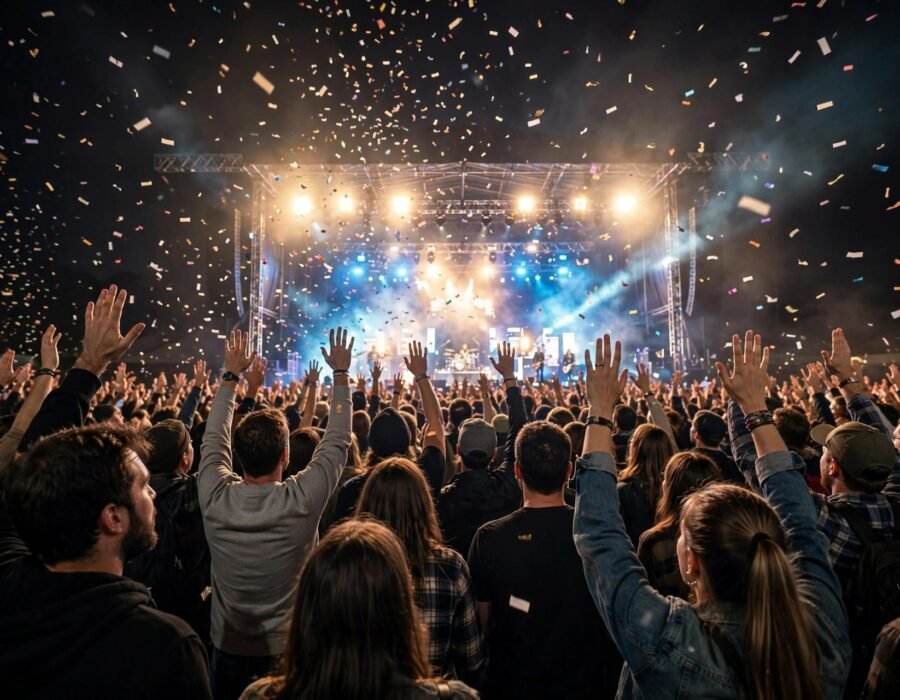
The lights drop. The crowd roars. The band launches into the opener — and if you are a certain kind of fan, you are already analyzing: why this song first? Where is the hit? When is the acoustic break? A setlist — the planned order of songs in a concert — looks simple but is one of live music’s most carefully engineered artifacts. If you want to understand how to understand setlists and how bands build them in the US — the craft is global — this guide reveals the architecture behind the night: the psychology, the strategy, and the drama of ordering songs.
A setlist is a narrative told in song order. The best ones feel inevitable in hindsight — of course the show built to that climax — but every placement is a decision balancing energy, emotion, logistics, and business. Understanding setlists transforms concerts from sequences of songs into designed experiences, and it makes you a dramatically better live music consumer.
The Architecture: How Great Setlists Are Built
Most great setlists follow a dramatic arc: the opener (high energy, statement of intent — often a beloved song, never the biggest hit), the early build (momentum songs, crowd warming), the middle exploration (deeper cuts, new material, the acoustic or quiet section that creates contrast), the pre-encore peak (the biggest hits, maximum energy), the encore break (theatrical pause), and the closer (the definitive song — the one the night will be remembered by). This is storytelling structure applied to music: exposition, rising action, climax, denouement.
Energy management is the technical core. Bands map their songs’ energy levels and sequence them so the crowd never flatlines — alternating peaks and valleys, never stacking three slow songs, placing the barn-burners where exhaustion has not yet set in. Key changes matter too: songs in the same key back-to-back blur together, so setlists modulate deliberately. Tempo, tuning changes (guitar swaps cost time), and even the singer’s vocal stamina across two hours all constrain the order. The Recording Academy’s live music coverage often includes artists discussing these choices — the craft is openly discussed among professionals. And discovering new music you will like often starts with a live setlist that sequenced an unfamiliar song perfectly.
The Strategy Behind the Songs
Setlists are business documents as well as art. New albums get toured, so new songs must be played — but too many unfamiliar songs kills crowd energy, so bands negotiate ratios (the veterans’ rule of thumb: no more than a third new material). Deep cuts reward longtime fans and signal artistic seriousness; the hits pay the bills and send casual attendees home happy. Festival setlists differ from headline shows: shorter, hit-heavy, designed to convert strangers in 60 minutes.
Then there is the setlist as data. Setlist.fm and similar archives let fans track every show’s songs, and bands know it — setlist variation across a tour is now a deliberate strategy to reward multi-show attendees and generate nightly discussion. Some bands (Phish, Pearl Jam) built their live reputations on never repeating; others play identical sets nightly for production precision (choreographed lights, video, and pyrotechnics demand it). Neither approach is superior — they serve different promises. The Library of Congress concert archives preserve historic setlists as cultural documents, which tells you how seriously this ephemera is taken. For the full live experience beyond one show, enjoying a music festival on a budget is where setlist literacy pays off across a whole weekend.
Reading a Setlist Like a Critic
At your next show, notice: which song opened and why (energy statement or surprise?), where the energy dips were placed (bathroom breaks are engineered — the quiet middle exists partly for logistics), how the encore was structured (the “fake ending” is theater, enjoy it), and what was missing (omitted hits are statements too). You will never unsee the architecture — concerts become richer, not more cynical, when you understand the design.
The Encore: Theater and Economics
The encore is live music’s most transparent ritual: everyone knows the band is coming back, the band knows everyone knows, and the performance of leaving and returning is enjoyed by all. It persists because it works — the break lets the crowd’s energy crest, the return feels like a gift, and the final song lands harder for the interruption. Some artists subvert it (playing straight through, or joking about the ritual); most honor it, because traditions that delight are worth keeping.
Economically, the encore is also where the night’s emotional peak is monetized into memory — the final impression determines whether attendees become evangelists. Bands place their most beloved song last for the same reason restaurants serve dessert: endings dominate memory. Psychologists call it the peak-end rule, and setlist builders exploit it masterfully.
Setlists as Storytelling: The Fan Perspective
For fans, setlists are souvenirs and arguments. Setlist.fm turned every show into a documented artifact — fans compare nights, debate omissions, and track rarities like birdwatchers. The “I was there when they played…” story is live music’s social currency, and setlist variation is what mints it. This is why bands that vary their sets inspire such devotion: every show is unrepeatable, every setlist a fingerprint. In an era of identical streaming, the unrepeatable night is the product — and the setlist is its certificate of authenticity.
The Bottom Line
Setlists are engineered narratives: dramatic arcs of energy and emotion, balancing new material against hits, deep cuts against crowd-pleasers, all constrained by stamina, logistics, and production. Understanding them turns concerts from pleasant sequences into designed experiences you can read like a text. Check the setlist archives before a show to know what is coming, or avoid them to stay surprised — but either way, you will now hear the architecture. The band built you a story. Enjoy knowing how it was made.
Frequently Asked Questions
Why do bands play the same setlist every night?
Production complexity (choreographed lights, video, pyrotechnics), consistency of performance, and vocal stamina planning. Jam-oriented bands vary nightly; production-heavy shows cannot. Both are legitimate artistic choices serving different promises.
How do bands choose the opener and closer?
Openers set energy and intent — high-energy statements, never the biggest hit (save it). Closers are definitive: the song the night will be remembered by, exploiting the peak-end rule. Both placements are among the most deliberated decisions in the setlist.
Should I check the setlist before a concert?
Depends on your temperament. Setlist archives let you anticipate and appreciate the architecture; avoiding them preserves surprise. Neither is wrong — but knowing the typical set helps you plan (bathroom timing, when to expect the hits).
Why do encores exist if everyone knows the band is coming back?
Because the ritual works: the break crests crowd energy, the return feels like a gift, and the final song lands harder. It is theater that delights rather than deceives — a shared fiction everyone enjoys participating in.
Do bands get tired of playing the hits?
Sometimes — many artists describe complicated relationships with their biggest songs. But professionals understand the exchange: the hits bought the audience’s presence, and playing them well is part of the job. The best performers find new joy in old songs through rearrangement and the crowd’s energy.