Your kid bangs on the piano with genuine joy and questionable rhythm. A neighbor mentions lessons. Suddenly you are interviewing piano teachers, comparing prices, and wondering whether any of this is worth it — the money, the driving, the practice battles. If you are asking is it worth it to find a good music teacher for kids in the Midwest — or anywhere — the research-backed answer is yes, with caveats: the right teacher at the right time is one of the highest-value investments in a child’s development, and the wrong setup is an expensive source of family friction.
The evidence for music education is genuinely strong: children who study music show improved language processing, spatial reasoning, executive function, and even empathy — effects documented in longitudinal studies, not just correlational snapshots. But the benefits depend on quality instruction and the child’s engagement; forced lessons on a resentful kid produce resentment, not cognitive gains. The teacher makes the difference between music as a gift and music as a chore.
What a Good Teacher Actually Does
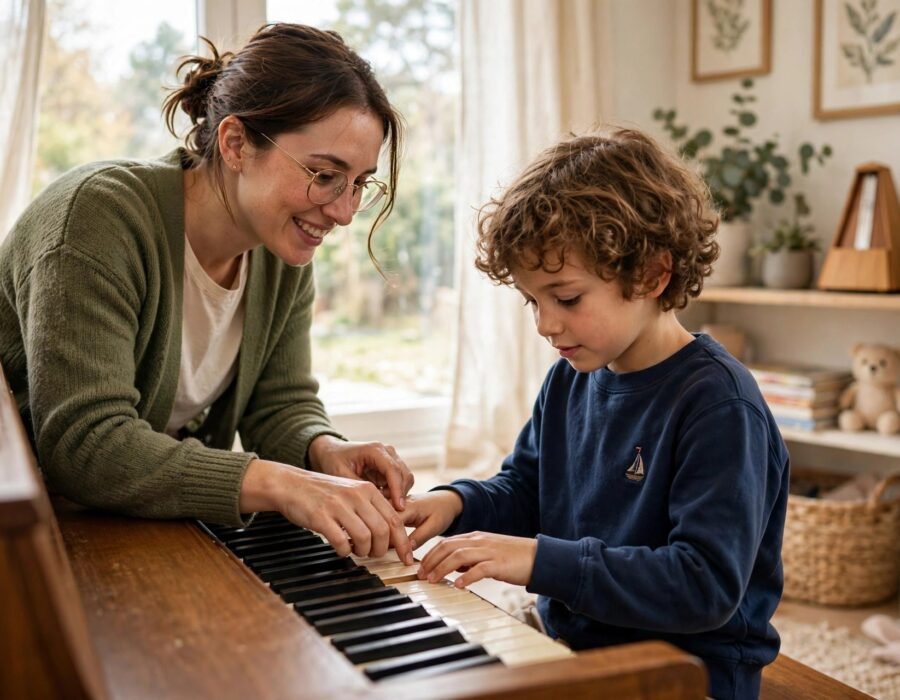
A good children’s music teacher is equal parts musician, psychologist, and entertainer. They make fundamentals fun (games for note-reading, songs the kid actually likes alongside the method books), adapt to the child’s learning style, set achievable challenges that build confidence, and — crucially — manage the parent dynamic, keeping practice expectations realistic and pressure healthy. The credential matters less than the fit: a Juilliard graduate who bores your seven-year-old is worse than a community-college student who makes them laugh while learning.
Red flags: teachers who only teach one method rigidly, who shame mistakes, who push competitions prematurely, or who cannot articulate what your child will learn in the next three months. Green flags: trial lessons offered, recital opportunities without pressure, clear practice expectations (15–20 minutes daily for beginners — not hours), and genuine warmth with kids. Observe a lesson before committing; the dynamic is visible in minutes. NAMM’s music education resources help parents evaluate programs and understand what quality instruction looks like. And learning an instrument as an adult is worth considering alongside — kids persist longer when music is a family culture, not a kid-only obligation.
The Practicalities: Cost, Logistics, and Practice
Costs in the Midwest are refreshingly reasonable compared to the coasts: $25–50 per half-hour lesson is typical, with community music schools and university programs often cheaper. Group classes ($15–25/session) work well for young beginners and add social motivation. Budget for the instrument separately — and resist buying the cheapest option, since unplayable instruments kill motivation (see our violin guide’s warnings about “violin-shaped objects”).
Practice is where the investment pays or dies. The research consensus: short daily practice beats weekly cramming — 15 focused minutes daily transforms beginners within months. Parents’ role is logistics and encouragement, not instruction (correcting technique you do not understand creates confusion). Make practice a routine anchored to an existing habit (after dinner, before screen time), celebrate consistency over perfection, and let the teacher handle the critique. The families who survive the practice years are the ones who made it routine rather than negotiable. The National Endowment for the Arts publishes data on arts education’s long-term benefits — useful ammunition when justifying the budget. For performance goals to aim at, finding local live music events near you includes the student recitals and youth concerts where beginners shine.
When to Start — and When to Stop
Most kids are ready for structured lessons around ages 5–7 (piano and violin work youngest; wind instruments need more lung development). Earlier than that, group music-and-movement classes build foundations without the frustration. As for stopping: distinguish quitting an instrument from quitting music — switching from piano to drums is not failure. And distinguish temporary burnout from genuine disinterest; a break or a teacher change often rekindles what force would kill. The goal is a lifelong relationship with music, not a childhood credential.
Music Lessons and the Whole Child
Beyond the cognitive research, music lessons teach something harder to measure: delayed gratification, comfort with being bad at something, the discipline of daily practice, and the courage to perform. These are life skills disguised as scales. Parents consistently report that the practice habit transfers — kids who learn to work through a difficult passage apply the same persistence to math homework. The instrument is almost incidental; the real curriculum is character. A good teacher knows this and teaches it deliberately, which is another reason the teacher matters more than the method book.
The Parent’s Role: A Field Guide
Your job: provide the instrument, protect the practice time, get them to lessons, and stay positive — especially through the ugly middle months when progress feels invisible. Not your job: critiquing technique (that is the teacher’s), comparing siblings, or living your unfulfilled musical dreams through your child. Attend recitals with genuine enthusiasm. Let them quit an instrument but not music itself — switching is growth, quitting everything is the thing to discuss. And consider learning alongside them: the family that practices together persists together, and your own beginner’s struggles make you the most sympathetic practice ally imaginable.
The Bottom Line
A good music teacher for kids is worth it when three things align: a teacher who fits your child’s personality, realistic practice routines the family can sustain, and a child with genuine (even flickering) interest. The cognitive and emotional benefits are real, the costs are manageable, and the family culture of music pays dividends for decades. Interview teachers, observe lessons, start with reasonable commitments — and remember that the goal is not a prodigy. It is a kid who loves music at thirty because someone taught them well at seven.
Frequently Asked Questions
What is a reasonable price for kids’ music lessons?
$25–50 per half-hour in most Midwest markets; higher on the coasts, lower in rural areas. Community music schools and university programs often charge less. Group classes run $15–25/session. Be wary of prices far below market — quality instruction has a floor.
How much should a beginner practice?
15–20 minutes daily for young beginners; consistency matters far more than duration. Short daily sessions build skills dramatically faster than one long weekly cram. Increase gradually as the child advances and interest grows — never by force.
What age should kids start music lessons?
Around 5–7 for piano and violin; 9–10 for most wind instruments. Earlier, try group music-and-movement classes. Readiness signs: ability to focus for 15 minutes, interest in the instrument, and fine motor control — not just parental ambition.
How do I know if the teacher is good?
Observe a lesson: does the child seem engaged? Does the teacher adapt explanations? Are expectations clear and kind? Good teachers produce audible progress within months, communicate with parents, and make lessons something the child does not dread. Trust the child’s reaction — it is the most reliable metric.
Is it too late for me to learn an instrument as an adult?
Never — adult beginners bring focus, motivation, and appreciation that children often lack. You will not become a concert soloist starting at forty, but you can absolutely become a competent, joyful musician. Many teachers specialize in adult students, and the cognitive benefits apply at every age. It is never too late to start.