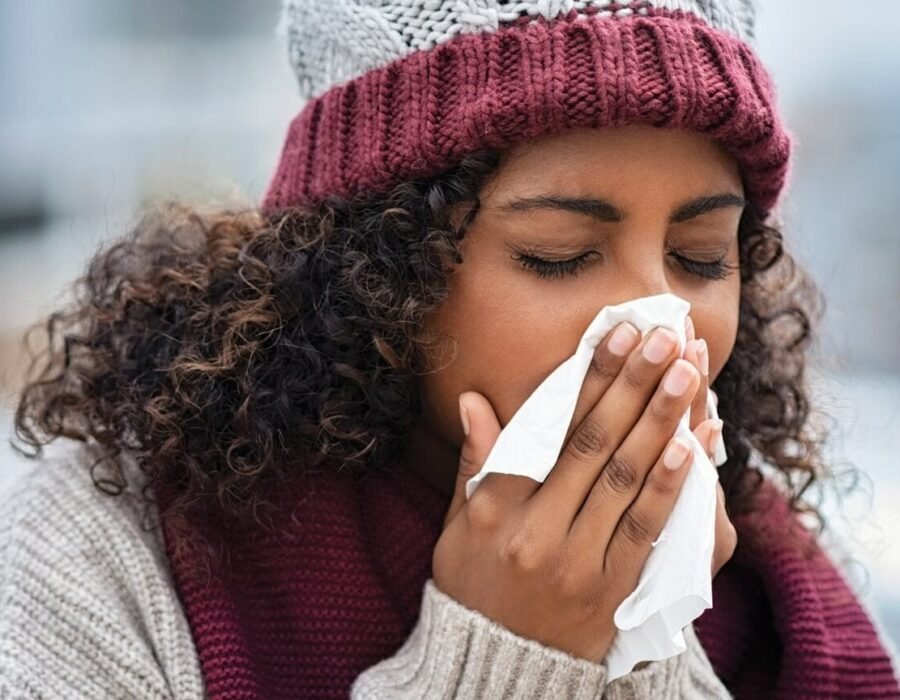
Every fall, like clockwork: the scratchy throat, the congestion, the week of feeling terrible. Every spring: same thing. You watch other people sail through seasonal transitions unaffected while you’re reaching for tissues again. If you’re wondering why you get sick every time the seasons change, you’re not imagining it — seasonal transitions genuinely increase illness risk through a combination of environmental, behavioral, and biological factors. The good news: understanding the mechanisms gives you specific, actionable defenses.
Let me clarify what “sick” usually means here. For most people, it’s not the seasons themselves causing illness — it’s the conditions that seasonal changes create: viruses surviving longer, people crowding indoors, immune systems stressed by environmental shifts, and allergies mimicking or compounding infections. Each mechanism has a countermeasure. Let’s map them.
Why You Get Sick Every Time the Seasons Change
Viruses thrive in changing conditions. Cold, dry air — the hallmark of fall and winter transitions — lets respiratory viruses survive longer outside the body and transmit more efficiently. Dry air also dries your nasal mucous membranes, impairing your respiratory tract’s first line of defense. It’s not the cold that makes you sick; it’s that cold air creates ideal conditions for the viruses that do. Spring brings its own viral shifts as temperature fluctuations stress the system.
Behavioral crowding. When weather changes, people move indoors — schools resume, offices fill, social life concentrates in enclosed spaces. More close contact plus recirculated air equals more transmission. The fall “back to school” effect is real: children bring home viruses that sweep through households within weeks of school starting. Your seasonal illness often traces to someone else’s seasonal behavior change.
Immune system stress from environmental shifts. Rapid temperature fluctuations, changing daylight (affecting sleep and circadian rhythms), and the physiological stress of adaptation can temporarily suppress immune function. The body handles stable conditions well; transitions are metabolically expensive. This is why the change itself — not just the resulting season — is the vulnerable period.
Allergies masquerading as (or compounding) illness. Fall ragweed, spring pollen — seasonal allergies cause congestion, sore throat, fatigue, and sinus pressure that feel exactly like a cold. Many “seasonal colds” are actually allergies, or allergies weakening your defenses so a virus takes hold. If your seasonal sickness includes itchy eyes, sneezing fits, and clear nasal discharge, suspect allergies first. An allergist can confirm with simple testing.
Vitamin D drops. Less sunlight means less vitamin D synthesis — and vitamin D plays a documented role in immune function. The fall/winter decline correlates with increased respiratory infection susceptibility. This doesn’t mean megadosing (more isn’t better), but maintaining adequate levels through the dark months is sensible — discuss testing and supplementation with your doctor.
Sleep disruption. Daylight saving changes, shifting light exposure, and back-to-school schedule upheavals disrupt sleep — and even modest sleep deprivation significantly impairs immune function. The week after daylight saving transitions shows measurable spikes in various health issues. Protect your sleep during transitions deliberately.
How to Stop Getting Sick Every Season Change: The Defense Plan
Before the transition (2-4 weeks ahead):
- Get vaccinated. Flu shots (annual, ideally by October), COVID boosters per current guidance, and other recommended vaccines. This is the single highest-impact preventive measure. The CDC’s vaccine guidance keeps current recommendations clear.
- Optimize sleep. Bank good sleep before the transition stress hits. Consistent schedule, adequate duration — your immune system’s foundation.
- Check vitamin D. If you’re deficient (common in northern latitudes), supplementing to adequate levels before winter supports immune function.
- Address allergies proactively. If fall/spring allergies hit you yearly, start antihistamines or nasal steroids BEFORE symptoms begin — they’re far more effective preventively than reactively. See an allergist if OTC approaches fail.
During the transition:
- Hand hygiene. Still the most underrated intervention. Wash thoroughly and often, especially after public spaces. It feels basic because it is — and it works.
- Humidify indoor air. Maintaining 40-60% indoor humidity impairs viral transmission and keeps your mucous membranes functional. A simple hygrometer ($10) tells you where you stand; a humidifier fixes it.
- Ventilate. Crack windows when possible, use exhaust fans, consider a HEPA air purifier for bedrooms. Diluting indoor viral load matters.
- Don’t touch your face. Viruses enter through eyes, nose, mouth. This habit is hard to build and genuinely protective.
- Manage the indoor environment. As homes seal up for changing weather, indoor pollutants concentrate — dust, pet dander, cooking fumes. Regular ventilation, clean HVAC filters, and HEPA vacuuming reduce the respiratory burden your immune system handles daily. Cleaner indoor air means fewer irritated airways — and irritated airways catch everything going around.
Support your immune system generally: regular moderate exercise (boosts immune surveillance — see our exercise starter guide), adequate sleep, stress management (chronic stress suppresses immunity — our stress guide covers the techniques), and good nutrition. No supplement “boosts” immunity beyond correcting deficiencies — save your money on immune-boosting hype and invest in the fundamentals.
When Seasonal Sickness Needs Medical Attention
See a doctor if: symptoms persist beyond 10-14 days without improvement, you have difficulty breathing or chest pain, fever exceeds 103°F or lasts more than 3 days, symptoms improve then suddenly worsen (possible secondary bacterial infection), or you have underlying conditions (asthma, COPD, immune suppression, heart disease) that make respiratory infections riskier. Also discuss with your doctor if you get sick EVERY transition despite preventive measures — there may be underlying factors (allergies needing prescription treatment, immune issues, chronic sinus problems) worth investigating.
The Bottom Line
You get sick when seasons change because viruses thrive in transitional conditions, people crowd indoors, environmental shifts stress your immune system, allergies weaken defenses, vitamin D drops, and sleep gets disrupted. Fight back systematically: vaccinate before transitions, optimize sleep, address allergies proactively, humidify indoor air to 40-60%, ventilate, wash hands, and maintain the exercise-sleep-stress fundamentals year-round. The CDC’s seasonal health guidance keeps recommendations current. Seasonal illness isn’t inevitable — it’s the result of predictable mechanisms meeting unprepared defenses. Prepare the defenses, and you can be one of those people who sails through the transitions wondering what everyone else is sniffling about.