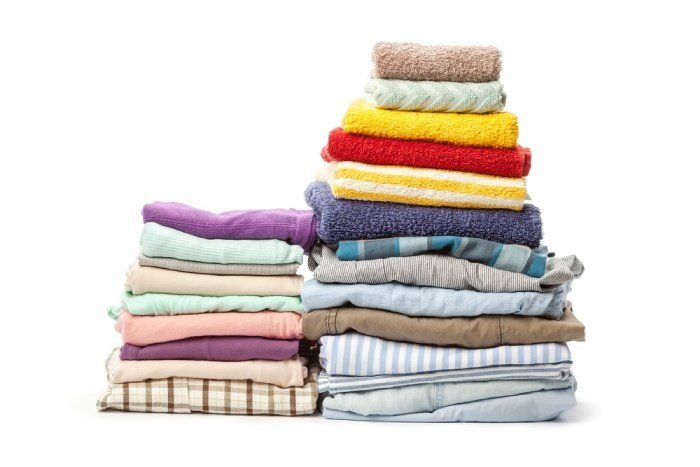
Learning how can I make my laundry routine more efficient became critical when I realized I was spending six hours weekly on laundry for a family of four. Six hours! Washing, drying, folding, putting away, plus the mental load of the perpetual basket mountain. I systemized it like a factory process, and now it’s under three hours with zero weekend laundry marathons.
Laundry efficiency isn’t about fancier machines. It’s about sorting systems, batching, and eliminating the bottlenecks where laundry stalls. Here’s the complete optimization.
The sorting system that makes your laundry routine efficient
Sorting as you go beats sorting on laundry day. Use a multi-compartment hamper: lights, darks, and delicates/towels. Every family member sorts at drop-off, which takes two seconds and eliminates the 20-minute pre-wash sort. Kids as young as four can learn the compartments with picture labels. This single change removes the most hated laundry step entirely.
Wash full loads but don’t overstuff; overfilled machines clean poorly and wrinkle more. A good rule: you should be able to fit your hand vertically above the load. Combine small similar loads rather than running half-empty machines. Fewer, fuller loads mean fewer cycles weekly, which is the core of efficiency.
Wash smarter: settings that save time and money
Wash cold for almost everything. Modern detergents clean effectively in cold water, and 90 percent of washing machine energy goes to heating water. Cold washing also prevents shrinking and color bleeding, reducing sorting needs further. Reserve hot water for bedding, towels, and genuinely soiled items. This one switch cuts energy costs and extends clothing life.
Use the right amount of detergent: most people use twice what’s needed, leaving residue that makes clothes dingy and machines smelly. Follow the lines on the cap for your load size, not your habits. Skip fabric softener on towels and athletic wear; it coats fibers and reduces absorbency. Add white vinegar to the rinse cycle instead: softens naturally, deodorizes, and costs pennies. The Department of Energy confirms cold washing and full loads as the top efficiency moves.
- Wash cold for 90 percent of loads. Saves energy and prevents shrinking.
- Measure detergent properly. More soap means more residue, not cleaner clothes.
- Use mesh bags for delicates and small items. No more lost socks.
- Clean the machine monthly: hot empty cycle with vinegar keeps it efficient.
Drying: faster without the damage
Shake out each item before it goes in the dryer; this alone cuts drying time noticeably. Clean the lint filter every single load; a clogged filter can double drying time and is a fire hazard. Use wool dryer balls instead of sheets: they separate clothes for faster drying, reduce static naturally, and last for years. A $10 set pays for itself in months.
Dry similar fabrics together: heavy jeans with light t-shirts means the shirts overdry while jeans stay damp. Pull items as they finish rather than waiting for the slowest piece. Better yet, air-dry what you can: a folding rack handles delicates and everyday items free, and line drying slashes both energy bills and carbon footprint. Reserve the dryer for towels, bedding, and time crunches.
Folding and putting away: kill the bottleneck
Here’s where most laundry routines die: clean clothes sit in baskets for days because folding feels monumental. The fix is folding immediately when the dryer buzzes, while clothes are warm and wrinkle-free. It takes 10 minutes per load versus 30 minutes of re-wrinkled wrestling later. Put on a podcast and make it pleasant.
Simplify folding ruthlessly. File-folding (standing clothes vertically in drawers) saves space and lets you see everything, but even basic folding works if it’s immediate. Better: minimize what needs folding. Hang what you can straight from the dryer; use drawer dividers for the rest. And put away immediately after folding: the 5-minute put-away prevents the chairdrobe, that chair where clean clothes live for a week. Enlist the household: everyone folds and puts away their own. Laundry is a team sport.
The weekly schedule that ends laundry day
Stop saving laundry for one massive weekend day. Instead, run one load daily: start it in the morning, move to dryer at lunch or after work, fold in the evening. One load daily takes 15 minutes of active time versus a 4-hour Saturday marathon. Assign load types to days: Monday darks, Tuesday lights, Wednesday towels and bedding, and so on. The rhythm becomes automatic.
This daily-load system means no hamper ever overflows, no marathon sessions, and always-clean essentials. If daily feels like too much, try every-other-day. The principle: small frequent batches beat giant infrequent ones. Pair it with the nightly home reset; laundry folded and put away is part of what makes a house feel calm instead of chaotic.
Declutter the wardrobe to shrink the laundry
Radical thought: less clothing means less laundry. A streamlined wardrobe of favorites you actually wear generates fewer loads than a bursting closet of maybes. If you wear 20 percent of your clothes 80 percent of the time, the rest is just laundry inventory. Purging the unworn cuts both closet chaos and wash volume.
Choose fabrics strategically going forward: wrinkle-resistant, quick-dry, and versatile pieces reduce ironing and drying time. Uniform dressing, a personal rotation of similar outfits, isn’t boring; it’s efficient. Fewer decisions, fewer loads, faster mornings. Laundry efficiency starts at the clothing rack, not the washing machine.
Maintain your machines and the efficiency sustains itself. Clean the washing machine monthly with a hot empty cycle and vinegar to prevent odor and residue buildup. Check dryer vents yearly; clogged vents are fire hazards and efficiency killers. Replace hoses every five years to prevent floods. These 30-minute maintenance tasks prevent the breakdowns that destroy laundry routines overnight. A well-maintained machine cleans better, dries faster, and lasts years longer, which is efficiency compounding over the appliance’s lifetime.
The bottom line
Making your laundry routine more efficient means sorting at drop-off, washing cold in full loads, drying smart with clean filters and dryer balls, folding immediately, and running one small load daily instead of weekend marathons. Systematize it this week. Your future self, with empty hampers and free Saturdays, says thanks.