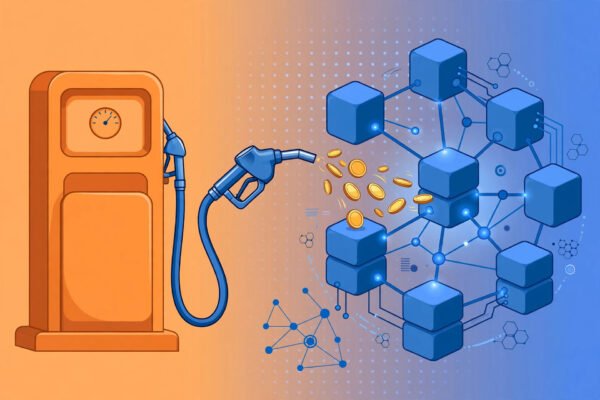
Ethereum is the second-largest cryptocurrency and the backbone of an enormous share of decentralized finance, NFTs, and stablecoin activity. It’s also famous for something less flattering: fees that can turn a modest investment into an expensive lesson. So how long does it take to invest in Ethereum without losing money to high fees in 2026? The real question underneath is better: how do you structure the whole process so fees never eat your returns in the first place?
The answer has changed dramatically in the last few years. Between Ethereum’s Layer 2 networks, smarter buying methods, and timing strategies, a careful beginner can now build an Ethereum position with fees measured in cents rather than dollars. Here’s the complete playbook.
Why Ethereum Fees Were the Problem (and Mostly Aren’t Anymore)
Ethereum’s main network charges “gas” for every transaction, priced by real-time demand. During the last bull market’s peaks, a single swap could cost $50 or more — genuinely more than many beginners were investing. That era shaped Ethereum’s expensive reputation, and plenty of 2026 guides still warn about it as if nothing changed.
What changed is where the activity moved. Ethereum’s Layer 2 networks — Base, Arbitrum, Optimism, and others — process transactions off the main chain and settle them in bundles, cutting fees by 90% or more while inheriting Ethereum’s security. For buying and holding ETH as an investment, you rarely need to touch the expensive mainnet at all anymore.
The Actual Timeline: Minutes, Not Days
Here’s the honest timeline for a fee-smart Ethereum investment in 2026. Setting up an account on a major U.S. exchange and completing identity verification: 10 minutes to a day depending on the platform. Buying ETH with a bank transfer (ACH): the purchase itself takes minutes, though the funds may take a few days to fully clear for withdrawal. Buying with a debit card: instant, but you’ll pay a noticeably higher fee — usually 2–4% versus under 1% for bank transfers.
Moving your ETH to your own wallet on a Layer 2 network: minutes, for pennies. So the realistic answer is that you can be fully invested within an hour of deciding to start, with total fees under 1–2% if you use bank transfers and cheap networks. The “how long” question matters less than the “how” — rushing with a debit card on mainnet is what makes it expensive.
Choose the Cheapest On-Ramp
Your biggest fee decision happens before you own any ETH: how you convert dollars to crypto. Ranked roughly from cheapest to most expensive for a U.S. beginner:
ACH bank transfer on a major exchange. Typically the lowest percentage fee, often well under 1%. The tradeoff is settlement time — your purchase may be instant but withdrawals can be held for several days.
Wire transfer for larger amounts. Flat wire fees ($10–25 from your bank) become trivial on a $5,000+ purchase, making this the cheapest per-dollar method at size.
Debit card purchases. Instant and convenient, but the 2–4% fee is the single most expensive choice most beginners make. On a $500 purchase, that’s $10–20 gone before you own anything.
PayPal, Apple Pay, and similar. Convenient, priced like debit cards. Fine for tiny test purchases; wasteful as a habit.
Trimming these purchase costs is the same discipline as cutting everyday expenses — small percentage leaks, repeated monthly, quietly decide how much of your money actually ends up invested.
Buy on the Network You’ll Actually Use
Here’s the trick most fee guides bury: buy ETH directly on a Layer 2 network when your exchange supports it. Several major U.S. exchanges now let you withdraw ETH directly to Base or Arbitrum, skipping the mainnet entirely. That one selection in the withdrawal dialog is the difference between a multi-dollar mainnet withdrawal fee and a sub-dollar Layer 2 one.
If your exchange doesn’t offer direct Layer 2 withdrawals, the alternative is buying on mainnet and bridging — but bridging itself costs a mainnet transaction, which defeats the purpose for small amounts. In that case, consider whether you even need the ETH in your own wallet yet. For a pure buy-and-hold investment, leaving it on a reputable exchange temporarily while you learn is a reasonable, fee-free holding pattern — just understand the tradeoff in custody risk.
Timing and Batching: The Fee Multipliers Nobody Mentions
Two habits separate fee-smart investors from fee-bleeding ones. First, batch your buys. Five $100 purchases mean five sets of fees; one $500 purchase means one. If you’re dollar-cost averaging, consider monthly buys instead of weekly — you’ll barely change your average entry price, but you’ll cut fee drag substantially.
Second, avoid transacting during network congestion. Gas prices spike during major market moves, NFT mints, and U.S. weekday afternoons. If a transaction isn’t urgent, waiting for a quiet Sunday morning can cut the fee in half. Free gas trackers show current prices in plain English; check one before any on-chain move.
Dollar-Cost Averaging Without the Fee Drag
Dollar-cost averaging — buying a fixed dollar amount on a schedule — is the right strategy for most Ethereum beginners. But DCA on-chain, transaction by transaction, is a fee trap. The fee-smart version: DCA your purchases on the exchange (where buying costs a flat low percentage and holding is free), and only move to your own wallet when the balance justifies the withdrawal fee. One monthly withdrawal instead of four weekly ones quarters your custody costs.
Some exchanges also offer recurring buys with reduced fees. Compare the recurring-buy fee against manual purchases — the convenience premium is sometimes zero, sometimes meaningful.
Secure the Accounts Before the Money Arrives
A fee-optimized investment means nothing if the account gets drained. Before your first purchase clears, set up two-factor authentication on your accounts — the exchange, the email behind it, and your wallet app. Exchange account takeovers remain one of the most common ways Americans lose crypto, and the victims are disproportionately beginners who skipped this ten-minute step.
Also beware of “fee” scams: fake support agents who contact you claiming your withdrawal needs an extra fee paid to a special address, and phishing texts impersonating exchanges. Learning how to spot scam text-message links protects the investment you’re working to build cheaply. Legitimate exchanges never ask you to send crypto to “release” your funds.
What About Taxes on Your ETH?
Buying ETH with dollars isn’t taxable. But the moment you later sell, swap it for another crypto, or spend it, you’ve triggered a taxable event in the U.S. — and the IRS expects you to track every one. The IRS virtual currency FAQ lays out the federal treatment, and starting clean records from your first purchase is far easier than reconstructing two years of trades later.
Before committing real money, it’s also worth reading Investor.gov’s introduction to investing — the SEC’s plain-English guide to risk, diversification, and due diligence applies to Ethereum just as much as to stocks.
Conclusion
Investing in Ethereum without losing money to high fees in 2026 comes down to four decisions: fund purchases with cheap ACH bank transfers instead of debit cards, buy and hold on a Layer 2 network like Base or Arbitrum, batch your buys monthly instead of weekly, and time on-chain moves for quiet periods. Do those four things and your total fee drag drops from potentially 5%+ to under 1–2%, with the whole process taking under an hour of active effort. Ethereum’s fee problem was real — but in 2026, it’s a solved problem for anyone who plans the route before spending the money.
Frequently Asked Questions
What is the cheapest way to buy Ethereum in the US?
An ACH bank transfer on a major exchange, typically costing well under 1% in fees. Debit cards are faster but charge 2–4%, which adds up quickly on recurring buys.
Do I need a crypto wallet to invest in Ethereum?
Not immediately. You can buy and hold ETH on a reputable exchange while you learn. Move to your own wallet once the balance justifies the withdrawal fee and you’ve learned to secure a recovery phrase.
Are Ethereum Layer 2 networks safe?
Major Layer 2s like Base, Arbitrum, and Optimism inherit Ethereum’s security for settlement and have operated for years with billions in value. They carry some additional technical risk versus mainnet, but for typical investors the fee savings far outweigh it.
How much should I invest in Ethereum as a beginner?
Only money you can afford to lose entirely — crypto remains volatile regardless of fees. Many advisors suggest limiting speculative assets to a small single-digit percentage of your portfolio, per the risk principles at Investor.gov.