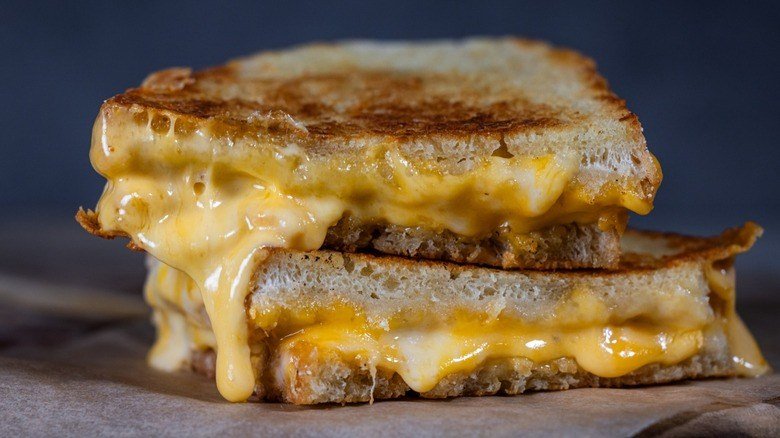
A grilled cheese should be a simple thing — bread, cheese, heat — yet so many homemade versions come out pale, soggy, or unevenly cooked. If you’re asking why does my grilled cheese never get golden brown, the answer is almost always about heat management and fat, not about your ingredients. I’ve made hundreds of grilled cheeses (it’s my ultimate comfort food), and the difference between a sad pale sandwich and a shatteringly crisp, evenly golden one comes down to a handful of technique details.
Let’s start with what golden-brown actually is: the Maillard reaction, the same browning that makes seared steak and toasted bread delicious. It needs three things — protein, a little sugar, dry heat, and enough temperature. Bread has all the raw materials; your job is providing the right heat for the right amount of time. Too little heat and you get a warmed sandwich with melted cheese but no crust. Too much and the outside burns before the cheese melts. The sweet spot is narrower than people think, but it’s easy to hit once you know it.
Why Does My Grilled Cheese Never Get Golden Brown? The Heat Problem
The number one mistake is cooking too hot. I know it seems counterintuitive — you want browning, so you crank the heat, right? Wrong. High heat browns the outside in 60 seconds while the cheese inside stays cold and solid. Then you’re stuck choosing between burnt bread and unmelted cheese. The fix: medium-low heat, always. A proper grilled cheese takes 3–4 minutes per side. If yours is done in 90 seconds, your pan is too hot.
Preheat the pan properly before the sandwich goes in. A cold pan means the bread steams instead of searing, giving you soggy instead of crisp. I heat my skillet over medium-low for 2–3 minutes, then test with a drop of water — it should sizzle gently. Cast iron and stainless steel give the best browning because they hold steady heat; thin nonstick pans develop hot spots that brown unevenly. If all you have is nonstick, use lower heat and rotate the sandwich halfway through each side.
The lid trick changed my grilled cheese game: cover the pan for the first minute of each side. The trapped steam helps the cheese melt faster, so the inside and outside finish at the same time. Just don’t leave it covered the whole time — prolonged steaming softens the crust. One minute covered, then uncovered to crisp. It’s the best of both worlds.
Butter vs. Mayo: The Great Debate
Let’s settle this. Traditional butter gives you rich flavor and beautiful browning — but it has a low smoke point and burns easily if your heat creeps up. Mayonnaise (yes, really) is the insider trick: it’s mostly oil and egg, so it browns evenly and crisply without burning, and it creates an incredibly uniform golden crust. The mayo flavor cooks off completely — I promise no one will taste it.
Here’s my honest verdict after extensive testing of both: mayo gives a more even, reliably golden crust with less risk of burning. Butter tastes better — richer, more complex. My solution? A thin layer of mayo on the outside for browning, plus butter in the pan for flavor. Best of both. If you only pick one, choose based on your priority: foolproof crispness (mayo) or maximum flavor (butter).
Whichever fat you use, apply it edge to edge. Missed spots don’t brown — they stay pale and sad. Softened butter spreads more evenly than melted butter, which tends to pool. And use enough: a thin, stingy layer gives patchy browning. You want a complete, even coating, like you’re buttering toast generously.
The cheese factor
- Use a melting cheese: American, cheddar, Gruyère, fontina, and Monterey Jack all melt beautifully. Aged, dry cheeses (like Parmesan alone) don’t melt well — use them as accents, not the base.
- Shred it yourself: pre-shredded cheese is coated with anti-caking starch that inhibits smooth melting. A block and a box grater take 60 seconds and melt dramatically better.
- Room temperature cheese melts faster: take it out 15 minutes before cooking. Cold cheese straight from the fridge needs more heat-time, which risks burning the bread.
- Don’t overstuff: too much cheese insulates itself and won’t melt through. Two to three ounces is plenty for a standard sandwich.
- Layer strategically: put a slice against each piece of bread with shredded cheese in the middle — the slices create a moisture barrier that keeps the bread crisp.
Bread Choices and Advanced Moves
Not all bread browns equally. Standard sandwich bread works fine, but sturdier breads — sourdough, country white, Texas toast — give you a better crust-to-interior ratio and hold up to the cheese without getting soggy. Avoid very soft, airy breads; they compress and steam. Day-old bread actually makes better grilled cheese than fresh — it’s slightly drier, so it crisps faster.
Once you’ve mastered the classic, the variations are endless. The inside-out grilled cheese (cheese both inside and crusted on the outside of the bread) is outrageously good — press shredded Parmesan onto the buttered exterior and it forms a lacy, crispy cheese crust. Add-ins that work: caramelized onions, tomato slices (pat them dry first), bacon, apple slices with cheddar, or pesto. The rule for add-ins is the same as pizza toppings — keep them relatively dry and don’t overstuff.
For the ultimate grilled cheese night, pair it with tomato soup (the classic for a reason — the acidity cuts the richness perfectly) and a crisp side salad with homemade healthier dressing. And if you’re building a whole comfort-food spread, learn how to cook quinoa without the sogginess for a surprisingly good soup companion. The Maillard reaction on Wikipedia explains the browning science if you’re curious.
So why does your grilled cheese never get golden brown? Too much heat, not enough patience, uneven fat application, or cold cheese fighting the clock. Go medium-low, give it 3–4 minutes a side, coat edge-to-edge with mayo or butter, and use the lid trick for the melt. Do that, and you’ll get the shattering, evenly golden crust that makes a grilled cheese transcendent instead of just fine.