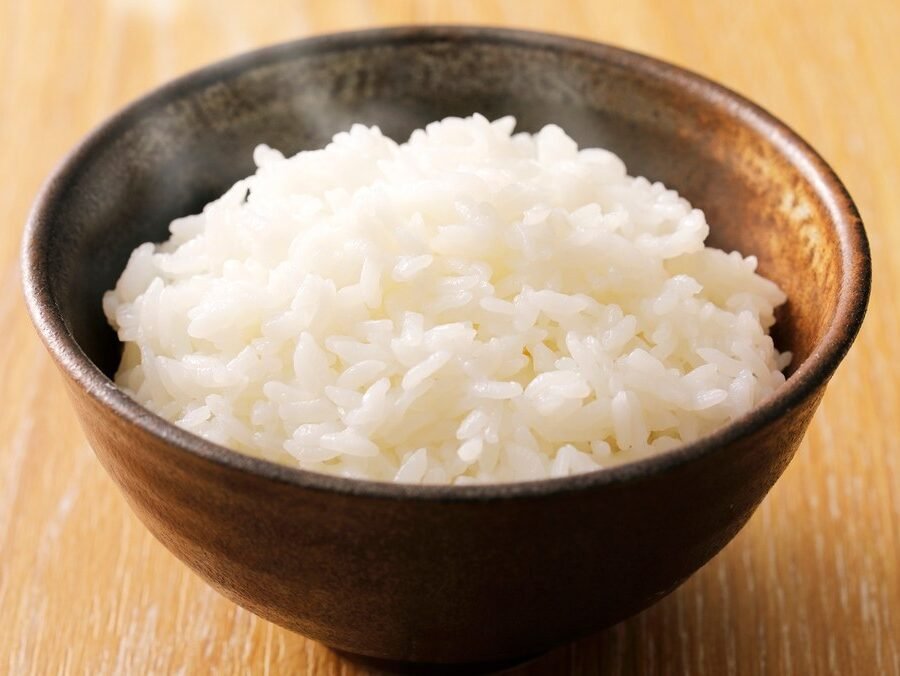
If you’ve ever wondered why does my rice always turn out mushy, you’re not alone. I spent years serving up sad, gummy rice that clumped into one giant blob on the plate, and it drove me nuts. The good news is that mushy rice is almost never a rice problem — it’s a technique problem, and the fixes are surprisingly simple. Once I figured out what I was doing wrong, my rice went from cafeteria-grade mush to fluffy, separate grains almost overnight.
The frustrating part is that most of us were never really taught how to cook rice. We eyeball the water, crank the heat, peek under the lid ten times, and then wonder what went wrong. Every one of those habits contributes to mushy rice. Let’s break down exactly what’s happening in your pot and how to fix it for good.
Why Does My Rice Always Turn Out Mushy? The Most Common Culprits
The number one reason rice turns out mushy is too much water. It sounds obvious, but most package directions give you a one-size-fits-all ratio that doesn’t account for your specific rice, your pot, or your stove. For standard long-grain white rice, a 1:2 ratio of rice to water (by volume) works well, but for jasmine or basmati you often need less — around 1:1.5. Short-grain rice needs slightly more water, but not much.
Here’s what I do now: I rinse my rice first, which removes excess surface starch — the stuff that turns the cooking liquid into glue. Put the rice in a fine-mesh strainer and run cold water over it until the water runs mostly clear. This single step made the biggest difference for me, honestly. Then I measure carefully instead of guessing. Guessing is how you end up with soup.
The second big culprit is heat management. If your burner is too hot, the bottom burns while the top steams unevenly. Too low, and the rice sits in water too long and turns to paste. Bring the pot to a boil, then immediately drop the heat to the lowest setting that keeps a gentle simmer, cover it, and walk away. Don’t touch it. Don’t peek. Every time you lift the lid, steam escapes and the cooking rhythm breaks, which can leave you with half-mushy, half-crunchy rice.
The Resting Step Nobody Does (But Should)
After about 18 minutes for long-grain white rice, take the pot off the heat and let it sit, lid still on, for 10 full minutes. This resting period lets the moisture redistribute evenly through the grains. I know it’s tempting to fluff it immediately, but patience here is the difference between good rice and great rice.
When you finally open the lid, fluff the rice with a fork — not a spoon, which crushes grains. A fork gently separates the grains and lets excess steam escape. If the bottom of the pot has a thin crust, that’s actually delicious (it’s called the tahdig in Persian cooking, and people fight over it), but if the whole pot is stuck, your heat was too high.
Water ratios that actually work
- Long-grain white rice: 1 cup rice to 2 cups water, 18 minutes simmer + 10 minutes rest
- Jasmine rice: 1 cup rice to 1.5 cups water, 15 minutes simmer + 10 minutes rest
- Basmati rice: 1 cup rice to 1.5 cups water, 15 minutes simmer + 10 minutes rest (soak 30 minutes first for extra-long grains)
- Brown rice: 1 cup rice to 2.25 cups water, 40-45 minutes simmer + 10 minutes rest
Choosing the Right Rice and the Right Equipment
Not all rice behaves the same, and sometimes the bag itself is the problem. Older rice — the kind that’s been sitting in your pantry for a year — absorbs water differently than fresh rice and can turn mushy no matter what you do. If you’ve had the same bag forever, it might be time for a fresh one. Store rice in an airtight container in a cool, dark place, and try to use it within six months for the best flavor and texture.
Your pot matters more than you’d think. A heavy-bottomed saucepan with a tight-fitting lid distributes heat evenly and traps steam properly. If your lid is loose or warped, steam escapes, and you end up adding water or cooking longer, both of which lead to mush. A simple test: if you can hear a loud hiss and see lots of steam escaping around the lid, your pot isn’t sealing well.
Also worth knowing: if you rinse your rice and don’t adjust, you’re adding extra water that throws off your ratio. After rinsing, let the rice drain in the strainer for a few minutes, or reduce the cooking water by about 2 tablespoons per cup of rice. For food safety guidance on storing cooked rice properly, the FDA’s food safety resources are worth a look — leftover rice needs to be refrigerated within an hour or two, which surprises a lot of people.
If you love cooking with rice regularly, it might be worth learning more about your kitchen tools in general. A well-kept pan changes everything — check out my guide on how to season a cast iron skillet properly for equipment that lasts decades, and if you’re thinking about what’s going in the pot with that rice, the healthiest cooking oils to use daily is a good companion read.
Quick Troubleshooting Checklist
Let’s put it all together. Next time you cook rice, run through this list and I promise your results will improve:
- Rinse the rice until the water runs clear.
- Measure rice and water with an actual measuring cup — no eyeballing.
- Use a heavy pot with a tight lid.
- Bring to a boil, then reduce to the lowest possible simmer.
- Do not lift the lid during cooking. Seriously. Don’t.
- Rest the rice off the heat for 10 minutes with the lid on.
- Fluff with a fork, season, and serve.
Once you’ve nailed the basics, you can play around — a bay leaf in the cooking water, a knob of butter stirred in at the end, or a squeeze of lime for cilantro-lime rice. But master the fundamentals first. Fluffy, separate grains are your reward, and once you taste properly cooked rice you’ll never go back to the mushy stuff. Trust me, I learned the hard way so you don’t have to.