

You brew two cups of tea from the same box, the same way, and they taste completely different. One is rich and satisfying; the other is bitter, weak, or just… off. If you’re wondering why does my tea taste different every time I make it, you’re not imagining it — tea is remarkably sensitive to small variables, and most of us change several of them every time without realizing it. I’ve been a daily tea drinker for decades, and dialing in consistency transformed my morning cup from a gamble into a ritual I can count on.
Tea seems simple — leaves plus water — but that simplicity means every variable shows up in the cup. Water temperature, steep time, leaf amount, water quality, even the cup you drink from all shift the flavor. The good news: once you identify which variables you’re accidentally changing, consistency is easy. Let’s go through them.
Why Does My Tea Taste Different Every Time I Make It? The Big Five Variables
1. Water temperature (the biggest offender)
This is the number one cause of inconsistent tea. Most people boil water and pour it immediately — but different teas need different temperatures. Green tea brewed with boiling water turns bitter and astringent (the high heat over-extracts tannins); it wants 160–180°F. Black tea wants a full boil (200–212°F) for proper extraction; underheated water gives you weak, flat black tea. Oolong likes 185–205°F depending on type. White tea prefers 160–175°F.
The fix is simple: get an electric kettle with temperature settings (they’re $25–40 and life-changing for tea drinkers), or learn the visual cues. Boiling is obvious; for green tea temperatures, let boiling water sit for 3–5 minutes, or watch for the “fish eyes” stage — small bubbles just starting to form on the bottom, around 160–170°F. I mark my kettle’s fill line and use the same timing every morning, and my tea finally tastes the same every day.
2. Steep time
Two minutes versus five minutes is a completely different cup. Over-steeping extracts bitter tannins and makes any tea harsh; under-steeping gives you flavored water. The standard guidelines: black tea 3–5 minutes, green tea 2–3 minutes, oolong 3–5 minutes (and it’s great for multiple infusions), white tea 4–5 minutes, herbal 5–7 minutes. But here’s the key — pick a time and stick to it. Set a timer. I use my phone for exactly 3 minutes on my morning black tea, and the consistency is remarkable.
Remove the tea bag or strain the leaves when the timer goes off. Leaving the bag in the cup while you drink means the tea keeps extracting and gets progressively more bitter — this alone explains half of all “my tea tasted different” complaints. If you like strong tea, use more leaves, not more time.
3. Amount of tea
Eyeballing “a spoonful” gives you a different amount every time, especially with loose leaf. The standard is about 1 teaspoon of loose tea per 8 ounces of water (2–3 grams if you want to weigh it). With tea bags, one bag per cup is calibrated by the manufacturer — but cup sizes vary wildly. Your “cup” might be 8 ounces or 16, and the same bag in different volumes gives very different strength. Measure your mug once, know its volume, and adjust bags accordingly.
4. Water quality
Tea is 99% water, so water quality dominates the flavor. Hard tap water (high mineral content) makes tea taste flat and dull and can create an oily film on the surface. Heavily chlorinated water adds off-flavors. If your tea tastes different at home versus at a friend’s house, water is the likely culprit. Filtered water is the single best upgrade for most tea drinkers — a basic pitcher filter is enough. You don’t need fancy spring water; just remove the chlorine and excess minerals.
5. Freshness of the tea itself
Tea goes stale. Ground-style tea bags lose flavor within 6–12 months of opening; loose leaf lasts a bit longer if stored well. An old box of tea tastes flat and dusty compared to a fresh one, and if you’re working through a box over months, the gradual decline can feel like inconsistency when it’s actually just age. Store tea in an airtight container away from light, heat, and moisture — not above the stove, not in a humid cabinet. Buy smaller quantities more often rather than bulk boxes that sit for a year.
Dialing In Your Personal Perfect Cup
Here’s my recommended process: pick one tea you drink regularly. For one week, control every variable — same water (filtered), same temperature (measured), same amount (weighed or counted), same steep time (timed), same mug. Adjust one variable at a time until it tastes exactly how you like it, then write down the “recipe.” I have mine on a sticky note inside my tea cabinet: water temp, grams, minutes. It sounds obsessive; it takes 30 seconds; my tea is perfect every morning.
A few more consistency tips: preheat your mug or teapot with hot water (a cold vessel drops the brew temperature significantly). If you add milk, add it after brewing, not during — milk proteins interfere with extraction. For iced tea, brew double-strength hot and pour over ice (cold-brewing overnight in the fridge gives smoother, less bitter results and is incredibly consistent — just tea plus cold water, 8–12 hours).
Loose leaf versus bags deserves a mention: loose leaf gives you more control and generally better flavor (whole leaves versus the “dust and fannings” in most bags), but quality bags from good brands are perfectly consistent — the manufacturer already controlled the variables for you. If consistency is your goal and you don’t want to fuss, a good bagged tea with controlled water temp and timed steeping is extremely reliable.
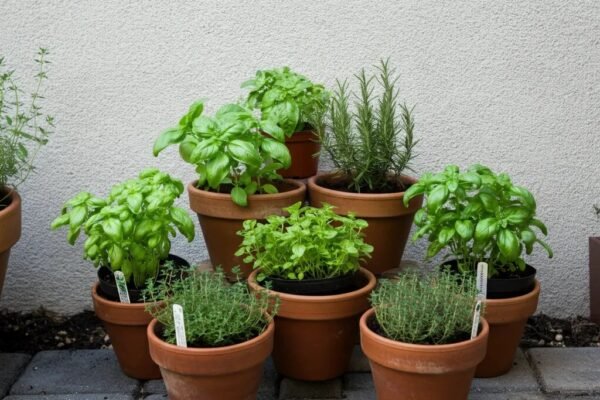
Tea pairs with everything in the kitchen — enjoy it alongside properly frozen homemade meals for easy lunches, or with fresh herbs from your windowsill for custom blends. For a deeper dive into tea types and processing, the Wikipedia article on tea is comprehensive.
So why does your tea taste different every time you make it? Uncontrolled water temperature, inconsistent steep times, varying leaf amounts, tap water fluctuations, or aging tea. Control the big five, write down your recipe, and your morning cup becomes the reliable ritual it should be — one less variable in your day, one more small pleasure you can count on.



1 Comment