Mile eight of your run, your calf seizes into a knot of agony. Or you wake up at 3 AM with a charley horse that makes you question your life choices. If you’re asking why you get muscle cramps after working out, here’s the current science: the old “dehydration and low electrolytes” story is only part of it. The fuller picture involves fatigued nerves, and understanding both halves changes how you prevent them.
The Two Theories (Both Partly Right)
1. Dehydration and electrolyte loss
Heavy sweating depletes fluid and sodium; low blood volume and electrolyte shifts make muscles more excitable. This explains cramps in hot, long, sweaty sessions — marathoners, summer athletes, heavy sweaters. Prevention: hydrate before/during/after, replace sodium (sports drinks or salty snacks) for sessions over 60–90 minutes. Most people are chronically under-hydrated anyway — check the dehydration signs you’re missing.
2. Neuromuscular fatigue (the bigger factor)
The newer, better-supported theory: cramps happen when muscles are worked beyond their accustomed capacity. Fatigued muscles misfire — the spinal reflexes that normally prevent over-contraction malfunction. This explains why cramps strike the muscles you used hardest, in unfamiliar efforts, at the end of long sessions — even in well-hydrated athletes. Pickle juice works (yes, really) not via electrolytes but by triggering a neural reflex that resets the misfiring.
What Actually Prevents Cramps
- Train progressively. The #1 prevention: don’t spike volume or intensity. The 10%-per-week rule exists partly for this.
- Hydrate properly: start hydrated, drink during (water for <60 min; electrolytes beyond), rehydrate after. See staying hydrated during summer workouts.
- Replace sodium for long/sweaty sessions — sports drinks, salt capsules, or just salty food after.
- Warm up and cool down. Cold muscles cramp more; gentle warm-ups prep the neuromuscular system.
- Strengthen the cramp-prone muscles. Stronger calves cramp less — eccentric calf work is the classic fix for runner’s calf cramps.
- Don’t skip the taper before big efforts — fatigued-from-overtraining muscles are cramp-prone.
- Magnesium: only helps if you’re deficient (possible but not the universal cure it’s marketed as).
When a Cramp Hits: Stop It Fast
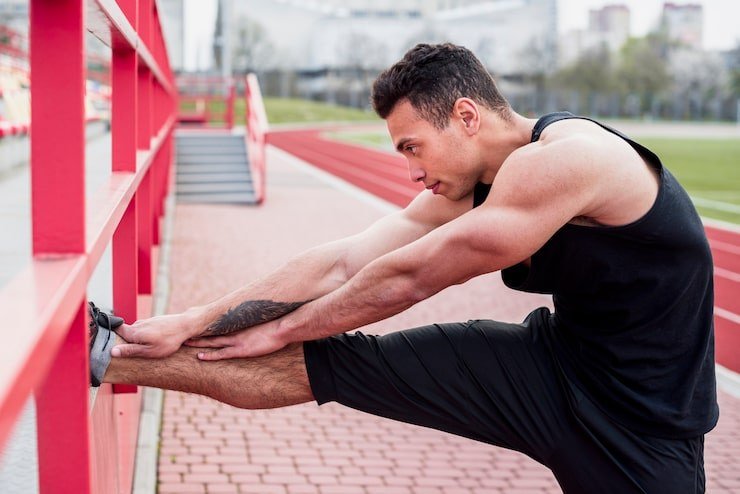
- Stop and stretch the muscle gently — calf: pull toes toward shin; hamstring: straighten leg and lean forward; quad: pull heel to butt.
- Hold the stretch 30+ seconds. Don’t bounce.
- Massage the knot firmly once the acute spasm releases.
- Walk it off gently — light movement restores normal firing.
- Pickle juice or mustard — 2–3 oz at cramp onset; the neural-reflex effect works within a minute for many people.
Nighttime Leg Cramps (Different Beast)
Nocturnal leg cramps aren’t exercise cramps — they’re linked to prolonged sitting, dehydration, certain medications (diuretics, statins), and mineral deficiencies. Different fixes: gentle stretching before bed, staying hydrated through the day, reviewing medications with your doctor, and checking magnesium/potassium intake. If they’re frequent and severe, mention them at your next checkup. For the physiology, the science of muscle cramps covers mechanisms and the evolving theories.
The Electrolyte Guide: What to Actually Replace
“Electrolytes” is marketing-speak for specific minerals. Here’s what each does and when it matters.
Sodium: the big one. You lose 500–1,500mg per hour of sweaty exercise, and sodium drives fluid retention — without it, water goes straight through you. For sessions under an hour in moderate conditions, normal meals cover it. For long, hot, or very sweaty sessions, supplement: sports drinks, salt capsules (300–500mg), or simply salty food afterward. Heavy, salty sweaters (white salt marks on clothes) need more.
Potassium: lost in smaller amounts; rarely the cramp culprit despite banana marketing. Normal diets (fruits, vegetables, potatoes) cover it for almost everyone. Bananas are fine food; they’re not cramp medicine.
Magnesium: involved in muscle relaxation — deficiency genuinely increases cramping, but true deficiency is uncommon in people eating reasonably. Supplement only if deficient (muscle twitches, poor sleep, and cramps together suggest it). Food sources: nuts, seeds, leafy greens, whole grains.
Calcium: minimal sweat losses; dietary intake almost always suffices. Not a cramp factor for most people.
The practical protocol: water + normal food for under 60 minutes; add sodium (sports drink or salt) for 60–120 minutes or heavy sweating; full electrolyte replacement for 2+ hours. Skip the expensive “electrolyte” waters for short workouts — they’re flavored water with a premium price. Match the replacement to the loss, and cramps lose their main accomplice.
The Cramp-Prevention Workout Template
Preventing cramps is mostly about workout design. Here’s the template that minimizes them.
Warm up progressively (10 min): 5 minutes easy cardio, then movement-specific ramp-up — light sets of the actual exercises. Jumping from desk to heavy squats is cramp city; the warm-up tells your neuromuscular system what’s coming.
Hydrate on schedule: 16 oz two hours before, 8 oz right before, 4–8 oz every 20 minutes during. For sessions over 60 minutes or heavy sweating, make it electrolytes — sodium is the cramp-relevant mineral most people under-replace. (See hydration strategy.)
Fuel adequately: cramps love glycogen depletion. Eat carbs 2–3 hours before (or a banana 30 min before), and for sessions over 90 minutes, intra-workout carbs (sports drink, gels) prevent the late-session cramp cascade.
Progress gradually: the 10% rule — don’t increase volume or intensity more than 10% weekly. Most cramp episodes follow a jump: first hot-weather run, first heavy leg day in months, tournament weekend. Novelty plus intensity is the formula; progression defuses it.
Cool down and refuel: 5 minutes easy movement, protein plus carbs within 2 hours, and real sleep. Recovery isn’t separate from cramp prevention — it’s the same process.
Key Takeaways
- Exercise cramps come from neuromuscular fatigue + dehydration/electrolyte loss — both matter.
- Progressive training is the #1 prevention; hydrate with electrolytes for long sessions.
- Stop cramps fast: gentle sustained stretch, massage, pickle juice.
- Strengthen cramp-prone muscles; warm up properly.
- Nighttime cramps are a different issue — check hydration, medications, and minerals.
The Bottom Line
Why you get muscle cramps after working out is usually your muscles saying “that was more than I’m conditioned for” — compounded by fluid and salt losses. Train progressively, hydrate smartly, and keep pickle juice in the pantry. Your calves will stop filing complaints at mile eight.