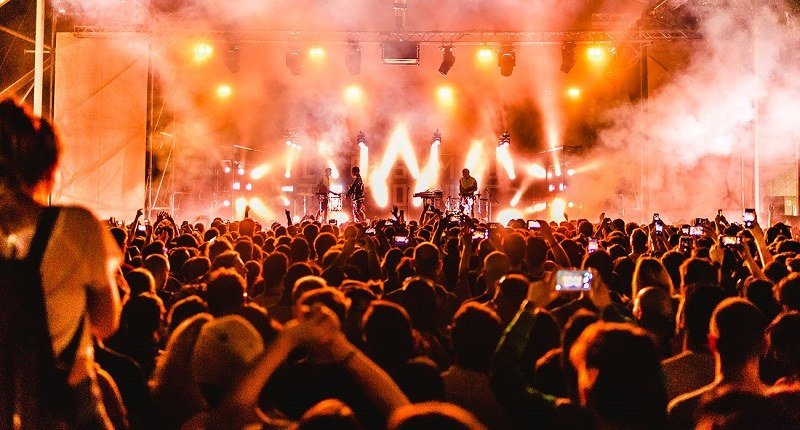
The encore is deafening. Your ears are ringing. Two days later, the ringing is still there — quieter, but present. If you’re asking how to protect your hearing at loud concerts, here’s the urgent truth: noise-induced hearing loss is permanent, cumulative, and completely preventable. A single loud concert can cause irreversible damage. The good news: modern earplugs let you hear the music perfectly while saving your ears.
How Loud Is Too Loud (The Numbers)
- 85 dB: damage begins with prolonged exposure (lawnmower, heavy traffic)
- 100 dB: damage in 15 minutes (subway, factory)
- 110–120 dB: damage in minutes — typical concert range, especially near speakers
- 120+ dB: immediate risk (front row, pyrotechnics)
Most concerts run 100–120 dB for 2–3 hours. Without protection, that’s not “might damage” — it’s “will damage, cumulatively.” And unlike a hangover, it doesn’t recover. The CDC/NIOSH noise guidelines set the exposure limits.
The Earplug Options (Ranked)
1. High-fidelity musician’s earplugs ($15–$30)
The answer for concert-goers. Brands like Etymotic ER20XS, Loop Experience, and EarPeace use acoustic filters that reduce volume evenly across frequencies — music sounds the same, just quieter (~20 dB reduction). No muffling, no distortion. This is what musicians and sound engineers wear. If you do one thing from this article, buy these.
2. Custom-molded musician’s plugs ($150–$250)
Audiologist-fitted, with interchangeable filters (15/20/25 dB). Ultimate comfort and sound quality for frequent concert-goers. Worth it if you attend monthly+.
3. Foam plugs ($0.50)
NRR 30+ — maximum protection, but they muffle music (uneven frequency reduction). Better than nothing by a mile; keep a pair as backup. Roll, pull ear up, insert deep — most people wear them wrong.
What NOT to use
Cotton balls, tissues, fingers — negligible protection. “I’ll just stand in back” — better, but still often 95+ dB.
Concert-Day Strategy
- Wear the plugs from the doors, not the headliner. Opening acts are loud too, and damage is cumulative across the night.
- Distance matters enormously. Every doubling of distance from speakers drops ~6 dB. The front row can be 15 dB louder than the back — that’s a massive difference in damage.
- Take quiet breaks. Step to the lobby between sets; your ears partially recover during breaks.
- Don’t stand next to the stacks. Obvious, ignored constantly.
- Protect kids aggressively. Planning the whole outing? What to wear to an outdoor concert in the fall covers the rest of the logistics. Children’s ears are more vulnerable; earmuffs (not just plugs) for young kids at loud events.
- Bring spares. Hand a pair to the friend who “forgot.” You’ll make their decade. And if you love outdoor shows, dressing right for fall concerts pairs with hearing protection for the full experience.
Warning Signs You’ve Already Got Damage
- Tinnitus (ringing) lasting more than 24 hours after noise exposure
- Muffled hearing that doesn’t fully clear
- Difficulty hearing conversation in noisy restaurants (early high-frequency loss)
- Needing the TV louder than others prefer
See an audiologist for a baseline hearing test — it takes 20 minutes and gives you something to protect. Existing tinnitus or loss makes future protection more urgent, not less. For the audiology, how noise damages hearing covers the hair-cell destruction (which doesn’t regenerate).
Hearing Protection Beyond Concerts
Concerts get the attention, but daily noise exposure does the real cumulative damage. The same protection principles apply everywhere loud.
Everyday offenders: lawnmowers and leaf blowers (90–100 dB), power tools (95–110 dB), motorcycles (95+ dB), sporting events (90–110 dB — stadiums rival concerts), movie theaters (85–100 dB in action scenes), and even fitness classes with cranked music (95+ dB). None feel “dangerous” the way a concert does, which is exactly why they accumulate damage silently.
The 85 dB rule: 85 decibels for 8 hours is the occupational damage threshold — and every 3 dB halves the safe time (88 dB = 4 hours, 91 dB = 2 hours, 100 dB = 15 minutes). Free phone apps (NIOSH SLM, Decibel X) measure reasonably accurately — check your regular environments once; the results surprise most people.
Headphones: the modern hearing destroyer. The 60/60 rule — 60% volume, 60 minutes max before a break — exists for a reason. Noise-canceling headphones are hearing protection: by blocking background noise, they let you listen at lower volumes. In loud environments (planes, subways), they’re safer than earbuds cranked to compete.
Workplace noise: if you work around loud equipment, your employer is legally required to provide protection (OSHA). Use it — occupational hearing loss is the most common (and most preventable) workplace injury.
Hearing loss is cumulative and irreversible — every loud exposure spends from the same account. Protect the everyday exposures and the concerts take care of themselves.
Concert Earplug Guide: What to Buy
Not all earplugs are equal. Here’s the breakdown by type and price.
Foam plugs ($0.50/pair): NRR 30+ — maximum protection, terrible sound quality. Everything sounds muffled and bassy. Fine for the lawn seats at a festival; awful for appreciating the music. Keep a pair as backup.
High-fidelity universal ($15–$30): Etymotic ER20XS, Loop Experience, Earos One. NRR 12–20 with flat attenuation — music sounds like music, just quieter. This is the sweet spot for 95% of concertgoers. Buy once, use for years.
Custom-molded ($150–$250): audiologist-made to your ear canals, interchangeable filters (9/15/25 dB). The gold standard — perfect fit, best sound, all-night comfort. Worth it if you attend 10+ loud events yearly or play music yourself.
What to avoid: “noise-cancelling” earbuds as protection (they don’t seal enough), cotton balls (NRR ~7, basically decorative), and cheap “concert plugs” with no published NRR rating.
The fit check: properly inserted plugs should make your own voice sound boomy and hollow (the occlusion effect) — that’s the seal working. If the music sounds unchanged, they’re not seated. Roll foam plugs thin, pull the ear up and back, insert deep. Technique matters as much as product.
Key Takeaways
- Concerts run 100–120 dB; damage starts in minutes without protection — and it’s permanent.
- High-fidelity musician’s earplugs ($15–$30) protect without ruining the music.
- Distance from speakers + quiet breaks multiply your protection.
- Foam plugs beat nothing; custom plugs are worth it for frequent attendees.
- Ringing lasting 24+ hours or muffled hearing needs an audiologist’s evaluation.
The Bottom Line
Protecting your hearing at loud concerts costs $20 and zero enjoyment — high-fidelity plugs make the music sound better (less distortion) while saving the irreplaceable hair cells in your inner ears. Every loud show without protection is a withdrawal from a non-renewable account. Buy the plugs before the next show. Future-you, still hearing the high notes at 70, says thanks.