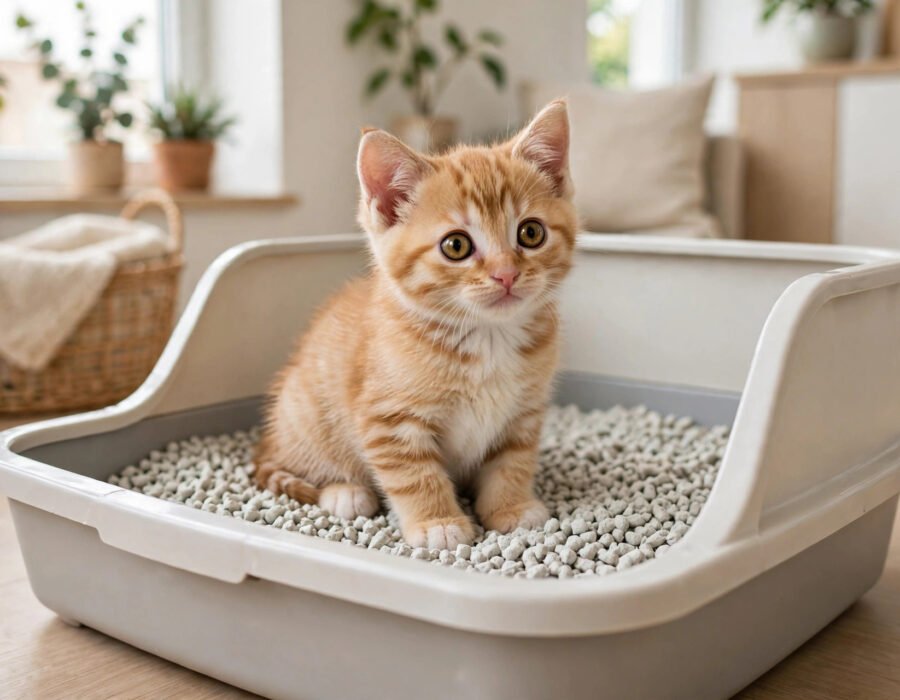
Good news first: kittens are the easiest animals on earth to litter train, because the instinct is pre-installed. Mother cats teach kittens to bury waste starting around three to four weeks old, so most kittens arrive in your home already understanding the concept — your job is just providing the right setup and a week of consistency. One week solo is a realistic timeline for most kittens over eight weeks old.
Here is the day-by-day plan, the box-and-litter setup that prevents 90 percent of problems, how to handle the inevitable accidents, and troubleshooting for the kittens who do not read the manual.
The Setup: Getting It Right on Day One
The right setup prevents most training failures. Rule: one box per cat plus one extra, even for a single kitten — start with two. Boxes should be large, uncovered (covered boxes trap odors and ambush risk), with low sides for tiny kittens. Place them in quiet, accessible, separate locations — never next to food and water, and avoid high-traffic or scary spots like next to the washing machine.
Litter choice: unscented, fine-grained clumping litter is the kitten default — most cats prefer it, and scented litters are a top aversion cause. Fill two to three inches deep and scoop daily; cats are fastidious, and a dirty box is the number-one reason for 'accidents' that are actually protests. For the first week, confine the kitten to one room with the box nearby — a whole house is too much territory for a tiny bladder and a developing map.
Days 1–2: Introduction and Observation
On arrival, place the kitten gently in the clean litter box so it knows the location and feels the texture — then let it explore. After meals, naps, and play sessions, carry the kitten to the box; these are the biological trigger moments when elimination is imminent. Most kittens will use it within hours, often on the first try, because the burying instinct does the work.
Watch and learn: note the kitten's pre-elimination signals (sniffing, circling, squatting posture) so you can redirect promptly. Reward with calm praise or a tiny treat after successful box use — positive association, not punishment, builds the habit. If the kitten eliminates elsewhere, clean it with an enzymatic cleaner (regular cleaners leave proteins the kitten can still smell, inviting repeats) and say nothing — punishment creates fear of you, not understanding of the box.
You can verify the details at ASPCA.
Days 3–5: Building the Habit
By midweek, the pattern should be emerging: the kitten heads to the box independently most of the time. Now expand territory gradually — open one new room at a time, ensuring the kitten can always find a box within a short dash. Keep the routine boring and consistent: same box locations, same litter, scooped daily. Kittens thrive on predictability; changes reset learning.
Handle the stragglers: if accidents cluster in one spot, place a second box there temporarily (location preference is real), then inch it toward the desired spot over days. If the kitten plays in the litter, it is usually curiosity or boredom — increase play sessions and the novelty fades. If digging but not eliminating, the box may be too dirty, too small, or the litter aversive — fix the setup before blaming the kitten. Most kittens are 80 to 90 percent reliable by day five.
Days 6–7: Testing and Troubleshooting
By week's end, test full-house access with supervision, keeping boxes accessible on each floor. The realistic one-week outcome: a kitten that reliably uses the box when it can reach one — the remaining failures are almost always access problems (door closed, box too far) rather than training failures. Solve with more boxes and open doors, not more training.
Troubleshoot the exceptions: persistent avoidance of one box suggests a location or cleanliness issue; spraying or marking (usually older kittens) is hormonal territory behavior — discuss spay/neuter timing with your vet, as it typically resolves marking. Straining, crying, or frequent tiny urinations are medical red flags (urinary issues can be urgent in male cats) — vet visit, not training adjustment. True litter-training failure in a healthy kitten with a proper setup is rare; when problems persist, the setup or health is the cause 95 percent of the time.
Beyond Week One: Keeping It Permanent
Maintain the system and the habit maintains itself. Scoop daily, full litter change and box wash every two to four weeks (mild soap, no strong disinfectants), and keep the box count as the cat grows. Reassess locations as the kitten's territory expands — a box that was perfectly placed for a one-room kitten may be forgotten real estate for a whole-house cat.
Life changes need box planning: moving house, new pets, new furniture arrangements — each is a reason to temporarily add a box, not a reason the cat 'forgot' training. And watch for senior changes years from now: arthritis makes high-sided boxes painful, and increased urination signals vet-check territory. Litter habits are a health dashboard as much as a training outcome — the week-one training is just the beginning of reading it.
The full background is available at Cornell University College of Veterinary Medicine.
Litter Box Problems in Multi-Cat Homes
One box per cat plus one is not a suggestion in multi-cat homes — it is the peace treaty. Cats are territorial about elimination sites, and box-guarding (one cat ambushing another at the box) is a top cause of 'accidents' that are really avoidance. Spread boxes across multiple rooms and floors so no single cat can control access, and ensure timid cats have boxes in their safe zones.
Scoop all boxes daily — waste multiplies with cats, and standards slip fast. In multi-cat homes, watch for the subtle signs: a cat waiting until the house is quiet, eliminating right outside the box (protest against conditions, not ignorance), or sudden changes in established habits (possible medical issue or social stress). Add vertical territory and resources alongside boxes — litter problems in multi-cat homes are often territory problems wearing a bathroom disguise.
For official guidance, see The Humane Society.
Want to go deeper? Check out introducing a new pet to the home and the best flooring for homes with pets next.
Yes, you can litter train a kitten in one week on your own — the burying instinct does most of the work, and your job is setup plus consistency: right boxes in the right places, unscented litter scooped daily, confinement to one room at first, redirection after meals and naps, enzymatic cleanup of accidents, and zero punishment. Most kittens are reliable within days; the rare persistent problems point to setup flaws or health issues, not training failures. Provide the right bathroom, and the kitten will use it.
Frequently Asked Questions
How long does it take to litter train a kitten?
Most kittens over eight weeks old learn within a few days to a week, since mother cats teach burying instincts from three to four weeks. One week of consistent setup and supervision is a realistic solo timeline.
Why is my kitten not using the litter box?
The most common causes: dirty box, scented or aversive litter, poor box location, too few boxes, or a medical issue. Fix the setup first — persistent problems in a healthy kitten with proper setup are rare.
Should kittens use covered or uncovered litter boxes?
Uncovered. Covered boxes trap odors, feel like ambush spots to cats, and make it harder for you to notice they need scooping. Most cats strongly prefer open boxes.
What cleaner removes cat urine smell?
Enzymatic cleaners specifically made for pet urine — they break down the proteins regular cleaners leave behind. Without enzymatic cleaning, the kitten can still smell the spot and will reuse it.