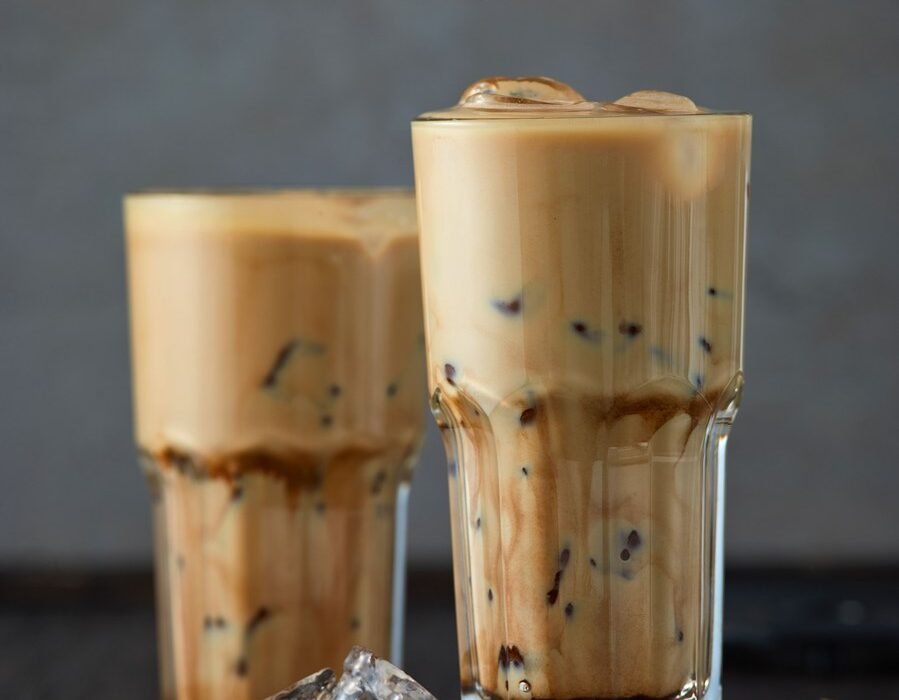
Five dollars for an iced coffee. Every day. I did the math one miserable Monday morning and realized I was spending over $1,200 a year on café iced coffee, which is when I decided to figure out how can I make iced coffee at home that tastes like a cafe. It took some experimenting — my first attempts were watery, bitter disappointments — but I eventually cracked it. The secret isn’t fancy equipment. It’s understanding that hot coffee poured over ice is fundamentally broken, and doing it differently.
Here’s the core problem with most homemade iced coffee: you brew hot coffee, pour it over ice, and the ice melts and dilutes everything into brown sadness. Cafés don’t do this (the good ones, anyway). They either brew coffee specifically designed to be served cold, or they brew it strong enough to survive the ice. Once I understood that, everything clicked.
How Can I Make Iced Coffee at Home That Tastes Like a Cafe? Three Methods
1. Cold brew (the easiest and most forgiving)
Cold brew is my daily driver and the method I recommend to everyone. Coarsely grind coffee beans (or buy pre-ground “cold brew” coarse grind), combine with cold filtered water at roughly a 1:8 ratio by weight — about 1 cup of grounds to 8 cups of water — and let it steep in the fridge for 12–18 hours. Strain through a fine-mesh sieve, then again through a paper coffee filter or cheesecloth. What you get is a smooth, naturally sweet concentrate-ish coffee with almost no bitterness or acidity.
Cold brew keeps in the fridge for up to two weeks, which means Sunday-night-you can set up coffee for the whole week in five minutes. I make a big mason jar every Sunday and I’m set. The low acidity is the real selling point — if regular coffee upsets your stomach, cold brew might be your answer. Dilute it to taste with water or milk; I do about half coffee, half oat milk over ice.
2. Japanese-style iced coffee (the fastest)
This is the café method for when you want iced coffee right now. Brew hot coffee directly over ice, but use half the water you’d normally use and replace the other half with ice in the carafe. The hot coffee melts the ice, which becomes part of the brew water — so your final ratio is correct, not diluted. Use a pour-over dripper if you have one; the result is bright, aromatic, and complex, much more like hot coffee in character than cold brew.
The key details: grind medium-fine, bloom the grounds with a little hot water for 30 seconds, then pour the rest slowly. Total brew time around 2–3 minutes. This method preserves the delicate aromatics that cold brew mutes, so if you buy nice single-origin beans, this is how to show them off cold.
3. Double-strength hot brew (the simplest)
No special gear? Brew your regular drip or French press at double strength — twice the coffee, same water — then pour over a full glass of ice. It’s not as refined as the other methods, but it’s miles better than regular-strength coffee over ice. Let the hot coffee cool for a few minutes before pouring so you don’t melt all the ice instantly.
Flavored Iced Coffees Worth Making
Once the base method is dialed in, homemade flavored iced coffees are easy and so much better than the syrupy café versions. Vanilla is the classic: add a teaspoon of real vanilla extract (or half a vanilla bean steeped in your simple syrup) per glass. For mocha, whisk a tablespoon of cocoa powder and a teaspoon of sugar into a splash of hot coffee before adding the rest cold — it dissolves completely and tastes like actual chocolate, not syrup.
My personal favorite is a pinch of flaky sea salt and a half teaspoon of brown sugar in cold brew with oat milk — the salt somehow makes the coffee taste sweeter and more complex. Cinnamon is another winner: add a cinnamon stick to your cold brew steep and remove it when you strain. And if you’re feeling fancy, a little orange zest twisted over the top of a Japanese-style iced coffee is the kind of detail that makes guests ask what your secret is.
The Details That Make It Taste Like a Café
Coffee ice cubes. This is the trick that changed everything for me. Freeze leftover coffee in an ice cube tray and use those instead of water ice. As they melt, your drink gets stronger instead of weaker. It sounds fussy; it takes 30 seconds of effort. Do it.
The milk matters. Cafés use milk with enough body to stand up to coffee. Whole milk, half-and-half, or oat milk (the barista editions, which are formulated to not separate) all work beautifully. Thin skim milk or watery almond milk can make the drink taste washed out. Sweeten while the coffee is still slightly warm if you’re using the hot-brew method — sugar dissolves poorly in cold liquid. Simple syrup (equal parts sugar and water, heated until dissolved) is the café standard because it mixes instantly into cold drinks.
Bean choice. You don’t need expensive beans, but fresh beans matter enormously. Coffee goes stale fast — buy whole beans roasted within the last month and grind before brewing if you can. For cold brew, medium to dark roasts give that chocolatey café flavor; for Japanese iced, lighter roasts shine. A $12 bag of fresh beans beats a $20 bag that’s been sitting on a shelf for six months.
Once your coffee game is strong, round out the morning routine — fix cookies that spread too thin for an afternoon treat, or plan a dinner party menu even picky eaters will love for the weekend. And if you’re curious about caffeine content and health effects, the FDA’s guide to caffeine is a straightforward read.
So how can you make iced coffee at home that tastes like a café? Stop pouring regular hot coffee over ice. Pick one method — cold brew for ease, Japanese-style for speed and brightness, double-strength for simplicity — use coffee ice cubes, choose milk with body, and use fresh beans. My $1,200-a-year habit is now about $150 in beans, and honestly, my home version is better than most of what I was buying.