Hosting a dinner party is stressful enough without worrying that half your guests will push the food around their plates. Learning how do I plan a dinner party menu for picky eaters is really about learning to cook strategically — building a menu with safe anchor dishes, customizable elements, and enough variety that everyone finds something to love. I’ve hosted picky eaters of every stripe — the no-vegetables crowd, the spice-phobes, the texture-sensitive — and the system below has never failed me.
Here’s the mindset shift that changed everything for me: stop trying to find one magical dish everyone loves. That dish doesn’t exist. Instead, build a menu where every guest can assemble a plate they’re happy with. Think of it less like a restaurant tasting menu and more like a really good buffet where you controlled all the options. The host’s job isn’t to challenge palates; it’s to make people comfortable and well-fed.
How Do I Plan a Dinner Party Menu for Picky Eaters? The Anchor Strategy
Every successful picky-eater menu needs anchor dishes — familiar, widely-loved foods that even the fussiest guest will eat. A roast chicken, a simple pasta with marinara, mashed potatoes, dinner rolls. These are your safety net. Around the anchors, you add more interesting dishes for the adventurous eaters. The picky folks fill up on anchors; the foodies explore. Everyone’s happy, nobody’s stressed.
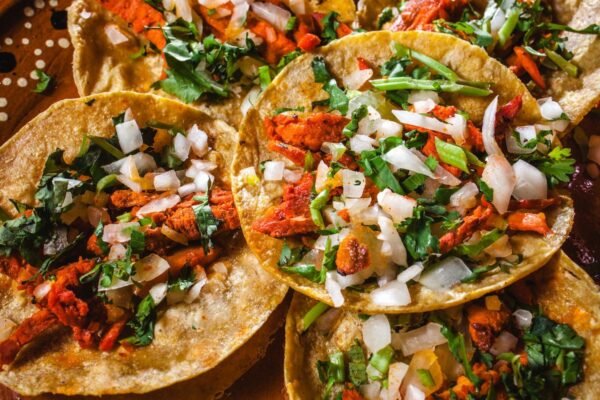
The golden rule: serve components, not compositions. A build-your-own taco bar beats pre-assembled tacos. A pasta station with two sauces beats one baked pasta. A salad bar beats a composed salad. When guests control what goes on their plate, pickiness stops being a problem — the person who hates onions simply doesn’t take onions. This approach also looks generous and fun, which is a bonus.
Keep flavors on the side. Instead of cooking everything spicy or heavily seasoned, cook the base mild and put the bold stuff — hot sauce, chili flakes, fancy mustards, dressings — on the table. This is the single easiest accommodation you can make, and it costs you nothing. The spice lovers get their heat, the sensitive palates get their comfort, and you only cooked one dish.
A sample picky-eater-proof menu
- Appetizer: a simple cheese and cracker board with fruit — universally safe, zero cooking
- Main (anchor): herb-roast chicken or baked ziti — familiar, crowd-pleasing, hard to mess up
- Main (adventurous): one more interesting dish, like a curry or glazed salmon, for the foodies
- Sides: mashed potatoes, roasted vegetables (kept simple — olive oil, salt), dinner rolls, a plain green salad with dressing on the side
- Dessert: something chocolate and something fruity — covers both camps
Intelligence Gathering (Without Being Weird About It)
A quick text to guests beforehand saves so much anxiety: “Hey, any allergies or foods you really can’t stand?” Most people will tell you honestly, and it’s far better than discovering mid-party that someone can’t eat half the menu. You’re not being a neurotic host — you’re being a thoughtful one. I do this for every dinner party now, and guests always appreciate it.
Distinguish between allergies, intolerances, and preferences. Allergies are non-negotiable — take them seriously, avoid cross-contamination, and when in doubt, ask. Preferences are flexible — that’s where the anchor strategy shines. And don’t forget the quiet picky eaters who won’t speak up; having plain options available covers them without anyone needing to announce anything.
Common things to watch for: nuts (allergy), dairy and gluten (intolerance or allergy), pork and shellfish (religious or ethical restrictions), and cilantro (tastes like soap to some people — it’s genetic). A menu built on chicken, potatoes, rice, simple vegetables, and bread navigates almost all of these safely. When in doubt, label dishes with a little card noting major ingredients — it takes two minutes and guests with restrictions will silently bless you.
Handling the Trickiest Restrictions
Some situations need extra thought. For guests with celiac disease or serious gluten intolerance, cross-contamination matters — use fresh cutting boards, clean pans, and certified gluten-free ingredients rather than just “probably fine” ones. Rice, potatoes, and corn-based dishes are naturally safe anchors. For severe nut allergies, read every label; nuts hide in pesto, some sauces, baked goods, and even certain spice blends.
Vegetarian and vegan guests are increasingly common, and the component approach handles them beautifully — just make sure at least one substantial main is meat-free rather than offering them side dishes as a meal. A hearty lentil curry, a mushroom risotto, or a big baked pasta with vegetables gives vegetarian guests a real centerpiece. For vegans, keep butter and cheese out of at least one main and one side, and put dressings and toppings on the side as usual. Nobody feels like an afterthought when the spread was designed with them in mind from the start.
Logistics That Reduce Your Stress
Choose dishes you can make ahead. A stressed, sweaty host who’s been cooking for six hours straight is not fun to be around, picky eaters or not. Roast chicken can rest. Pasta bakes reheat beautifully. Salads get assembled in ten minutes. Desserts are almost always better made ahead. I plan my parties so that in the last hour before guests arrive, I’m just reheating and plating — never actively cooking something finicky.
Have a backup plan for the truly extreme case. Keep a frozen pizza or a simple pasta and jarred sauce on standby. I’ve never needed mine, but knowing it’s there drops my hosting anxiety to zero. And honestly, if a guest ends up eating plain pasta with butter while everyone else has the full spread, that’s a complete success — they’re fed, comfortable, and having a good time, which was the whole point.
Drinks deserve the same inclusive thinking: offer at least one non-alcoholic option that isn’t an afterthought. Sparkling water with citrus, a simple punch, or good old sweet tea. And for the cooking itself, make sure your pantry is ready — stocking the best spices every beginner cook should own covers your seasoning bases, and knowing how to tell if eggs are still good matters when you’re cooking for a crowd. The FoodSafety.gov site has clear charts on safe cooking temperatures worth bookmarking before any dinner party.
So how do you plan a dinner party menu for picky eaters? Lead with familiar anchors, serve components instead of compositions, keep bold flavors on the side, ask about restrictions upfront, and cook ahead so you’re relaxed when the doorbell rings. Do that, and the pickiest eater at your table will leave happy — and probably ask when you’re hosting again.