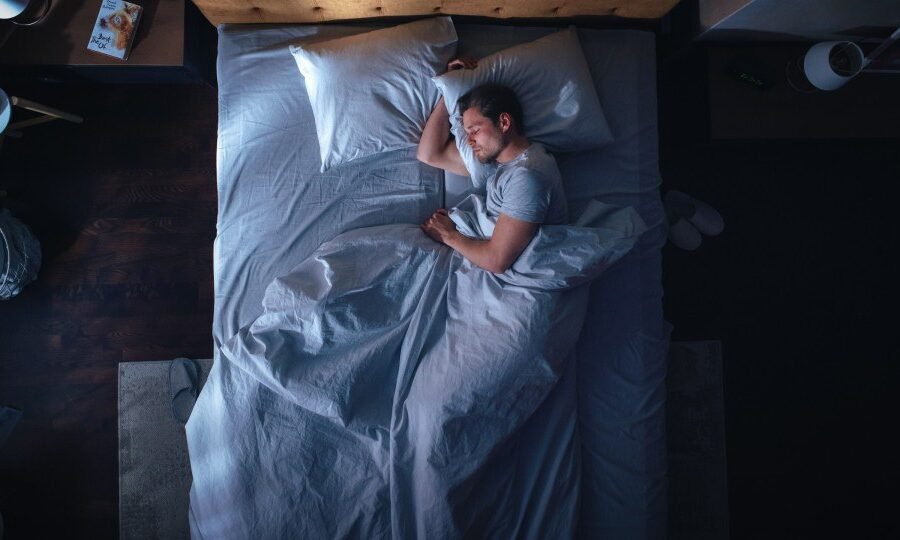
Your partner elbows you at 2 AM: “You’re doing it again.” You wake up with a dry mouth, a headache, and the vague feeling you didn’t really sleep. If you’re asking how to tell if your snoring is a health problem, here’s the key distinction: occasional light snoring is just noise. But loud, nightly snoring — especially with certain companions — is one of the most underdiagnosed health warnings in medicine. It can signal sleep apnea, which quietly damages your heart, brain, and metabolism night after night.
Normal Snoring vs. Warning Signs
Probably benign: occasional, quiet snoring — when congested, after alcohol, or sleeping on your back. You feel rested. Your partner isn’t plotting against you.
Get evaluated if you have snoring PLUS any of these:
- Loud enough to hear through walls or your partner moves rooms
- Gasping, choking, or witnessed pauses in breathing — the hallmark of apnea; ask your partner specifically
- Daytime exhaustion despite 7+ hours in bed — the defining symptom
- Morning headaches or dry mouth (see morning dry mouth causes)
- Difficulty concentrating, memory fog, irritability
- High blood pressure that’s hard to control — apnea is a common hidden cause
- Falling asleep inappropriately — in meetings, while driving (dangerous — address urgently)
The combination of loud snoring + daytime sleepiness + witnessed apneas is the classic triad. Two out of three warrants a sleep study.
Why Sleep Apnea Matters (It’s Not Just Noise)
Obstructive sleep apnea means your airway collapses repeatedly during sleep — dozens to hundreds of times nightly. Each event drops blood oxygen and spikes stress hormones. Untreated, it’s linked to:
- High blood pressure, heart attack, and stroke
- Type 2 diabetes and metabolic dysfunction
- Atrial fibrillation and heart failure
- Daytime car accidents (drowsy driving rivals drunk driving)
- Depression, cognitive decline, and persistent fatigue no amount of coffee fixes
An estimated 80% of moderate-to-severe cases are undiagnosed. If this list looks familiar, you’re not “just a snorer.”
What Reduces Snoring (And What Doesn’t)
- Side sleeping — back sleeping lets the tongue collapse backward; a body pillow trains the position
- Weight loss — neck fat narrows the airway; even modest loss helps significantly
- Cut evening alcohol — relaxes throat muscles and worsens apnea dramatically
- Treat nasal congestion — saline rinse, nasal strips, allergy management
- Raise the head of the bed slightly
- Mouth tape / nasal dilators: help simple snoring; do NOT treat apnea — don’t let them delay evaluation
Getting Diagnosed and Treated
A sleep study (polysomnography) is the gold standard — now often done at home with a portable monitor. If apnea is confirmed:
- CPAP: the gold standard; highly effective when used. Modern machines are quiet and the masks far better than the horror stories suggest. Most users feel transformed within weeks.
- Oral appliances: dentist-fitted devices that advance the jaw — good for mild-moderate apnea or CPAP-intolerant patients.
- Positional therapy, weight loss: meaningful for mild cases.
- Surgery: last resort for specific anatomical issues.
For the clinical picture, the medical overview of sleep apnea covers types and treatments; the Sleep Foundation has practical CPAP guides.
CPAP: What It’s Actually Like
The #1 reason people avoid sleep studies is CPAP dread — visions of Darth Vader masks and sleepless nights. The reality in 2026 is very different from the horror stories.
Modern machines are quiet — around 26 decibels, quieter than a whisper. Your partner will hear less than your current snoring (which runs 50–90 decibels — literally 100x louder in perceived terms). Most partners report sleeping better once CPAP starts.
Masks are far better than they were. Nasal pillows (small cushions at the nostrils) are the most popular now — minimal, light, and compatible with side sleeping and glasses. Full-face masks exist for mouth breathers. Most providers let you try several styles in the first month.
The adjustment period is real but short. Most users adapt within 1–3 weeks. Tips that help: wear the mask while watching TV for a few evenings before sleeping in it, use the ramp feature (starts at low pressure), try a heated humidifier attachment (prevents dryness), and give it 30 days before judging.
The payoff: treated patients consistently describe it as transformative — morning headaches gone, daytime energy restored, blood pressure dropping, partners returning to the bedroom. The compliance data tells the story: people who push through the first month rarely quit, because the difference is that dramatic.
If CPAP truly fails: oral appliances (dentist-fitted, advancing the jaw) work well for mild-to-moderate apnea. Positional therapy, weight loss, and (for specific anatomy) surgery are backups. And new hypoglossal nerve stimulators (implanted devices) help select patients. Options exist at every level of severity — the only wrong choice is untreated apnea.
Recording Your Sleep: How to Gather Real Evidence
“You snore” is vague. Here’s how to collect data your doctor can actually use.
Snore-recording apps: SnoreLab and similar apps record audio all night, score your snoring intensity, and — critically — flag suspected apneas (silences followed by gasps). Two weeks of data reveals patterns: positional? alcohol-linked? worsening? Bring the charts to your appointment; doctors love objective data.
What to log alongside: bedtime, alcohol intake, sleep position (ask your partner or check the app’s movement data), and morning symptoms (headache? dry mouth? groggy despite 8 hours?). The correlations often diagnose before the doctor does.
Video (with consent): a phone recording from across the room captures restlessness, mouth-breathing, and gasping episodes that audio misses. Partners find this more convincing than any description.
The Epworth Sleepiness Scale: the standard 8-question daytime sleepiness questionnaire — free online, takes 2 minutes, and gives you a clinical score to bring in. A score above 10 supports further investigation.
Two weeks of app data plus a symptom log turns “I think I snore” into a case file. Specialists take documented patterns far more seriously than vague complaints — and you’ll get better answers faster.
Key Takeaways
- Occasional quiet snoring is benign; loud nightly snoring with daytime exhaustion needs evaluation.
- The triad: loud snoring + witnessed breathing pauses + daytime sleepiness = get a sleep study.
- Untreated apnea raises risk of hypertension, heart disease, stroke, and diabetes.
- Side sleeping, weight loss, less alcohol, and congestion treatment reduce simple snoring.
- CPAP is highly effective — most treated patients wish they’d started years earlier.
The Bottom Line
How to tell if your snoring is a health problem: noise alone is just noise, but snoring plus exhaustion, gasping, or morning headaches is a medical issue wearing a punchline. A sleep study is simple, often home-based, and the treatment transforms lives. Don’t spend years exhausted because snoring seemed too silly to mention to your doctor.