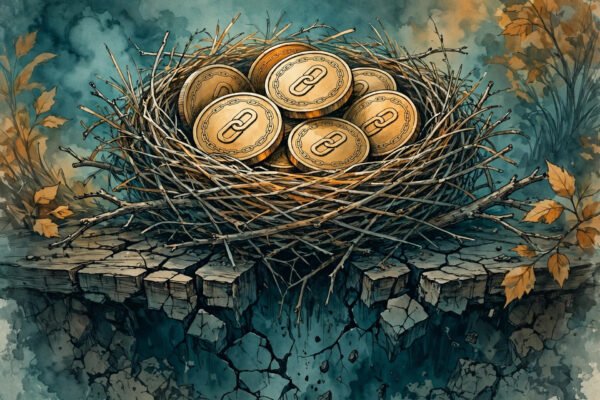
For the first time in art history, a painter can sell a piece in 2026 and still get paid when it resells in 2036 — automatically, without lawyers, galleries, or chasing anyone. That’s the promise of NFT royalties: a percentage of every secondary sale, coded into the token itself, flowing back to the creator forever. For digital artists, it’s the most radical change to art economics in a century.
It’s also widely misunderstood. Royalties aren’t guaranteed, they aren’t universal, and the fine print has shifted dramatically as marketplaces changed their rules. Here’s how NFT royalties actually work for a working digital artist — the mechanics, the money, and the traps.
What an NFT Royalty Is, Mechanically
When you mint an NFT — publishing your artwork as a token on a blockchain — you can specify a royalty percentage, typically 5–10%. Every time that token sells on a participating marketplace, the smart contract automatically routes that percentage of the sale price to your wallet. Sell a piece for $500 with a 10% royalty, and when the collector later resells it for $5,000, you receive $500 without lifting a finger.
This is enforced by code, not by contract law. Traditional artists have occasionally won resale royalties through legislation (the EU’s droit de suite, for example), but enforcement meant lawsuits. NFT royalties execute automatically at the moment of sale — when the marketplace honors them.
The Catch: “When the Marketplace Honors Them”
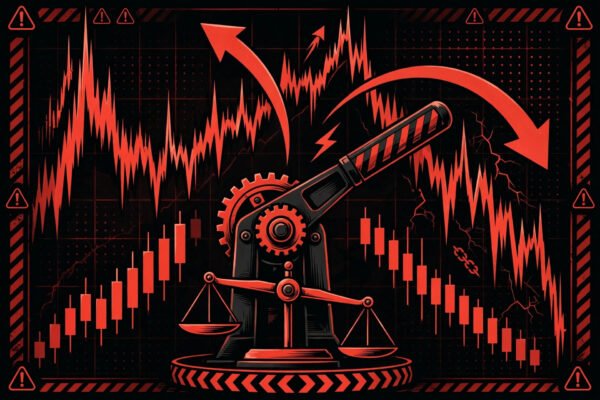
Here’s the part that changed everything. Royalties aren’t enforced by the blockchain itself — they’re enforced by each marketplace’s software. In 2022–2023, several major marketplaces made royalties optional to attract traders, letting buyers set them to zero. Overnight, artists’ royalty income on those platforms collapsed.
The ecosystem has partially corrected since: many marketplaces restored enforced royalties, and newer token standards can technically restrict transfers to royalty-respecting marketplaces. But the lesson stands — your royalty is only as strong as the marketplace where the resale happens. Before minting, research which marketplaces currently enforce creator royalties, and consider it a deciding factor in where you list. Diversifying across royalty-respecting platforms is now basic career hygiene for NFT artists.
Setting Your Royalty Rate: The Strategy
Most artists set 5–10%. Higher isn’t always better: a 15% royalty on a piece that never resells earns you nothing, while a 7.5% royalty on a piece that trades hands twenty times compounds beautifully. Consider your collector base — flippers who trade actively generate more royalty events than long-term holders, so liquid collections benefit from moderate rates that don’t discourage trading.
Also factor in marketplace fees (typically 2–2.5%) and blockchain gas costs on minting. Your royalty math should be net of the whole stack. And remember that royalties apply to the sale price in crypto — if you price in ETH and ETH doubles, your royalty’s dollar value doubles too, with no extra effort.
Royalties vs. Copyright: Don’t Confuse Them
An NFT royalty has nothing to do with copyright law. Minting an NFT of your art doesn’t transfer your copyright unless you explicitly say so, and buying an NFT doesn’t give the collector copyright either — they own the token, not the underlying rights. This confuses nearly everyone at first, including many artists.
Protect the underlying work like any other intellectual property: understand how to protect your creative work before launching, register copyrights for important pieces with the U.S. Copyright Office, and write clear license terms for what collectors can actually do with the art (display it? merchandise it?). The royalty handles resale economics; copyright handles everything else. If you use AI tools in your creative process, also clarify whether you own what an AI tool creates for you — it affects what you can legally mint.
The Money Reality: What Artists Actually Earn
Let’s be honest about the distribution. A small fraction of NFT artists earn life-changing royalties; most earn modest supplemental income; many earn nothing because their work never resells. Royalties reward artists whose work has active secondary markets — which correlates with community building, consistent output, and marketing, not just artistic merit.
Price your primary sales to survive on their own. Treat royalties as upside, not income you budget around. And when pricing your work generally — NFTs or commissions — learn how to price creative work as a freelancer, because the artists who thrive treat their practice as a business with or without the blockchain.
One more income nuance: royalties are typically calculated on the sale price excluding the marketplace’s own fee, and paid in the cryptocurrency of the sale — usually ETH or SOL. That means your royalty revenue inherits crypto’s volatility: a 1 ETH royalty is worth whatever ETH is worth when you receive it, and converting to dollars is itself a taxable event. Many artists sweep royalties into stablecoins periodically to lock in value, treating the royalty wallet as a business account with its own simple treasury policy.
Taxes: The Royalty Income No One Mentions
NFT royalty payments are taxable income in the U.S., valued in dollars when received. If you’re doing this regularly, you’re likely self-employed for tax purposes — meaning quarterly estimated payments and self-employment tax. Minting costs may be deductible as business expenses. The IRS virtual currency FAQ covers the digital-asset side, but an NFT art business straddles crypto tax and small-business tax simultaneously — worth professional advice once income is real.
Protecting Yourself From Royalty Scams
Where money flows automatically, scammers follow. Fake marketplaces promise “guaranteed royalties” to harvest your wallet connection. Phishing emails impersonate marketplaces announcing “royalty policy updates” with malicious links. Never connect your wallet through a link — navigate to marketplaces directly. And be skeptical of anyone offering to “boost your royalty earnings” for an upfront fee; the SEC’s warnings about crypto investment fraud at the SEC’s official site apply to the NFT space in full.
Conclusion
NFT royalties give digital artists something unprecedented: automatic, perpetual participation in their work’s resale value. But they’re a marketplace feature, not a law of nature — only as reliable as the platforms that enforce them. Set a sensible rate, list where royalties are respected, protect your copyright separately, treat royalty income as bonus rather than budget, and handle the taxes like the business it is. Done right, royalties turn every collector into a long-term revenue partner. That’s a relationship no gallery ever offered.
Frequently Asked Questions
What percentage should I set for NFT royalties?
Most artists choose 5–10%. Higher rates can discourage resales (which generate the royalties), so moderate rates on actively traded work usually earn more over time than high rates on illiquid pieces.
Do all NFT marketplaces pay royalties?
No. Royalty enforcement is per-marketplace, and some platforms made them optional. Always check a marketplace’s current royalty policy before minting or listing there.
Do I keep copyright when I sell an NFT?
Yes, unless you explicitly transfer it. The buyer owns the token, not the copyright. Spell out usage rights in your terms so collectors know what they can do with the art.
Are NFT royalties taxable?
Yes — they’re ordinary income valued in dollars at receipt, and regular royalty earners are generally self-employed for tax purposes. Track every payout; the Consumer Financial Protection Bureau’s Ask CFPB resources can help you find trustworthy tax guidance.