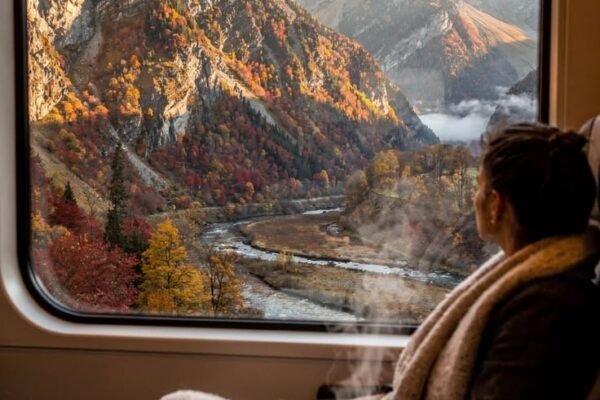
Asking what are the best national parks to visit in the fall is asking about America’s most spectacular season. I’ve watched sunrise ignite the aspens in Rocky Mountain National Park and walked through Great Smoky Mountains valleys drowned in red and gold. Fall in the national parks delivers thinner crowds, perfect hiking weather, active wildlife, and scenery that summer visitors never see.
Timing is everything: foliage peaks shift by latitude and elevation. Here’s where to go, when, and how to do it right.
The top 5 national parks to visit in the fall
1. Acadia (Maine): the foliage capital. Peak mid-October, with red maples against rocky coastlines. Cadillac Mountain sunrise above the color is unforgettable. Book lodging months ahead; Bar Harbor fills completely. 2. Great Smoky Mountains (Tennessee/North Carolina): America’s most visited park earns it in fall. Over 100 tree species create a staggered color show from late September (high elevations) through early November (valleys). Synchronous fireflies are gone, but elk bugling in Cataloochee Valley is fall’s soundtrack.
3. Zion (Utah): cottonwoods and maples turn gold against red cliffs in late October-November. Crowds thin dramatically after summer, temperatures hit the perfect 60s-70s, and the Narrows are still hikeable. 4. Rocky Mountain (Colorado): aspens ignite gold in late September, elk rut echoes through valleys, and Trail Ridge Road usually stays open into October. 5. Shenandoah (Virginia): 105 miles of Skyline Drive through peak color in mid-late October, an easy trip from East Coast cities.
Parks 6-10: more fall spectaculars
6. Grand Teton (Wyoming): aspens and cottonwoods gold against the Tetons’ granite, elk and moose active, far fewer crowds than summer. Late September-early October. 7. Yosemite (California): maples and oaks color the valley in late October-November, waterfalls are low but crowds are gone and the light is gorgeous. 8. Guadalupe Mountains (Texas): the hidden gem; bigtooth maples flame in McKittrick Canyon late October-November, a secret most Texans don’t even know.
9. Cuyahoga Valley (Ohio): underrated Midwest color along the river and canal towpath, peak mid-October, easy access from Cleveland. 10. North Cascades (Washington): larches turn gold in late September-early October, a phenomenon most visitors miss entirely. Check the National Park Service fall foliage reports for current conditions before finalizing dates.
- Acadia: mid-October peak, coastal foliage. Book months ahead.
- Smokies: late Sep-early Nov staggered color, elk bugling.
- Zion: late Oct-Nov, gold cottonwoods, thin crowds.
- Rocky Mountain: late Sep aspens and elk rut.
- Shenandoah: mid-late Oct, 105 miles of Skyline Drive color.
Timing the color: peak foliage by region
Foliage follows a rough schedule: high elevations and northern latitudes peak first. Late September: Rockies high country, North Cascades larches. Early-mid October: New England, Upper Midwest, mountain West valleys. Mid-late October: Mid-Atlantic, Smokies high elevations, Utah. Early November: Smokies valleys, Texas, Deep South. Elevation matters as much as latitude; in the Smokies, color descends 1,000 feet roughly every week.
Peak lasts 1-2 weeks per location, and weather shifts it yearly. Use foliage trackers and park webcams in the weeks before your trip. Build flexibility: arriving a few days early or late still delivers 80 percent of the show. And remember that fall city trips pair beautifully with park visits; combine Shenandoah with DC or the Smokies with Asheville.
Fall advantages beyond the leaves
Crowds thin dramatically after Labor Day; popular trails and viewpoints become pleasant again. Temperatures hit hiking perfection: 50s-70s in most parks, ideal for exertion. Wildlife is active: elk rutting, bears hyperphagia-feeding before denning, birds migrating. Photographers get the year’s best light: lower sun angles, misty mornings, golden afternoons.
Lodging prices drop from summer peaks, and reservations become findable. Campgrounds empty out; the solitude seekers’ season begins. Some facilities close for the season, so check operating dates, but the trade-off favors fall overwhelmingly. This is the connoisseur’s season in the parks.
Practical tips for fall park trips
Pack layers: fall mountain weather swings 40 degrees daily, and snow is possible at elevation by October. Mornings start near freezing, afternoons hit 65; the layering system handles it. Check road statuses: high passes close with early snow, sometimes by mid-October. Have backup plans for weather days: visitor centers, nearby towns, scenic drives that work in any conditions.
Book lodging early for famous foliage parks (Acadia, Smokies) and wing it for lesser-known ones. Arrive at popular viewpoints for sunrise; the light is best and crowds smallest. Carry the Recreation.gov app for campsite availability. And consider fall road trip routes that link multiple parks; the Blue Ridge Parkway to the Smokies is a classic combination.
Wildlife and safety in autumn parks
Fall is prime wildlife season but demands respect. Elk in rut are aggressive; maintain 100+ yards distance, especially in Rocky Mountain and Cataloochee. Bears are eating constantly before denning; store food properly and carry bear spray in grizzly country. Moose are enormous and unpredictable; never approach. Dawn and dusk offer the best viewing with proper distance and binoculars.
Shorter days mean planning hikes with generous turnaround times; carry headlamps always. Hunting seasons overlap in some park-adjacent lands; wear bright colors on multi-use trails. And check fire restrictions; fall can bring fire season’s tail end in the West. Wildlife watching is fall’s bonus gift; enjoy it with the caution these magnificent animals deserve.
Consider a fall foliage road trip linking multiple parks for the ultimate autumn experience. The Blue Ridge Parkway to Great Smoky Mountains route strings together weeks of peak color across elevations, while a New England loop hits Acadia, White Mountains, and Green Mountains in one trip. These multi-park journeys maximize the color window and create the kind of trip you’ll talk about for years. Fall is fleeting; chase it across the map while you can.
The bottom line
The best national parks to visit in the fall are Acadia, the Smokies, Zion, Rocky Mountain, and Shenandoah, with timing from late September (high country) through early November (southern valleys). Go for the color, stay for the thin crowds, perfect hiking weather, and active wildlife. Book famous parks early, layer for mountain weather, and enjoy the connoisseur’s season.