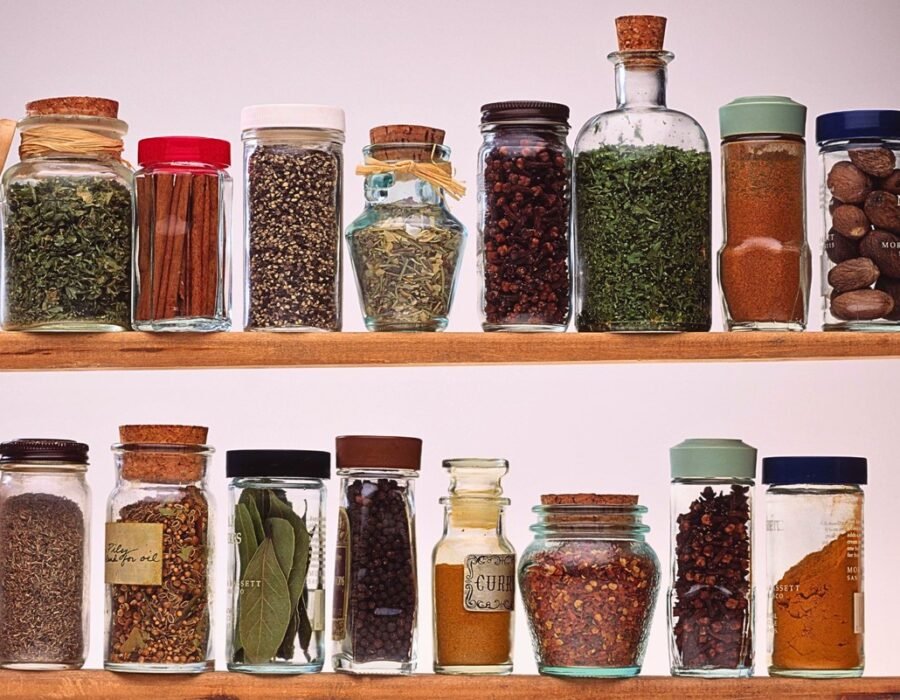
Walk into any spice aisle and you’ll face a wall of a hundred little jars, half of which you’ll use once and forget. Figuring out what are the best spices every beginner cook should own is really about identifying the small set of workhorses that flavor 90% of home cooking. I’ve been cooking for years, and I reach for the same dozen spices constantly while the exotic stuff gathers dust. Here’s the starter collection that will actually get used — plus how to use each one.
Before the list, two rules that matter more than which spices you buy. First, buy small quantities. Ground spices lose their punch within 6–12 months, so that giant warehouse-store jar is a false economy unless you cook for an army. Small jars you actually finish are better than big jars that go stale. Second, store them right: cool, dark, dry — not above the stove, where heat and steam kill flavor fast. I learned this the expensive way with a whole rack of faded, dusty-tasting spices.
What Are the Best Spices Every Beginner Cook Should Own? The Essential Twelve
The absolute must-haves
- Kosher salt: not technically a spice, but the single most important seasoning in your kitchen. If your food tastes flat, it usually needs salt, not more spices. I use Diamond Crystal for everything.
- Black peppercorns (whole, with a grinder): pre-ground pepper is a pale shadow of the real thing. Freshly cracked pepper is floral, pungent, and transformative. This is the highest-impact $10 upgrade in cooking.
- Garlic powder: different from fresh garlic, not a replacement — it’s sweeter, mellower, and distributes evenly in rubs and coatings. Essential for weeknight cooking.
- Onion powder: garlic powder’s partner. Together they form the savory backbone of countless dishes, from meatloaf to roasted vegetables.
- Paprika (sweet): adds gorgeous color and mild, sweet-pepper flavor. Great on chicken, potatoes, eggs, and in rubs. Smoked paprika is a separate purchase worth making later.
- Cumin (ground): warm, earthy, essential for tacos, chili, curries, and Middle Eastern dishes. Toast it in a dry pan for 30 seconds to wake it up dramatically.
The second tier (buy these next)
- Oregano (dried): the backbone of Italian-American cooking — pizza, pasta sauce, Greek salads. Dried oregano is actually more potent than fresh for cooked dishes.
- Chili powder: a blend (not pure ground chiles) that gives you instant chili, taco seasoning, and Southwestern flavor. Check the heat level — blends vary.
- Cinnamon (ground): not just for baking. A pinch in chili, curries, or roasted sweet potatoes adds mysterious warmth people can’t identify but love.
- Bay leaves: for soups, stews, and braises. They add a subtle background depth. Remove before serving — they don’t soften and they’re unpleasant to bite.
- Red pepper flakes: instant, controllable heat for pasta, pizza, stir-fries, and roasted vegetables. A pinch at a time.
- Italian seasoning: I know, it’s a blend, but for a beginner it’s training wheels that work — a solid all-purpose herb mix for quick seasoning.
How to Actually Use Them
Owning spices and using them well are different skills. The biggest beginner mistake is under-seasoning from fear — then concluding the spice “doesn’t do much.” Be bolder than feels comfortable: most home cooks use about half the seasoning a dish actually needs. Season in layers (a little at the start, more toward the end), and taste as you go. Your tongue is the only measuring tool that matters.
Blooming is the technique that separates decent cooking from great cooking: heat whole or ground spices in oil or butter for 30–60 seconds before adding other ingredients. This releases fat-soluble flavor compounds and transforms raw, dusty-tasting spices into something rich and aromatic. Try blooming cumin and paprika in oil before adding onions for chili — the difference is startling. Just don’t walk away; bloomed spices go from perfect to burnt in seconds.
For dried herbs like oregano, crush them between your palms as you add them — this breaks the cell walls and releases more flavor. Add delicate dried herbs in the last 15 minutes of cooking; add robust spices like cumin and paprika early so they have time to meld. Bay leaves and other whole spices go in early and come out before serving.
Spice Blends Worth Buying (and One to Make)
While I generally favor individual spices, a few blends earn their shelf space. Taco seasoning, Cajun seasoning, and garam masala are all blends where the proportions matter and getting them right from scratch takes experience. Check ingredient labels though — cheap blends bulk up with salt and anti-caking agents, so compare the spice-to-salt ratio. The good ones list actual spices first.
But here’s one blend worth making yourself: an all-purpose house seasoning. Mix 2 tablespoons each of garlic powder, onion powder, and paprika with 1 tablespoon each of black pepper, dried thyme, and dried oregano, plus 1 teaspoon of cayenne. Store it in a jar and use it on everything — chicken, roasted vegetables, potatoes, even popcorn. Having one shaker that makes anything taste good is the ultimate beginner cheat code, and you’ll use it constantly while you’re learning individual spices.
Growing Your Collection (Slowly)
Once the basics are second nature, expand based on what you actually cook. Love Indian food? Add turmeric, coriander, garam masala, and cardamom. Into baking? Nutmeg, cloves, ginger, allspice. Mexican beyond tacos? Mexican oregano, ancho chile powder. Let your cooking direct your purchases, not the other way around — buy the spice when you have three recipes that need it, not when it looks interesting on the shelf.
Whole spices last 2–3 years versus 6–12 months for ground, so consider a small spice grinder (or a dedicated coffee grinder) as your next upgrade. Freshly ground cumin, coriander, and black pepper are so much more potent that you’ll use less. And when spices do go stale, don’t toss them guiltily — simmer them in water on the stove for a free air freshener, or use them in a homemade simmer pot.
With your spice rack sorted, put it to work: you’ll need these for everyday egg dishes and for smoothies that actually stay mixed (cinnamon is a smoothie secret weapon). If you’re curious about the health claims around spices like turmeric, the National Center for Complementary and Integrative Health has evidence-based summaries worth reading.
So what are the best spices every beginner cook should own? Start with salt, pepper, garlic powder, onion powder, paprika, and cumin — then add oregano, chili powder, cinnamon, bay leaves, red pepper flakes, and Italian seasoning. Buy small, store them away from heat, season boldly, and bloom them in fat. That dozen jars will carry you through years of genuinely good cooking.