You’ve tried the diets. Keto, intermittent fasting, juice cleanses, the one where you only eat cabbage. Each worked briefly, then the weight came back — often with interest. You’re not alone: 95% of diets fail long-term, not from lack of willpower but because restriction is unsustainable by design. So what’s the healthiest way to lose weight without dieting? It’s not a trick or a hack. It’s a fundamentally different approach: changing your habits and environment so that healthy weight becomes the natural outcome, not a daily battle.
Let me define “without dieting” clearly: no forbidden foods, no calorie counting (unless you enjoy it), no 30-day challenges, no “good” versus “bad” foods. Instead, evidence-based habit changes that reduce your calorie intake naturally, increase your energy expenditure enjoyably, and — critically — are sustainable for years. This is slower than crash diets and infinitely more effective. The goal isn’t losing 20 pounds by summer; it’s weighing less next year than this year, and keeping it that way.
The Healthiest Way to Lose Weight Without Dieting: The Core Habits
1. Eat more slowly (the highest-ROI habit). It takes ~20 minutes for fullness signals to reach your brain. Fast eaters consistently overeat before their body registers satisfaction. Practical fixes: put your fork down between bites, chew thoroughly, avoid eating while distracted (screens, driving). Studies show slower eaters consume significantly fewer calories without feeling deprived — you’re not eating less food, you’re giving your body time to tell you it’s enough.
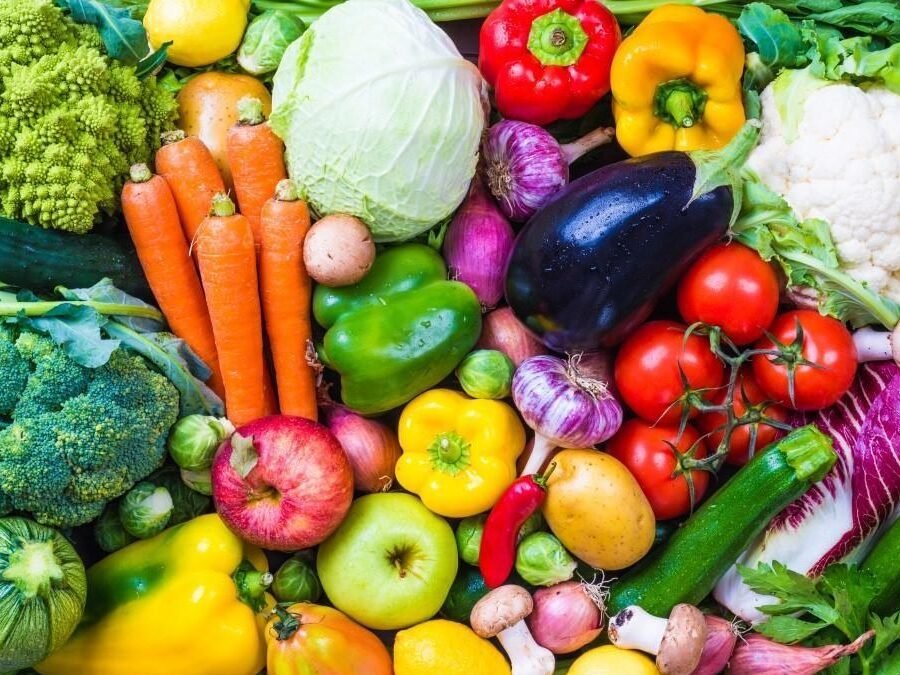
2. Prioritize protein and fiber. Not as a “diet” but as a plate-composition shift: protein at every meal (eggs, Greek yogurt, chicken, fish, beans, lentils), vegetables taking up half your plate, whole grains over refined. Protein and fiber increase satiety dramatically — you feel full on fewer calories without trying. This single shift does more than most diet plans.
3. Redesign your environment. Willpower is unreliable; environments are persistent. Keep tempting foods out of the house (you can’t eat what isn’t there), put healthy foods visible and accessible (fruit bowl on counter, not cookies), use smaller plates (proven to reduce intake), and don’t grocery shop hungry. You’re not restricting — you’re making the healthy choice the easy choice.
4. Fix your sleep. Poor sleep disrupts hunger hormones (ghrelin up, leptin down), increasing appetite 15-25% the next day — specifically for high-calorie foods. Consistently sleeping 7-8 hours is a weight management intervention as powerful as any diet change. Our sleep guide covers the how.
5. Move more (enjoyably). Not punishing workouts — sustainable activity you don’t hate. Daily walks (the most underrated fat-loss tool), active hobbies, taking stairs, walking meetings. NEAT (non-exercise activity thermogenesis) — the calories burned living actively — often exceeds formal exercise for total daily burn. Our exercise starter guide provides the safe on-ramp.
6. Drink your calories less. Sugary drinks, fancy coffees, alcohol — liquid calories don’t satisfy hunger but add up enormously. Switching to water, black coffee, or unsweetened tea is often the single biggest calorie reduction available. (Our hydration guide covers optimal fluid intake.)
7. Manage stress without food. Stress eating is physiological (cortisol drives cravings for high-calorie foods), not weakness. Build non-food stress responses: walking, breathing exercises, calling a friend. Our stress management guide provides the toolkit.
What to Expect (Realistic Timelines)
Healthy, sustainable weight loss is 1-2 pounds per week — often slower at first as habits establish. This feels frustratingly slow compared to diet promises, but do the math: 1 pound weekly is 52 pounds yearly. And unlike crash diets, habit-based loss stays off — you’re not “going off” anything because you never “went on” anything. Expect plateaus (normal — your body adapts; adjust habits slightly and continue), and measure beyond the scale: energy levels, how clothes fit, blood pressure, blood sugar. The scale is one metric, not the verdict.
Be wary of anyone selling rapid transformations — the weight loss industry profits from the cycle of hope and regain. Sustainable change is slower and less dramatic than before-and-after photos, but it’s real and it lasts. If you have significant weight to lose or underlying health conditions, consider working with a registered dietitian (not a “nutrition coach” — the credential matters) who can personalize guidance. For evidence-based nutrition information free from commercial interests, the USDA’s MyPlate and the CDC’s healthy weight resources are trustworthy starting points.
A final thought on mindset: stop thinking of this as a weight loss project with an end date, and start thinking of it as how you live now. The habits above aren’t a program you complete — they’re just… how you eat, move, and sleep as a person who maintains a healthy weight. That identity shift matters more than any technique: “I’m someone who eats slowly and walks daily” sustains itself; “I’m on a plan until I hit my goal weight” ends, and the weight returns. Every meal is a small vote for the person you’re becoming. You don’t need to vote perfectly — just more often than not, consistently, for a long time. The compounding effect of small daily votes is extraordinary: a year from now, you won’t recognize your habits, your energy, or your reflection. And you’ll never need another diet again.
Remember: you’re playing a long game, and the scoreboard is your life, not a number. The habits above compound quietly — better energy this month, looser clothes next quarter, transformed health markers by next year. Trust the process, especially when the scale moves slowly. Slow is smooth, and smooth is permanent.
The Bottom Line
The healthiest way to lose weight without dieting: eat slowly, prioritize protein and fiber, redesign your food environment, sleep 7-8 hours, move enjoyably every day, cut liquid calories, and manage stress without food. No forbidden foods, no counting, no 30-day sprints — just sustainable habits that make healthy weight the natural outcome. Expect 1-2 pounds weekly, measure beyond the scale, and work with a registered dietitian if you need personalization. This approach is slower than diets and more effective than diets — because it never ends. You’re not losing weight for summer; you’re building the eating and living patterns of someone who maintains a healthy weight effortlessly. Start with one habit this week — eating slowly is the best first move. The rest follows.